Castilla y León
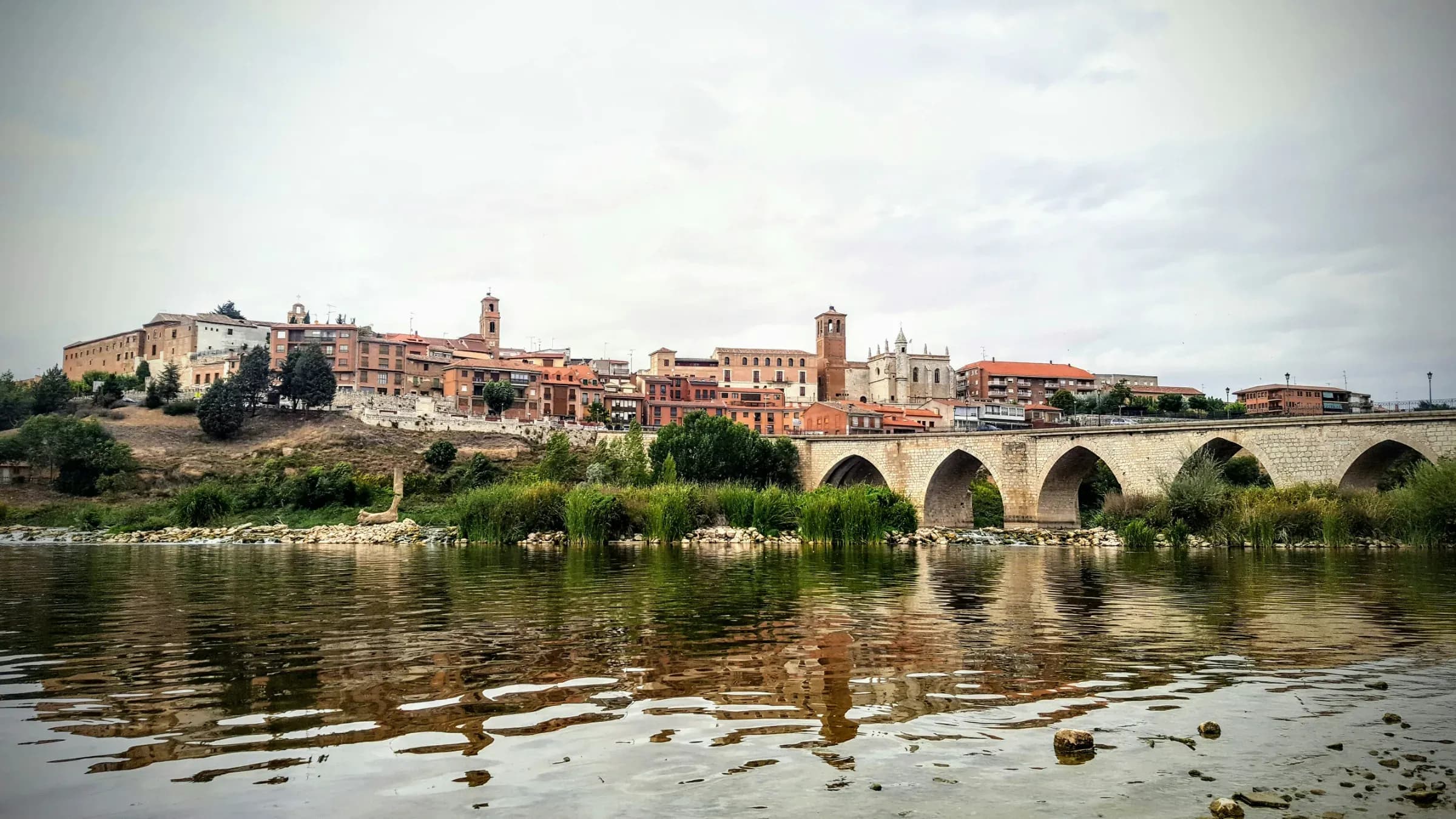
Castilla y León: Spain’s High Plateau of Wine
1. Overview
Castilla y León is Spain’s largest wine region, covering much of the northern central plateau.
It stretches along the Duero River, linking famous wine areas such as Ribera del Duero, Rueda, Toro, Cigales, and Bierzo.
The region’s vineyards lie mostly between 650 and 1,000 metres above sea level — among the highest in Europe.
This altitude gives hot days and cool nights, creating wines that are ripe but fresh.
Summers are dry, winters cold, and rainfall is limited (300–600 mm).
Here, Tempranillo dominates the reds, Verdejo rules the whites, and Mencía adds a fresher, more Atlantic style in the northwest.
2. Climate and Landscape
Castilla y León sits on the Meseta Central, a vast, sunlit plateau surrounded by mountains.
The Duero River runs west through the heart of the region, shaping its best vineyard zones.
The climate is continental, with sharp seasonal contrast:
- Hot summers, often above 35 °C
- Cool nights and cold winters
- Soils of clay, limestone, sand, gravel, and, in Bierzo, slate and schist
These conditions produce concentrated grapes with thick skins, high colour, and firm tannins.
3. Grape Varieties
| Grape | Colour | Key Regions | Typical Style |
|---|---|---|---|
| Tempranillo (Tinto Fino / Tinta de Toro) | Black | Ribera del Duero, Toro, Cigales | Deep colour, dark fruit, spice; structured and ageworthy |
| Garnacha Tinta | Black | Toro, Cigales | Juicy red fruit, spice, warmth; adds suppleness |
| Mencía | Black | Bierzo | Medium body, floral, mineral; fine tannins and freshness |
| Verdejo | White | Rueda | Aromatic, citrus and fennel notes; crisp or textured |
| Godello | White | Bierzo | Pear and quince, saline finish, creamy texture |
| Albillo Mayor / Real | White | Cigales, parts of Ribera | Pear, almond, waxy texture |
| Sauvignon Blanc | White | Rueda | Zesty, tropical and herbaceous; blends with Verdejo |
4. Regional Profiles
Rueda – The Heart of Verdejo
Rueda lies between 700 and 850 m across Valladolid, Segovia, and Ávila.
Its sandy-gravel soils are perfect for Verdejo, which makes about 88% of its white wines.
Most wines are fermented in stainless steel for freshness, while top cuvées age on lees or in oak for texture.
Flavours: citrus, melon, fennel, almond.
New styles include barrel-aged Verdejo and sparkling Espumoso.
Toro – Power and Precision
West of Ribera, Toro (Zamora and Valladolid) produces bold reds from Tinta de Toro, a local Tempranillo biotype.
Vineyards sit around 620–750 m, many with old, ungrafted vines on sandy soils.
The climate is hot and dry, giving full-bodied reds with dark fruit, spice, and firm tannins.
Modern producers are now picking earlier and using larger, neutral oak to bring balance and freshness.
Cigales – Rosado and Limestone Reds
Just north of Valladolid, Cigales was long known for its deep-coloured clarete rosados, made from mixed red and white grapes.
Today it also produces fine, dry rosés and increasingly elegant reds from Tempranillo and Garnacha grown on limestone soils.
Expect fresh strawberry, cherry, and spice flavours in the rosados, and fine, chalky reds with moderate oak.
Bierzo – Atlantic Elegance
In northwest León, Bierzo sits between Castilla and Galicia at 450–900 m.
Cooler and wetter than the plateau, it combines continental ripeness with Atlantic freshness.
The red grape Mencía dominates, giving wines of red fruit, violet, herbs, and slatey minerality.
The white grape Godello produces structured, saline wines aged in oak or on lees.
Old bush vines and small parcels are common, and many producers now bottle by village or vineyard to highlight terroir.
5. Winemaking and Modern Styles
Across the region, a new generation of winemakers focuses on balance and precision rather than sheer power.
- Reds: shorter macerations, whole-cluster fermentation, and use of large neutral oak or concrete vats.
- Whites: lees ageing and oak fermentation for texture and complexity.
- Rosados: dry, pale, gastronomic styles rather than simple fruity wines.
- Trend: more organic vineyards, hand harvesting, and terroir-driven bottlings.
6. Production Overview
| DO | Area (ha) | Key Grapes | Climate / Altitude | Main Styles |
|---|---|---|---|---|
| Rueda | ~21,000 | Verdejo, Sauvignon Blanc | Continental, 700–850 m | Fresh and textural whites |
| Toro | ~8,000 (≈5,400 registered) | Tinta de Toro, Garnacha | Hot continental, 620–750 m | Powerful reds, some whites |
| Cigales | ~2,000 | Tempranillo, Garnacha, Verdejo | Continental, 700–850 m | Rosado and elegant reds |
| Bierzo | ~2,400 | Mencía, Godello | Atlantic–continental, 450–900 m | Mineral reds, structured whites |
7. Key Producers
- Rueda: Marqués de Riscal, José Pariente, Belondrade y Lurton, Ossian
- Toro: Numanthia, San Román, Teso La Monja, Quinta Quietud
- Cigales: Hiriart, Finca Museum, Sinforiano, Valdelosfrailes
- Bierzo: Descendientes de J. Palacios, Raúl Pérez, Mengoba, Castro Ventosa
8. Summary
Castilla y León’s vineyards share altitude, sun, and extremes of temperature — but express them in very different ways.
Rueda’s Verdejo brings freshness and spice, Toro’s Tempranillo gives depth and power, Cigales blends charm and elegance, and Bierzo’s Mencía adds floral, mineral finesse.
Together they show how Spain’s vast high plateau can deliver wines that are ripe yet balanced, traditional yet modern.
Check your knowledge
Enthusiast quiz