Knowledge Centre
Spotlight articles
Regions, grape varieties, techniques and more
You can read three articles as a guest. Create a free account for unlimited access, tasting notes, cellar management, and event planning tools. See everything members unlock.
Each article ends with a quick one-question quiz so you can check your understanding and keep track of what you have read.
Need printable study assets? Open downloadable learning resources or open the EP Calculator.
Want a structured route through the material?
Use the learning path for guided lessons, recall practice, and progress tracking alongside these reference articles.
Preview the learning path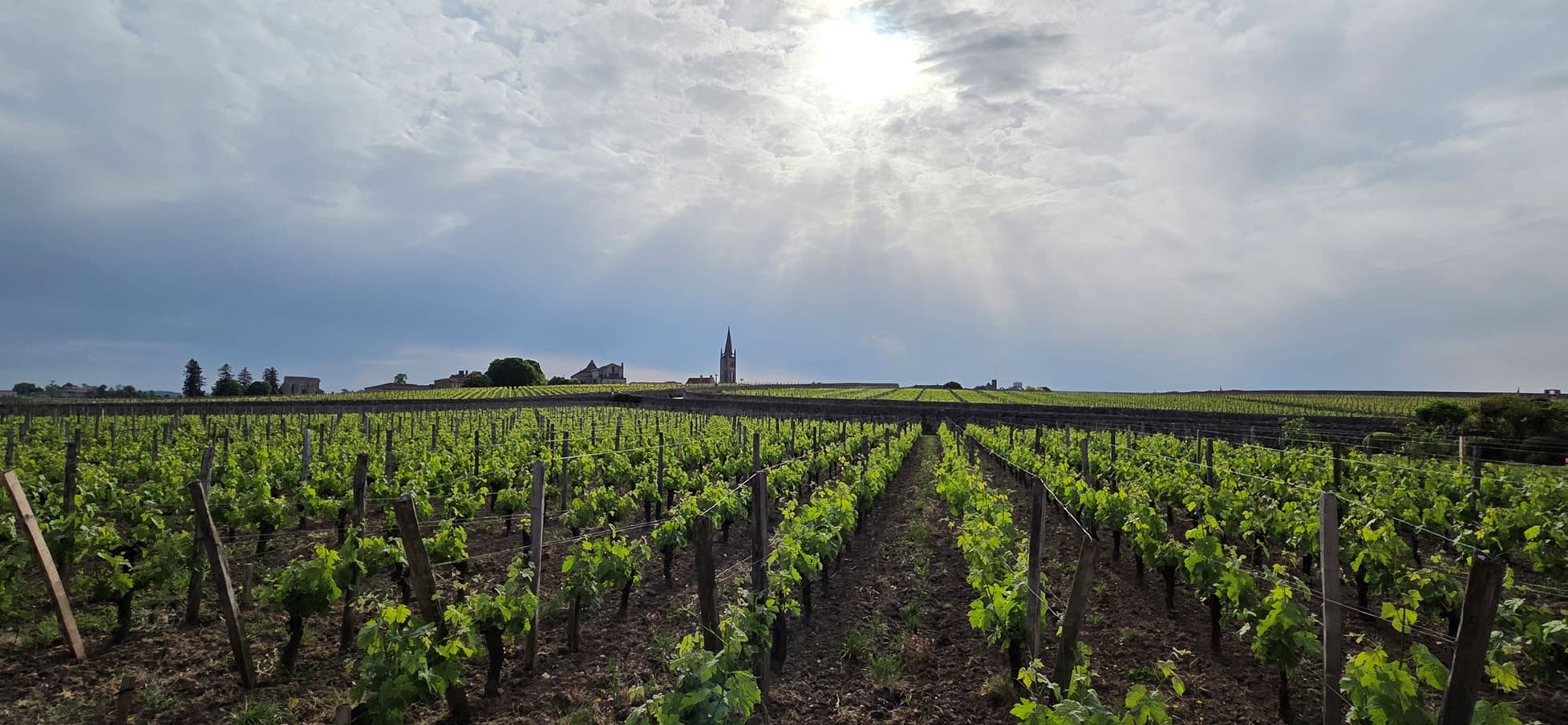
Bordeaux En Primeur 2025: A Vintage of Precision, Scarcity and Opportunity
Winecube’s Bordeaux En Primeur 2025 report presents the vintage as modern, one of freshness, precision and moderate alcohol-but in low volumes. The key message is that 2025 may offer new and exiting collectors opportunity, but only if release pricing reflects current market conditions rather than relying purely on low yields.
Deep Dive
Introduction to wine investment and collecting
This article is aimed at people who are already investing in wine, or seriously planning to start soon. It looks at wine not just as a collectible, but as an asset class with real frictions: opaque pricing, uneven liquidity, storage costs, fee drag, tax considerations and the constant question of exit. The focus is on the practical mechanics of building and managing a serious investment-led cellar — how to think about cost of carry, portfolio size, regional allocation, blue-chip versus second-line exposure, and where market perception can diverge from underlying quality. The goal is not to sell the romance of wine investment, but to give a clearer framework for judging when it makes sense, where the risks sit, and how to avoid the most common structural mistakes.
Austria
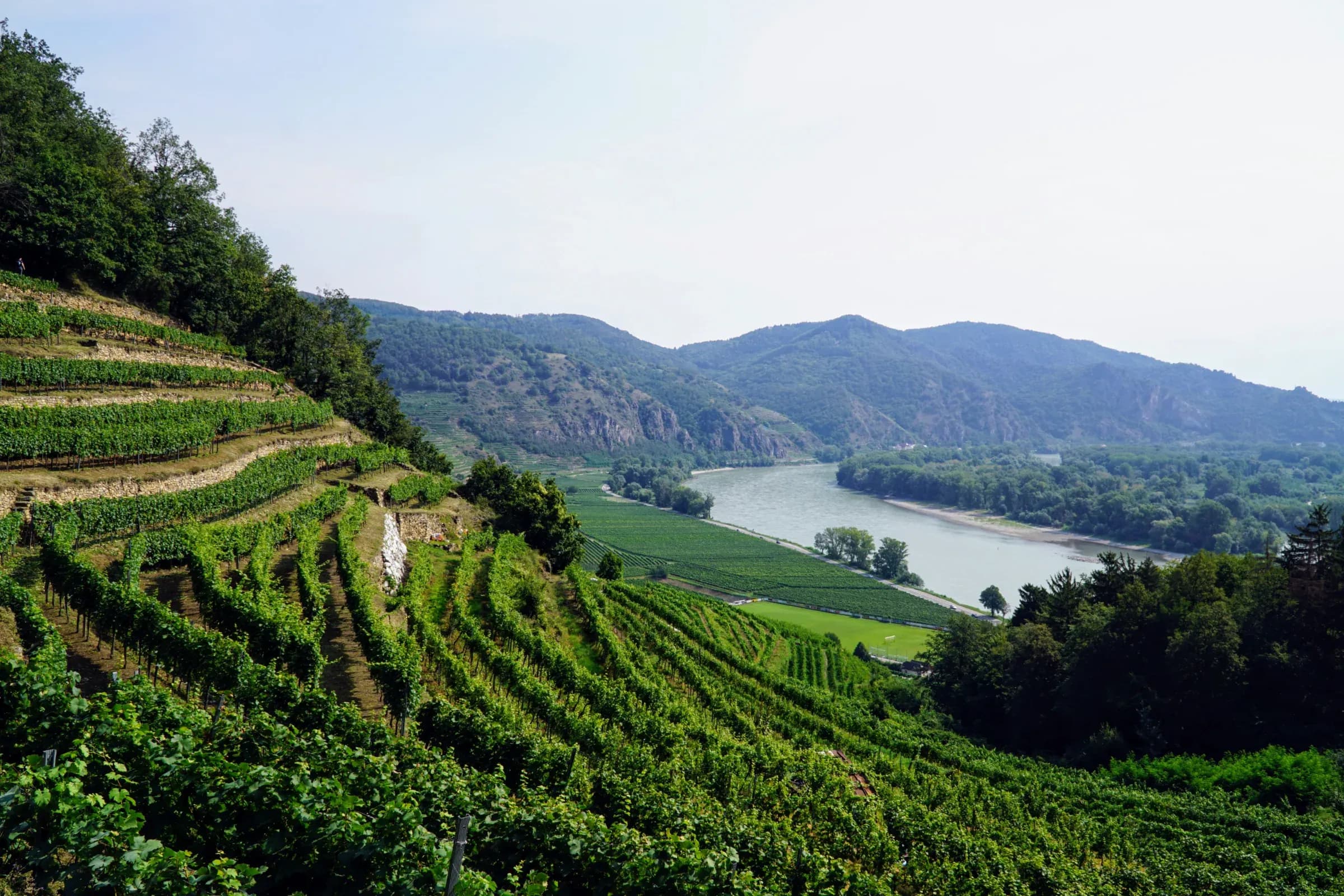
Austria’s identity is unusually legible: Grüner Veltliner and Riesling dominate the Danube and Lower Austria, Blaufränkisch and Zweigelt define much of Burgenland, Sauvignon Blanc and Schilcher give Styria a distinct aromatic identity, and Vienna’s Gemischter Satz is a true field blend specialty. The DAC framework clarifies regional typicity, while Austria’s sweet wine tradition, especially BA/TBA and the historic Ruster Ausbruch remains one of the country’s most distinctive strengths.
Region Spotlight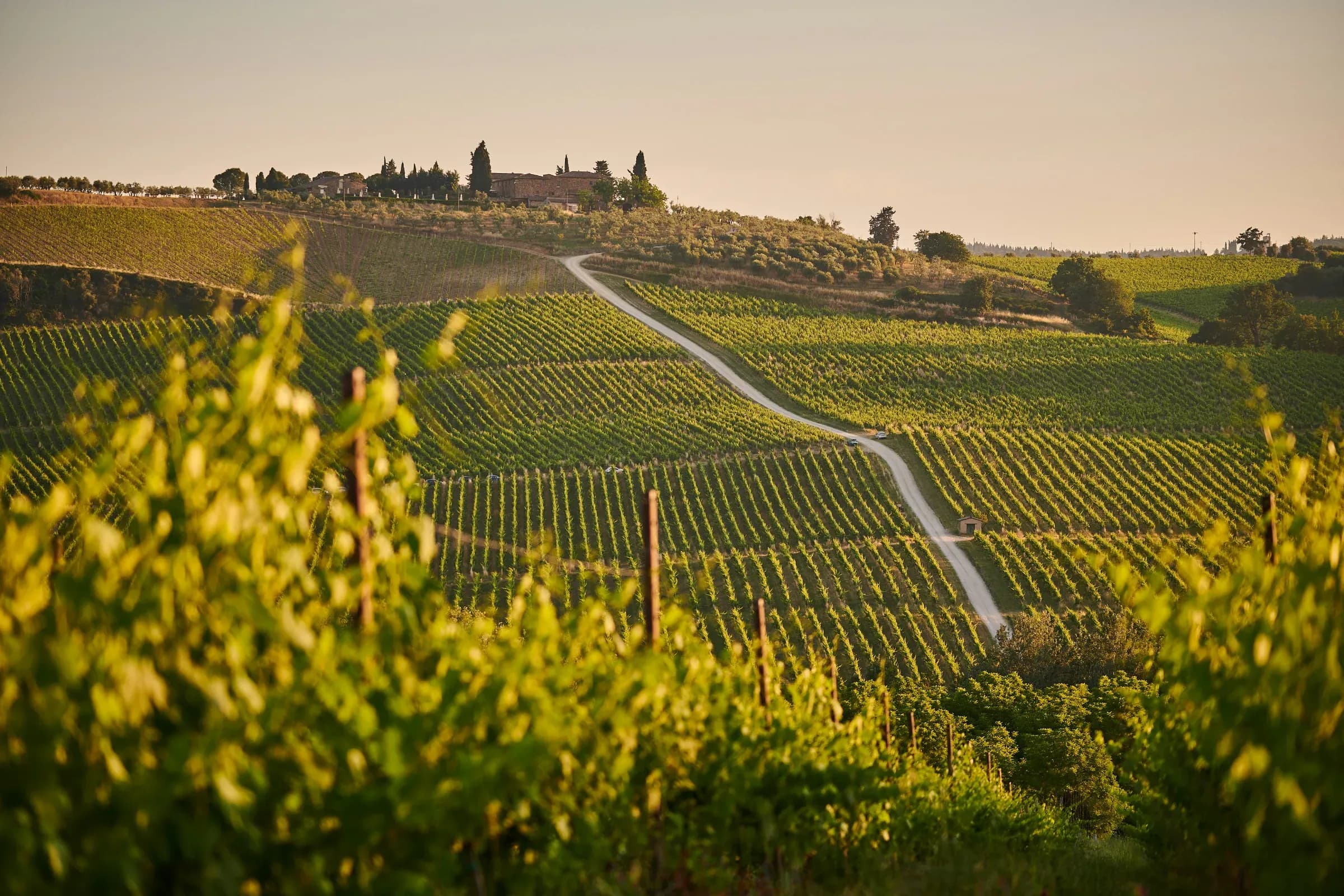
Tuscany
Tuscany remains a Sangiovese-led region of altitude, soil complexity, and maturation tradition. Chianti Classico is increasingly terroir-specific through UGA and stricter top-tier positioning; Brunello is the benchmark for long-lived 100% Sangiovese; Vino Nobile is sharpening hierarchy through Pieve; and Bolgheri defines Tuscany’s great coastal Cabernet-based wines. Together, these zones make Tuscany one of Italy’s most complete fine-wine regions.
Region Spotlight
Cabernet Franc
Cabernet Franc is a versatile, terroir-expressive black grape that thrives when it reaches full flavour ripeness without heat stress or canopy shade. It is dominant in several Loire appellations (Chinon, Bourgueil, Saint-Nicolas-de-Bourgueil, Saumur-Champigny) and is essential in Right Bank Bordeaux blends, with important roles in coastal Tuscany (Bolgheri) and cool-climate North America.
Grape Variety in Focus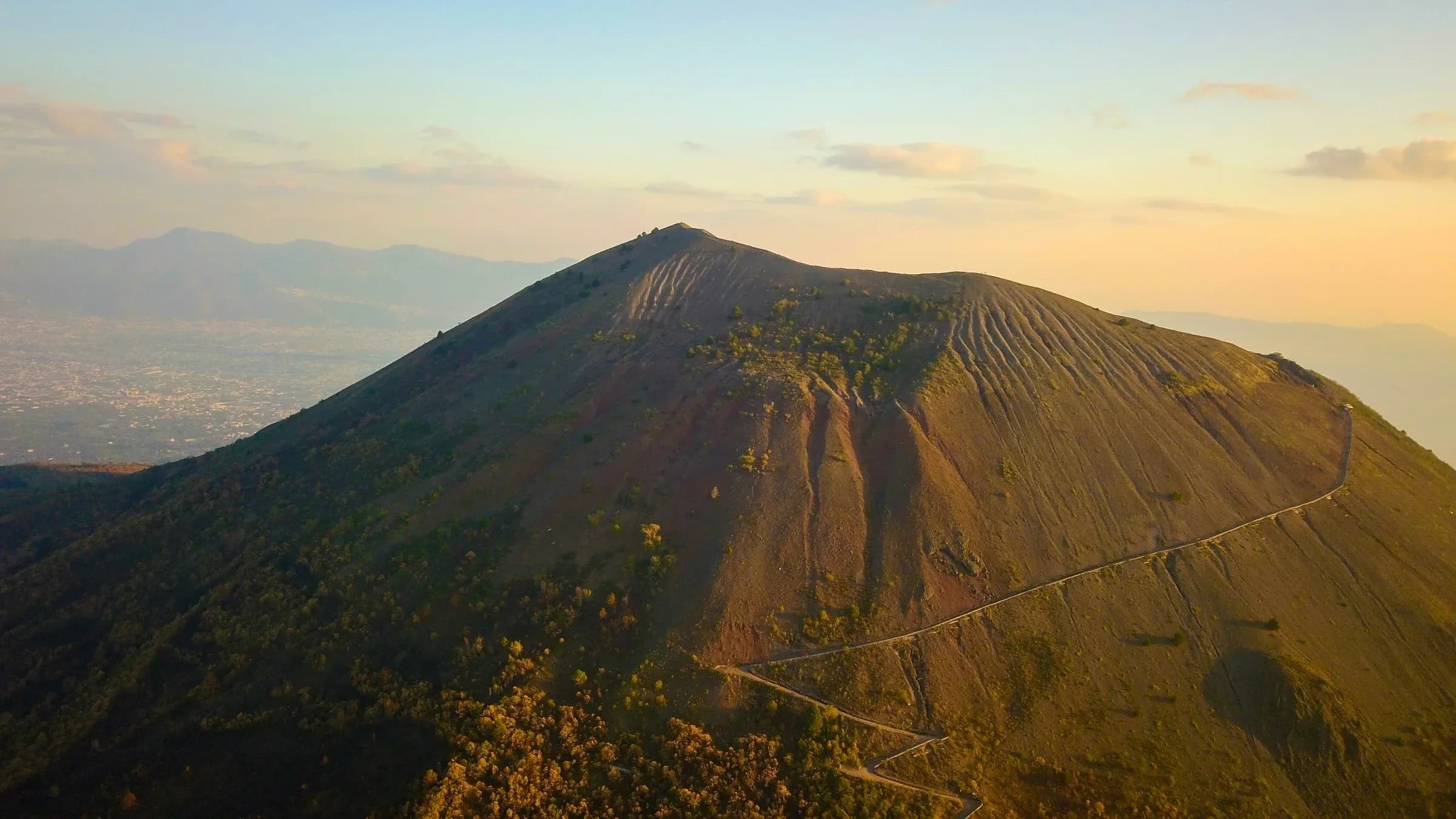
Campania
Campania’s fine-wine identity is built on native varieties shaped by volcanic soils and altitude, with Irpinia delivering the region’s most age-worthy whites and structured reds. Fiano di Avellino and Greco di Tufo set the benchmark for textured, mineral whites, while Aglianico underpins long-lived reds in Taurasi and Aglianico del Taburno. Along the Naples volcanic arc (Campi Flegrei and Vesuvio), Falanghina and Piedirosso produce saline, smoky wines that showcase some of Italy’s most distinctive volcanic terroir.
Region Spotlight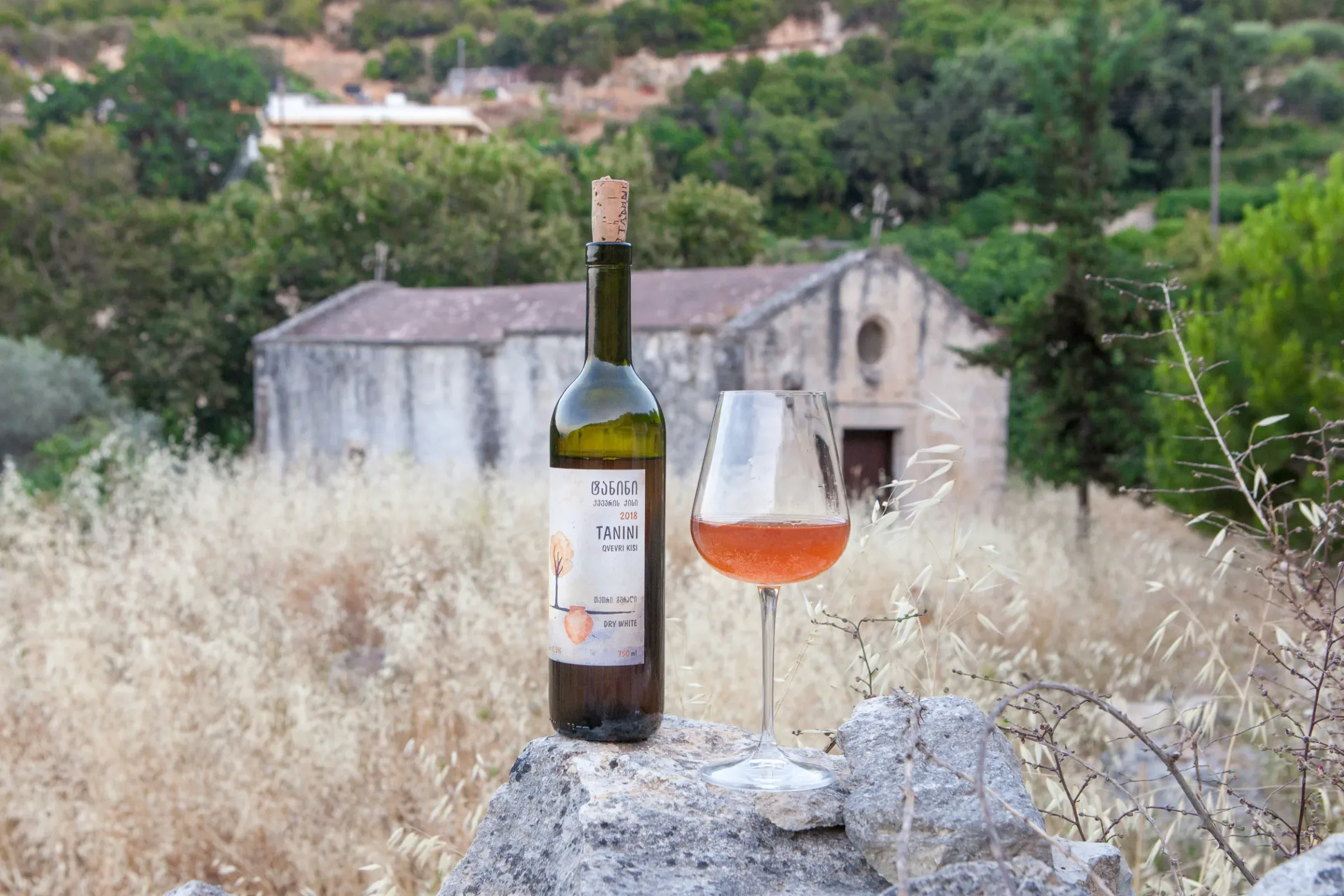
Orange Wines
Orange wines are best understood through the interplay of skin-contact extraction and oxygen handling, which creates their signature tannin, savoury depth, and amber evolution. The clearest comparisons come from Georgia’s qvevri traditions, the Friuli/Collio–Brda borderlands, and Portugal’s Alentejo talha, each shaped by local grapes, vessels, and terroir. Recent research adds perspective on polyphenols and gut microbial metabolism, with olive oil polyphenol thresholds offering a useful scale reference.
Deep DivePinot Blanc
Pinot Blanc is a quietly expressive, terroir-driven white variety prized for texture, mineral purity, and versatility in sparkling and still winemaking. Its restrained aromatics allow soil, climate, and winemaking choices to take centre stage. At its best—particularly in Alto Adige and top German/Austrian sites—it produces precise, ageworthy wines of great gastronomic appeal.
Grape Variety in FocusLombardy
Lombardy unites Alpine Nebbiolo, world-class sparkling wines, structured reds, and mineral-driven whites. Its terroir diversity—from granite terraces to glacial moraines and clay-limestone hills—supports some of Italy’s most distinctive and terroir-transparent wines.
Region SpotlightFriuli–Venezia Giulia
Friuli–Venezia Giulia excels in mineral, textural, aromatic whites, world-class skin-contact wines, and characterful reds. Its Alpine–Adriatic climate, Ponca soils, and cultural intersections create wines of precision, depth, and unique regional character.
Region Spotlight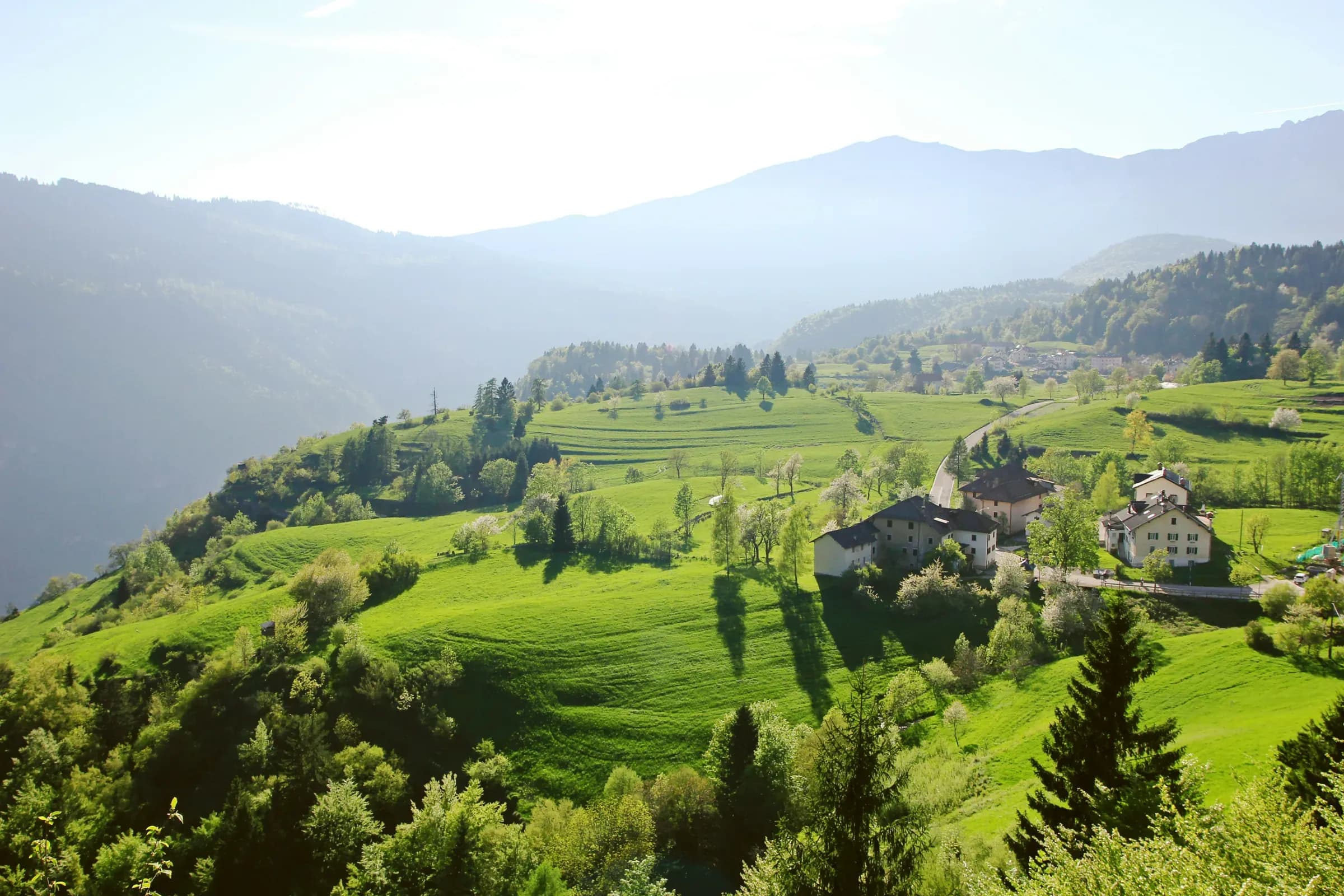
Trentino–Alto Adige
Trentino–Alto Adige offers Alpine precision, distinctive aromatic whites, increasingly serious Pinot Noir, unique native reds, and Italy’s leading traditional-method sparkling wines outside Franciacorta. Altitude, geology, and cultural duality drive a region committed to freshness, purity, and terroir transparency.
Region Spotlight
Carbonic Maceration
Carbonic maceration is both a classic technique and a modern tool. In full form, it produces bright, juicy, low-tannin wines; in partial form (semi-carbonic, whole-cluster), it is used to finesse structure, moderate tannin, and lift aromatics. Its adaptation to white, rosé, and orange wines shows how flexible CM has become within contemporary winemaking. Understanding the biochemical, structural, and stylistic implications of carbonic maceration allows winemakers to recognise when and why this technique should be used.
Deep Dive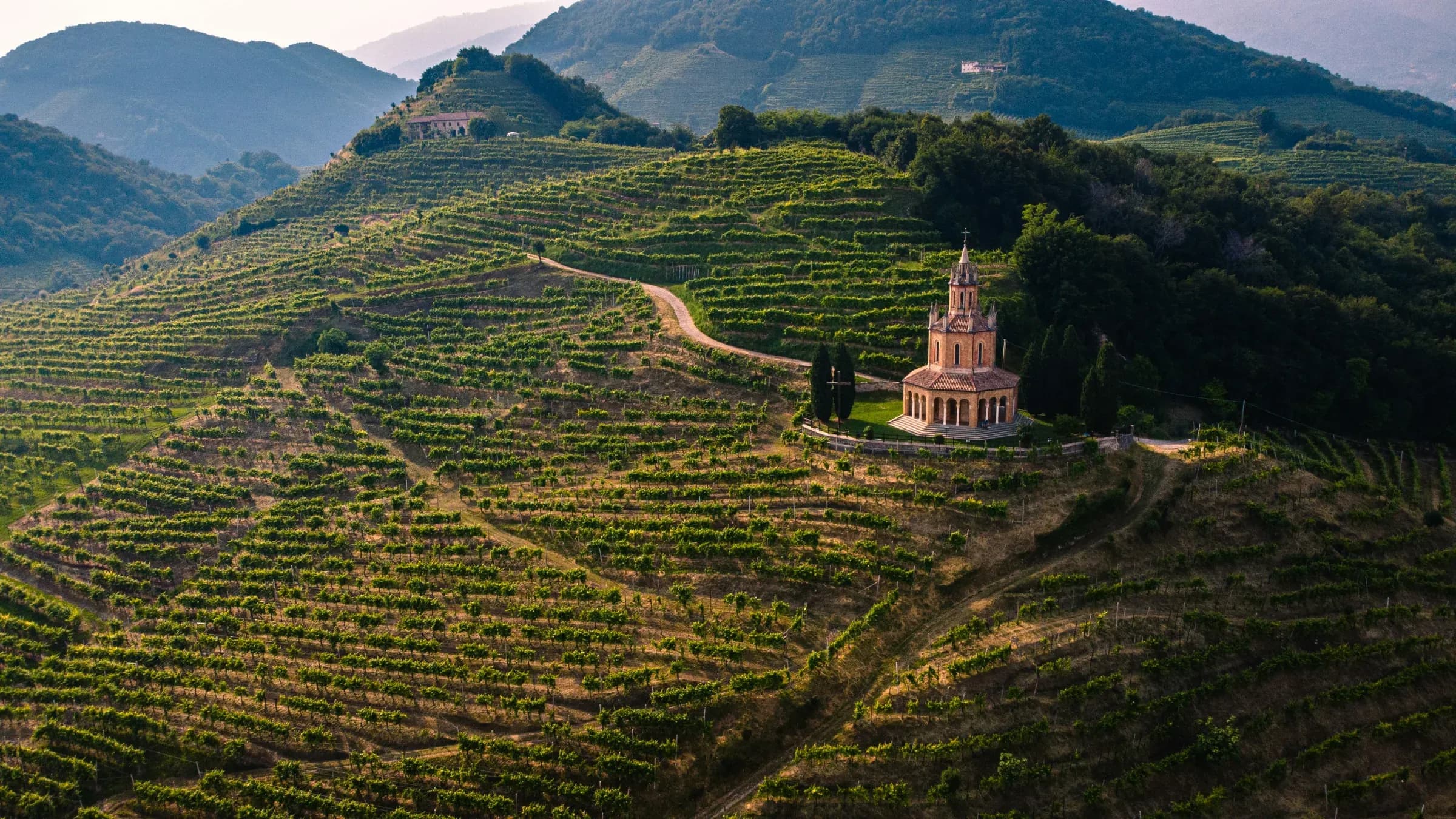
Veneto
Veneto’s diversity ranges from the powerful, appassimento-based Amarone to mineral Soave and the high-altitude finesse of Prosecco Superiore. A complex interplay of volcanic and limestone soils, mountain breezes, and traditional techniques shapes one of Italy’s most important wine regions.
Region Spotlight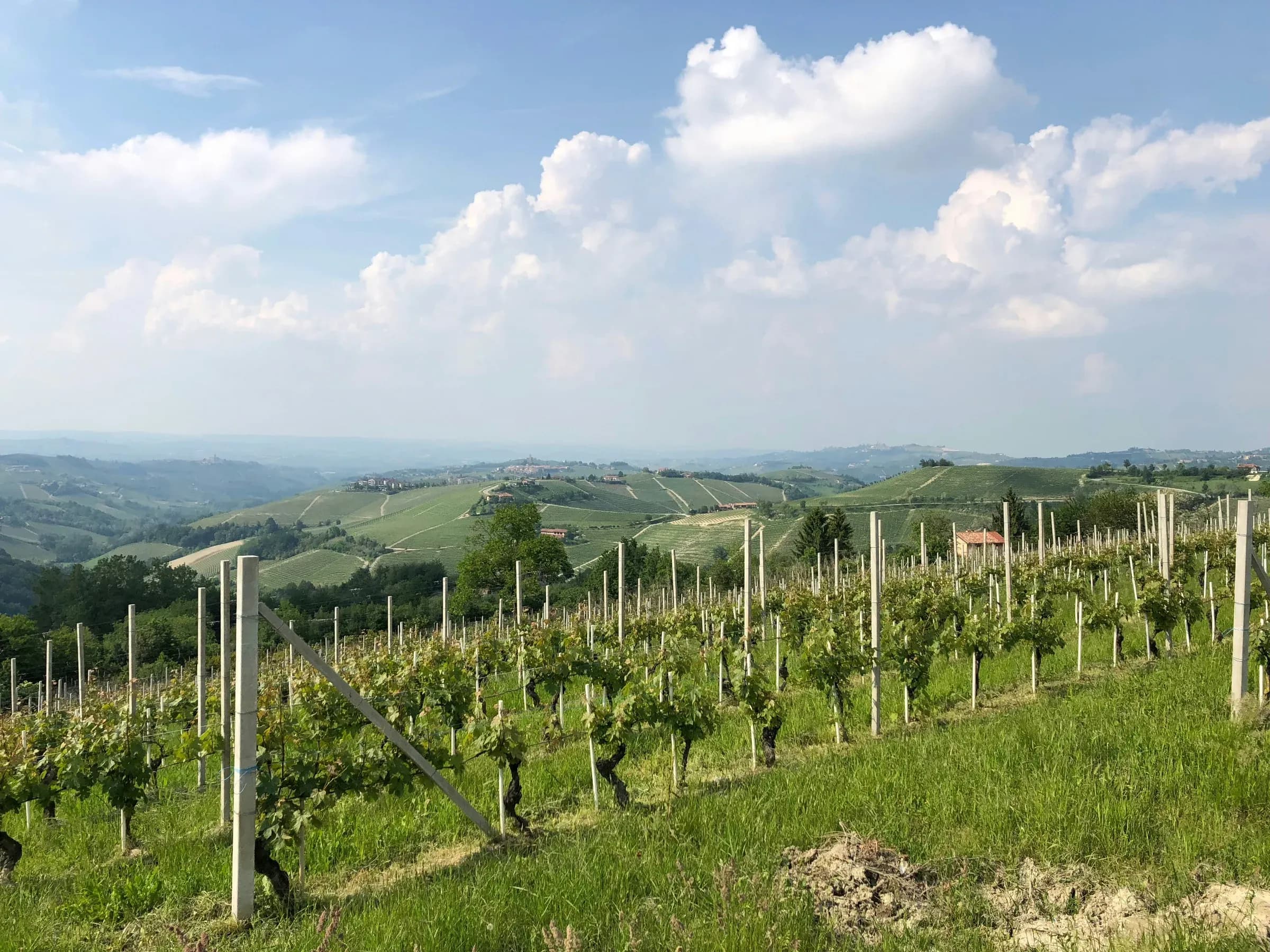
Piedmont
Piedmont unites late-ripening Nebbiolo, complex soils, and continental–Alpine climate to produce some of Italy’s most refined and ageworthy wines. Barolo and Barbaresco lead with structure and perfume, Alto Piemonte offers mineral elegance, while Barbera, Dolcetto, and outstanding whites (Arneis, Timorasso, Gavi, Erbaluce) complete a diverse, terroir-driven region grounded in deep tradition and modern precision.
Region Spotlight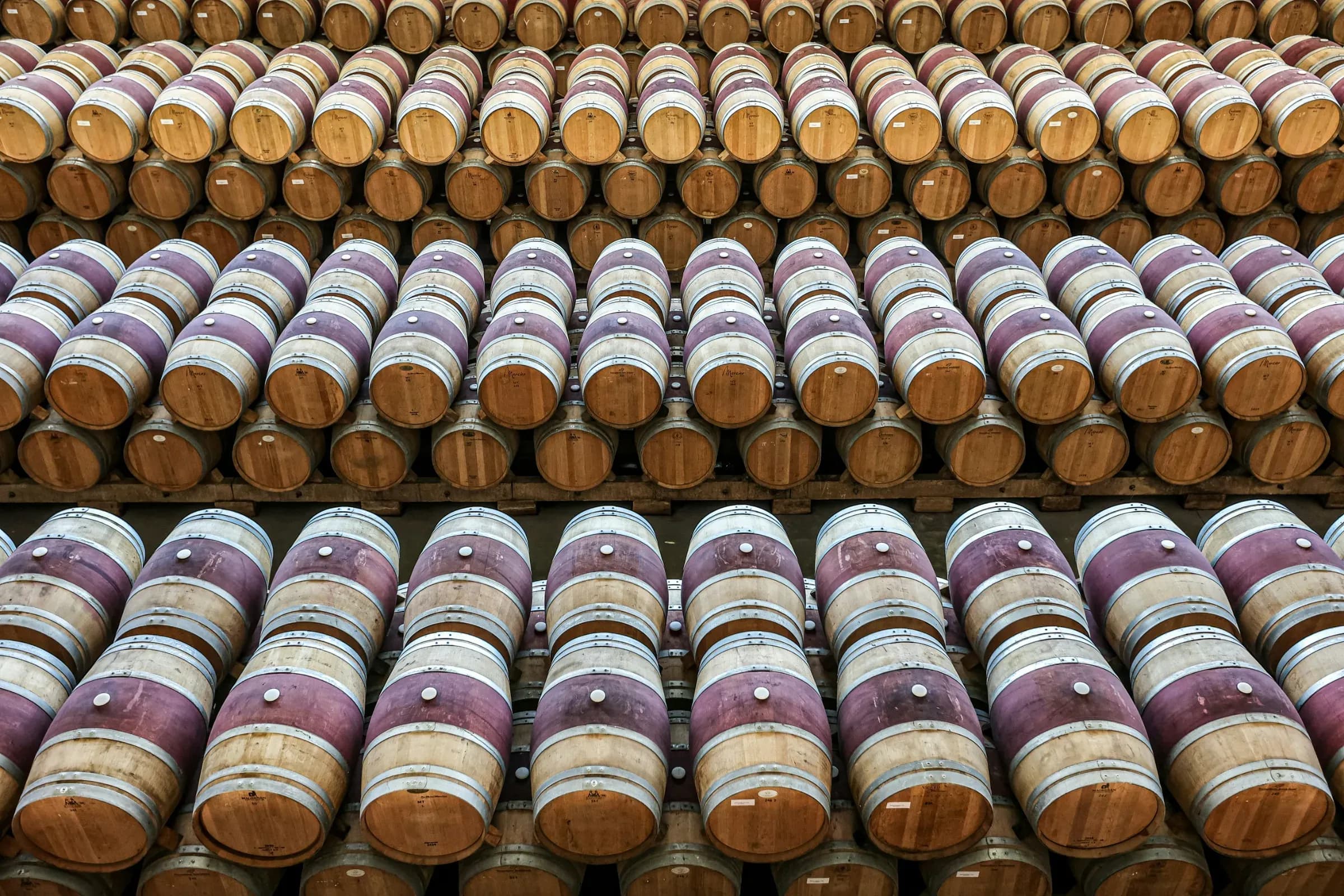
Tempranillo
Tempranillo is the black grape cornerstone of Spanish red wine, combining early ripening, moderate acidity, and strong affinity for oak. Its expressions range from juicy jóvenes to some of Europe’s longest-lived wines, particularly in Rioja and Ribera del Duero. With the right balance of site, climate, canopy management, and ageing, Tempranillo delivers generous fruit, refined tannin, and exceptional ageing potential.
Grape Variety in Focus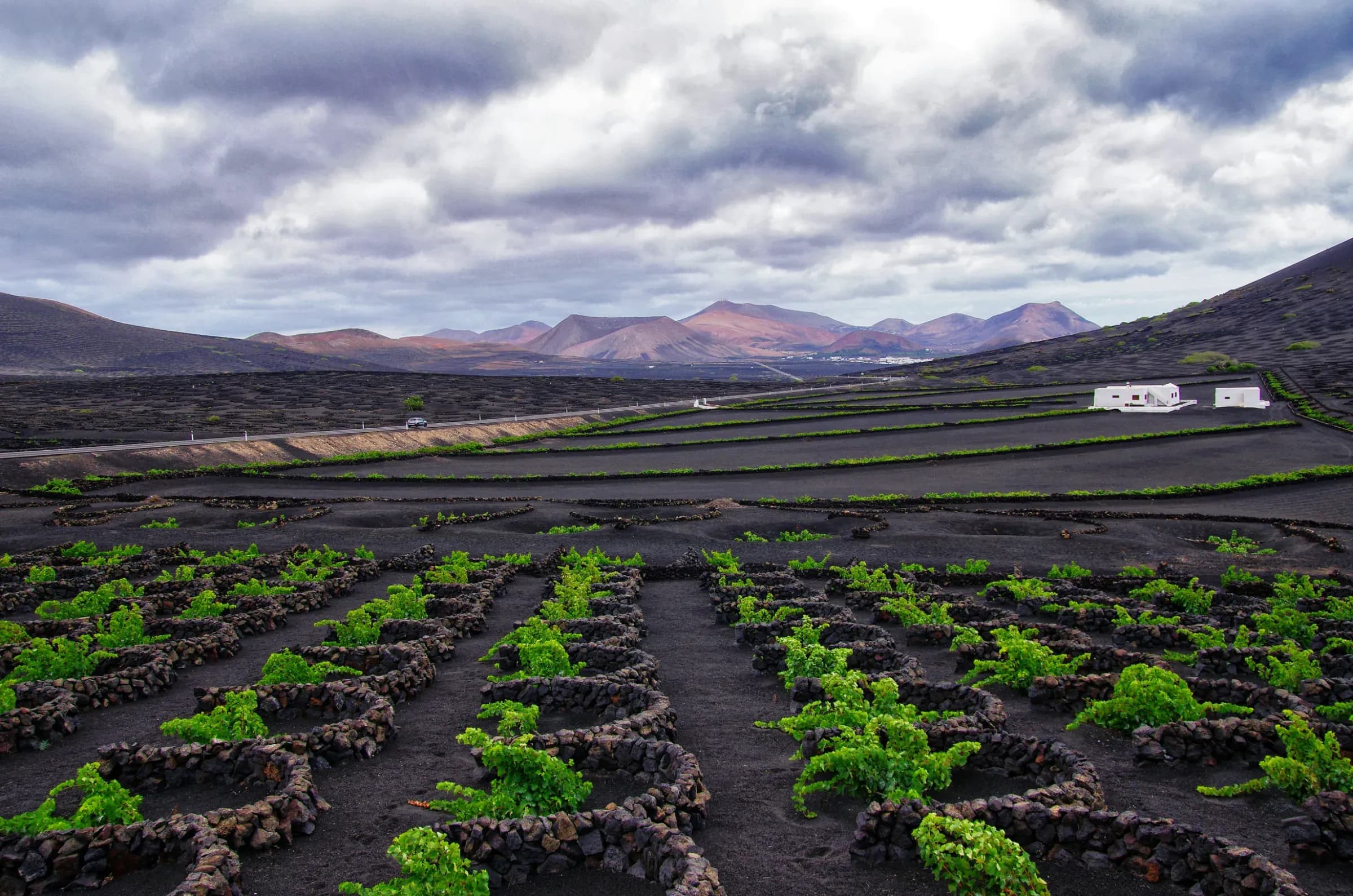
Canary Islands & Balearic Islands
The Canary Islands deliver volcanic, saline wines shaped by altitude, ash-based soils, and ancient ungrafted vines. The Balearic Islands express Mediterranean warmth through supple Manto Negro and Callet reds and textured Prensal Blanc whites. Together they show two contrasting island identities grounded in their unique geologies and climates.
Region Spotlight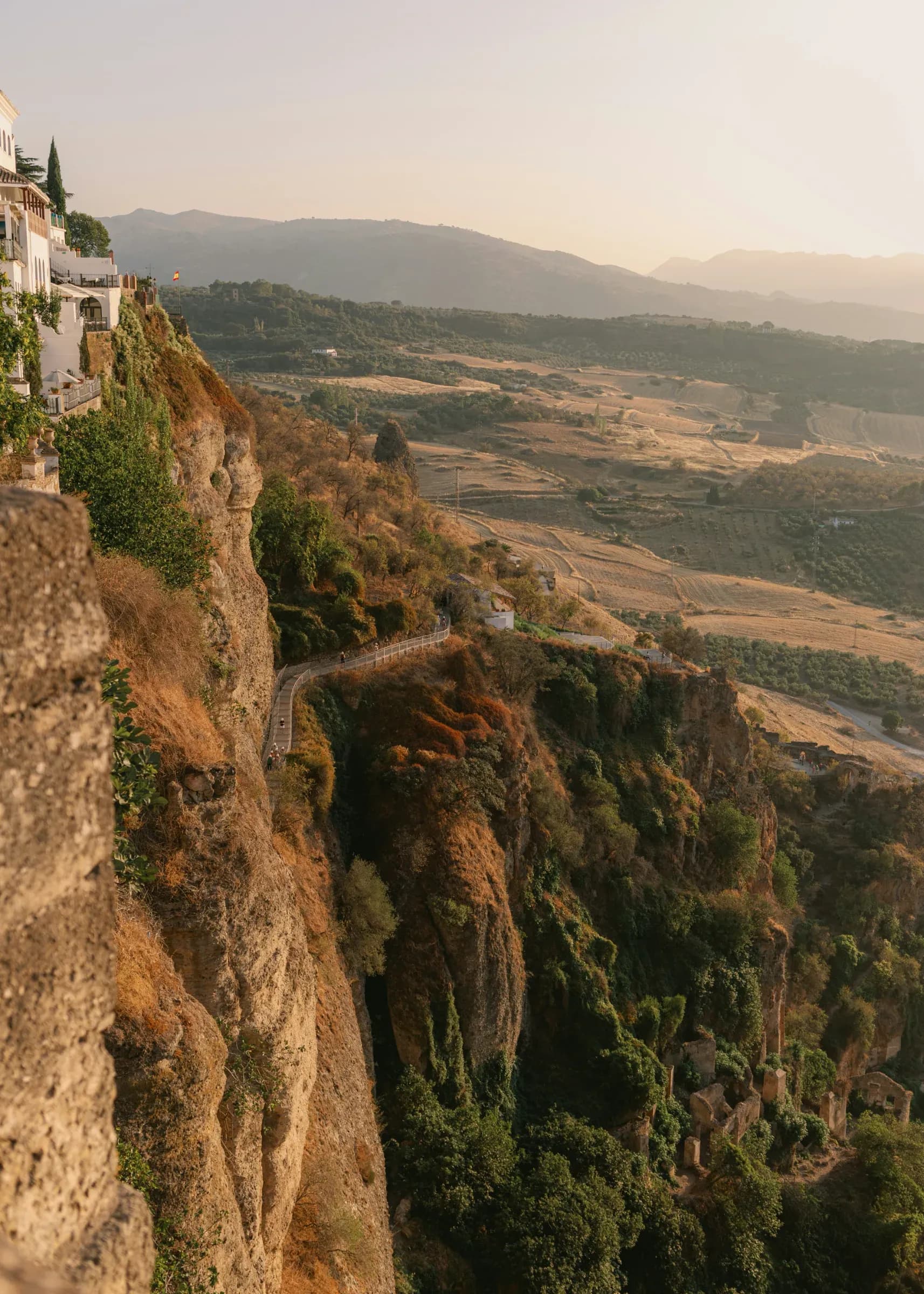
Andalusia beyond Jerez
Andalusia beyond Jerez encompasses chalk, slate, and mountain vineyards producing a wide spectrum of wines: unfortified PX Finos, slate-driven dry Moscatel, saline Palomino whites, structured Tintilla reds, and historic sweet wines defined by asoleo and arrope. Rather than a single identity, the region offers varied expressions shaped by altitude, soil, and maritime or mountain influence. This diversity reflects both deep historical traditions and a growing movement toward terroir-based, site-specific Andalusian wines.
Region Spotlight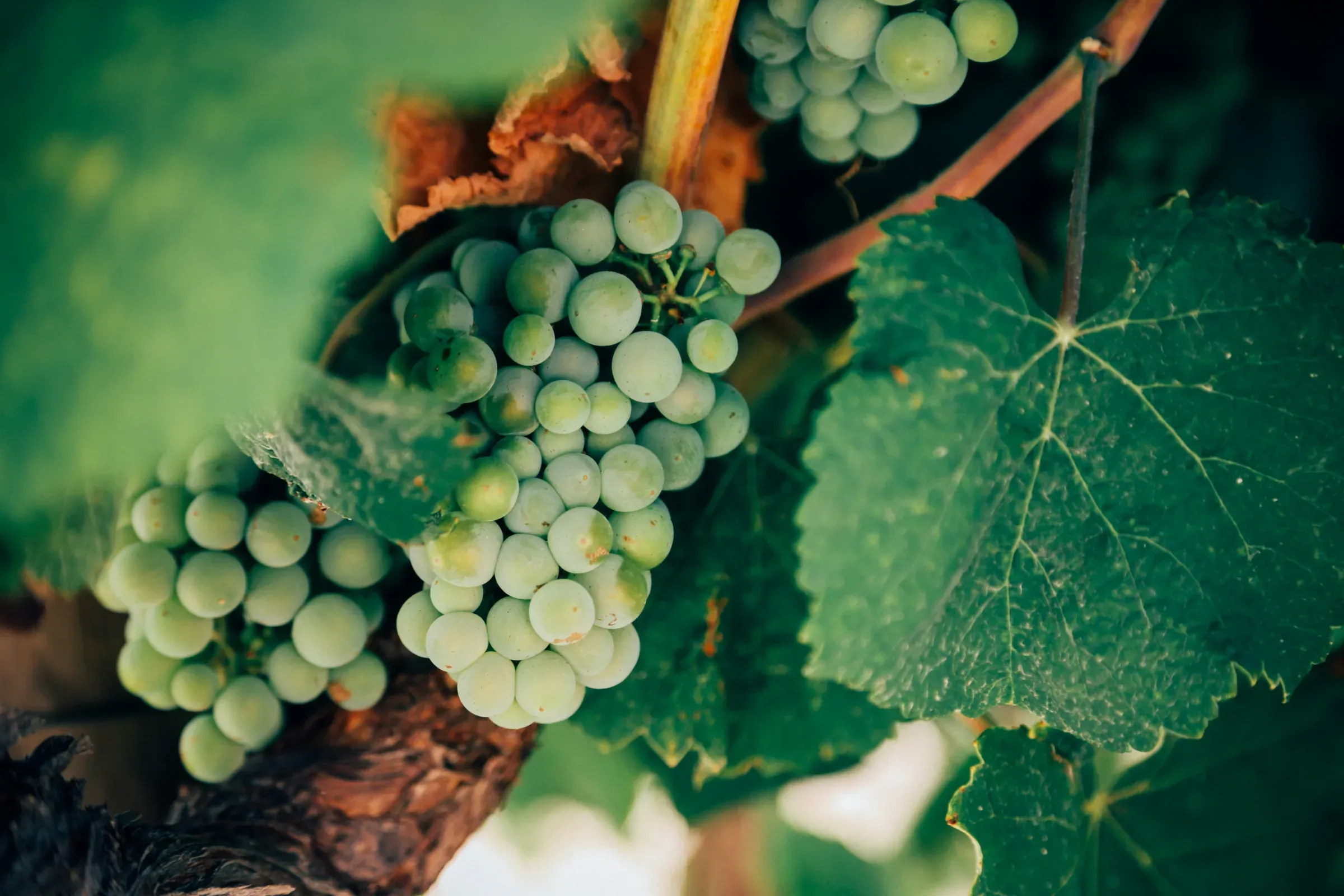
Jerez
Sherry merges chalk, climate, flor, and the solera system into one of the world’s most intricate styles of wine. Its range — from saline Manzanilla to profound VORS Amontillado, Oloroso, and PX — reflects centuries of adaptation and mastery. Today’s revival, driven by terroir bottlings and en rama authenticity, marks a new golden age for Andalusia’s great wines.
Region Spotlight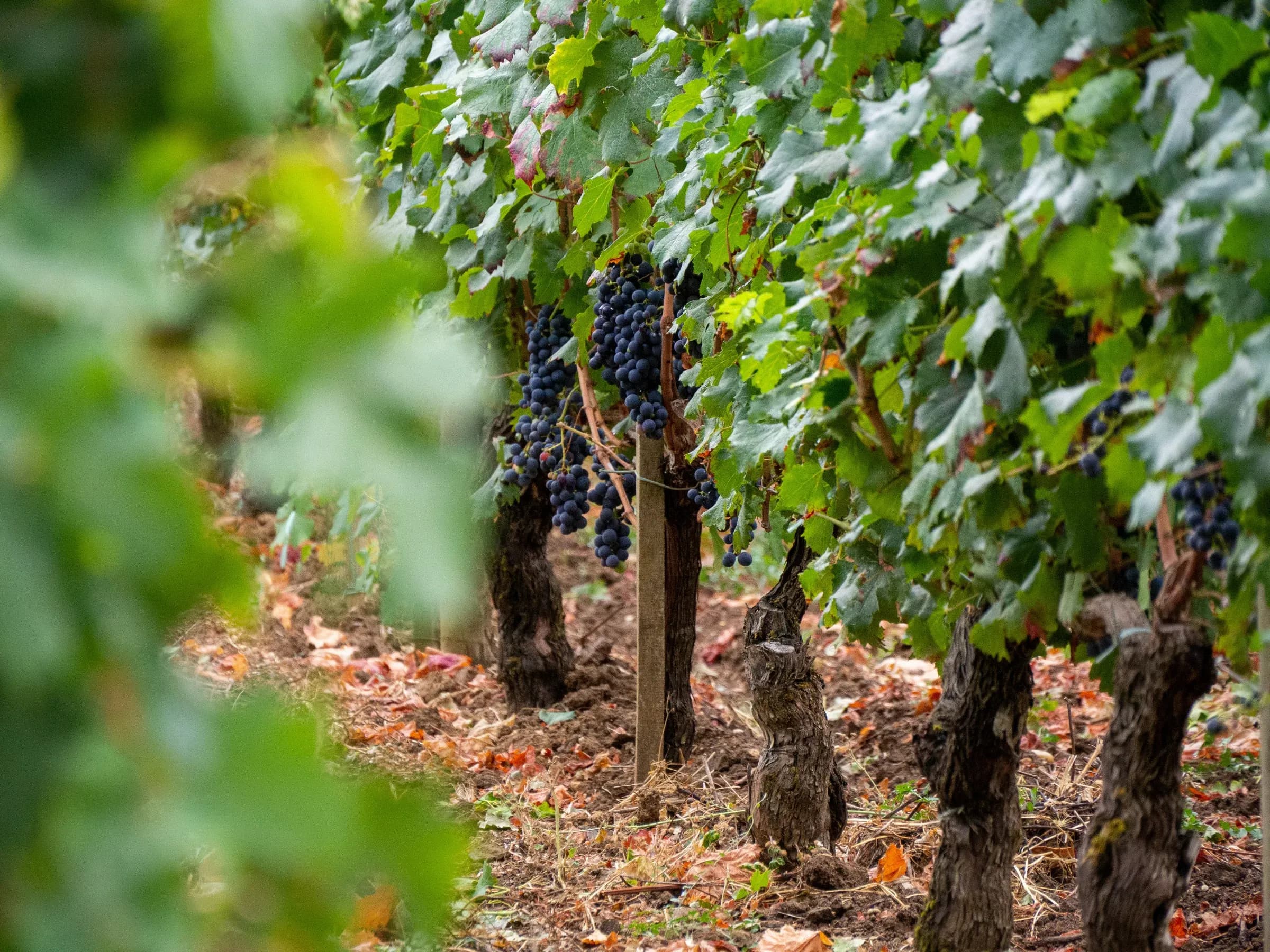
Merlot
Merlot is a globally important black grape capable of producing supple, plummy wines or deeply structured, ageworthy reds depending on site and climate. Its affinity for clay and clay-limestone soils makes it the cornerstone of Right Bank Bordeaux while also excelling in regions like Washington, Bolgheri, and coastal California. Equally successful as a single-varietal wine or as the core of Cabernet-based blends, Merlot delivers concentration, mid-palate depth, and refined tannin architecture.
Grape Variety in FocusThe Mediterranean Levante – Valencia, Alicante, Jumilla, Yecla & Bullas
The Mediterranean Levante is a warm, sunny region on Spain’s east coast that produces powerful but increasingly refined wines. It is the homeland of Monastrell, which thrives in the dry, limestone-rich vineyards of Jumilla, Yecla, Bullas, and Alicante. Fresh local whites and the historic Fondillón add even more character, making the Levante one of Spain’s most exciting evolving wine areas.
La Mancha & Valdepeñas
La Mancha produces clean, modern, great-value wines from its vast, sunny plateau, especially fresh whites and fruity young reds. Valdepeñas is smaller and more traditional, known for smooth, oak-aged Tempranillo with warm, mature flavours. Together they showcase the approachable, ripe, and generous style of Spain’s central plateau wines.
Region Spotlight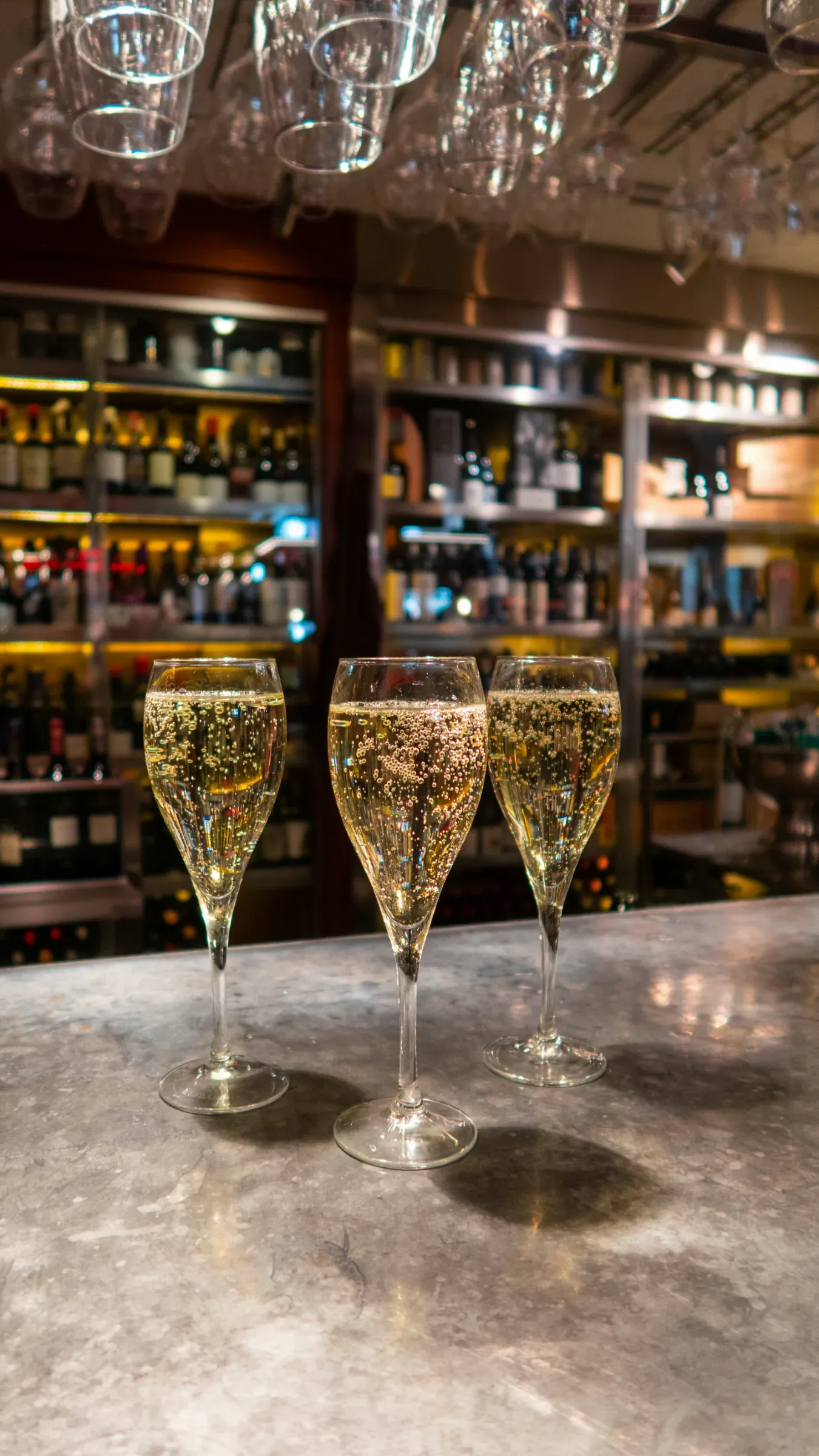
Cava DO & Corpinnat
Cava is Spain’s well-known traditional-method sparkling wine, made across several regions but mostly in Penedès. Corpinnat is a newer, premium group that makes sparkling wine only in a defined part of Penedès, using 100% organic, hand-harvested grapes and long ageing. Together, they show two different styles of Catalan fizz: Cava for broad, fresh appeal and Corpinnat for terroir-driven depth and complexity.
Region Spotlight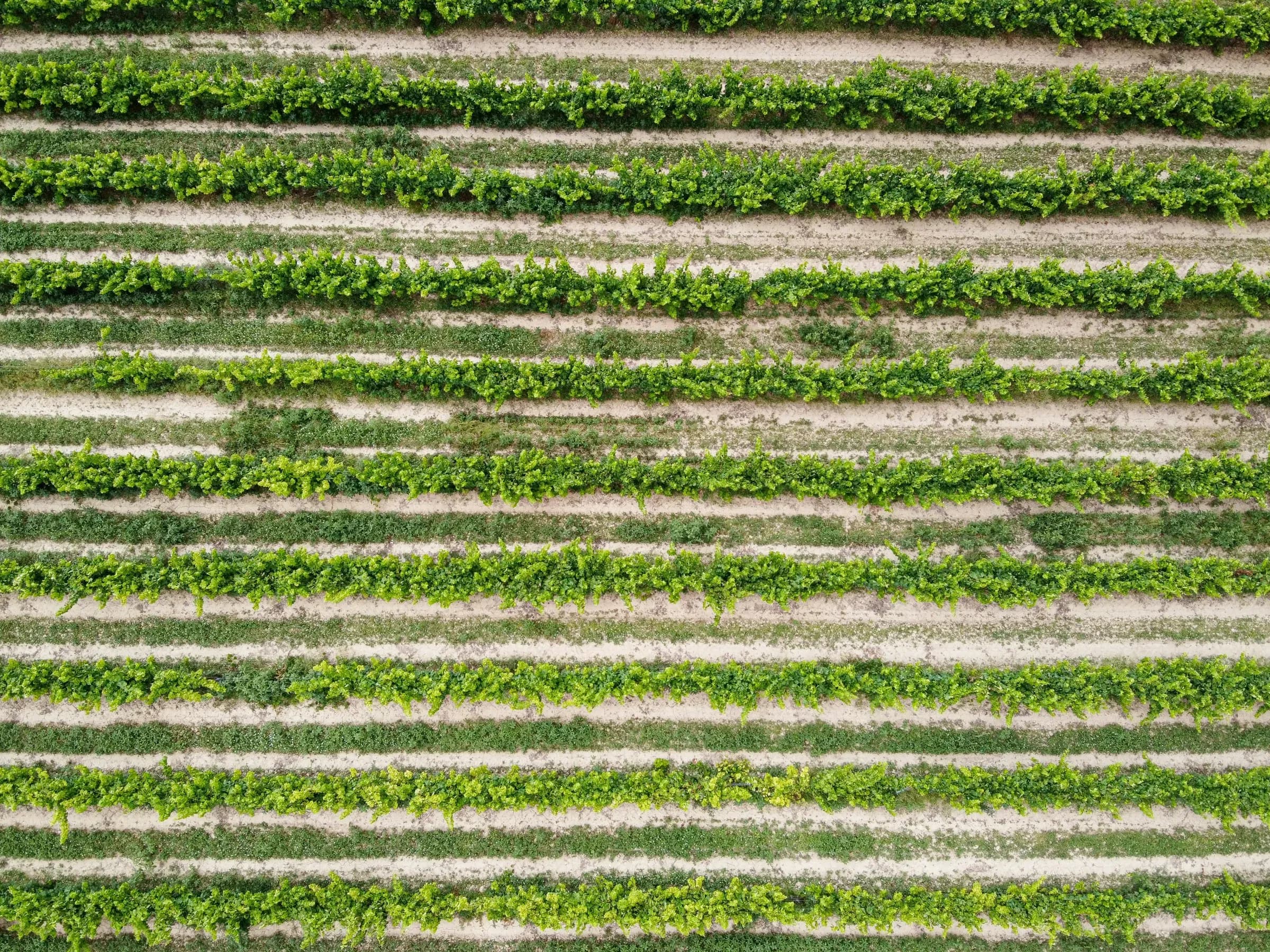
Catalonia beyond Priorat
Catalonia beyond Priorat is a region of coast, hills, and inland plateaus that produces a wide range of expressive wines. From fresh Xarel·lo whites and elegant Cava to fragrant Trepat reds and rich Garnatxa Blanca, it offers styles shaped by altitude, wind, and diverse soils. It is one of Spain’s most dynamic regions, combining strong local identity with modern, sustainable winemaking.
Region Spotlight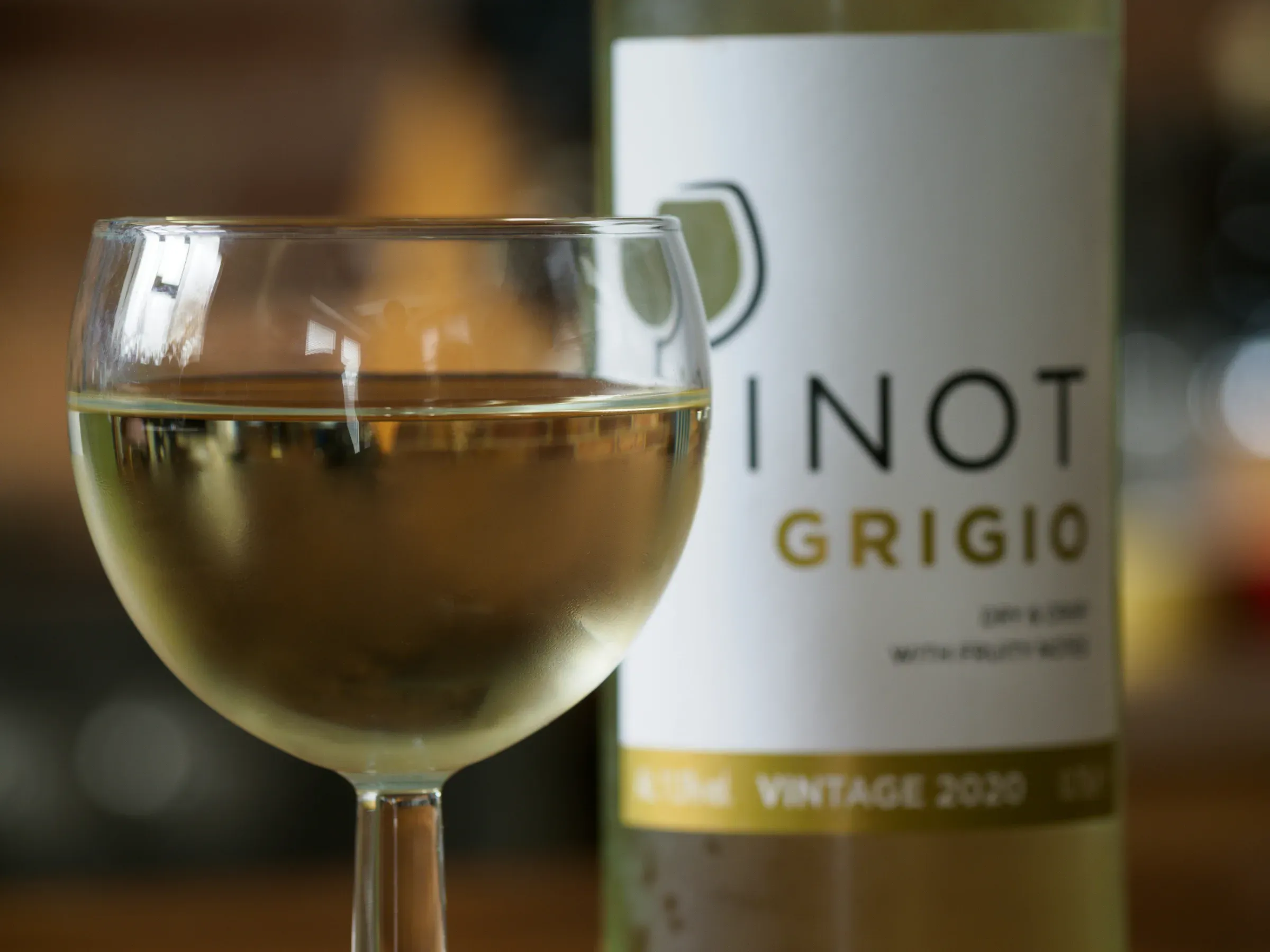
Pinot Gris/Grigio
Pinot Gris is a white grape variety that makes wines ranging from light and crisp (Pinot Grigio) to rich and spicy (Pinot Gris). It originated as a pale-skinned mutation of Pinot Noir and shows different characters depending on where it’s grown. Always fresh and versatile, it produces easy-drinking wines that pair beautifully with many foods.
Grape Variety in FocusChenin Blanc
Chenin Blanc is a highly versatile white grape that can produce dry, sweet, or sparkling wines while always keeping its lively acidity. It originated in France’s Loire Valley and now thrives in South Africa, where old vines create rich, textured styles. Whether crisp and mineral or ripe and honeyed, Chenin Blanc shows balance, freshness, and a strong sense of place.
Grape Variety in Focus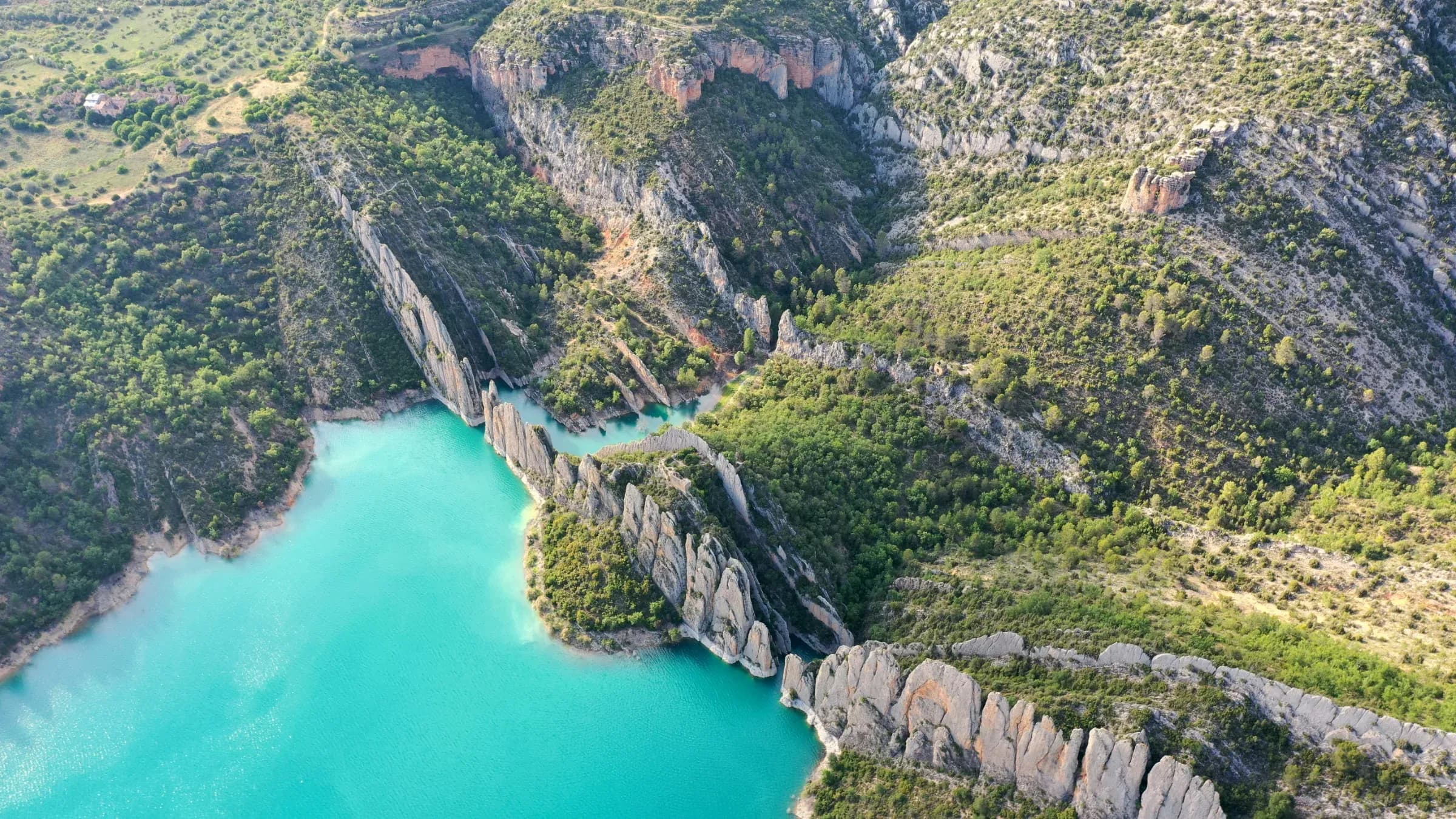
Navarra and Aragón
Navarra and Aragón, in northeastern Spain, are known for their old Garnacha vines and diverse landscapes that range from cool mountains to warm river valleys. Navarra produces elegant reds and dry, fruity rosados, while Aragón’s high-altitude vineyards yield powerful yet balanced Garnacha wines. Together they showcase Spain’s blend of tradition, sunshine, and freshness in modern winemaking.
Region Spotlight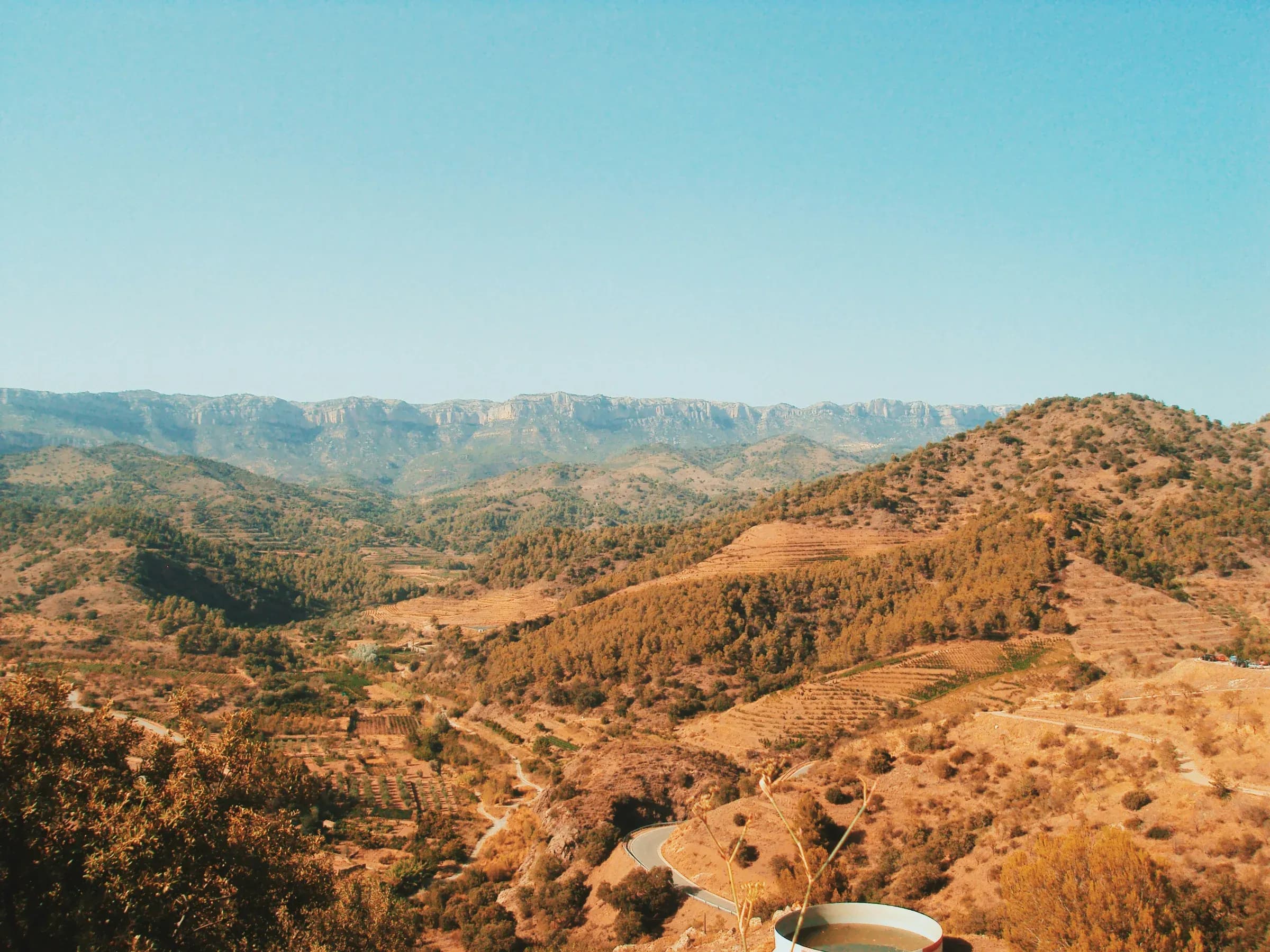
Priorat
Priorat is a small, mountainous region in Catalonia known for its steep slate vineyards and powerful red wines. Its old Garnatxa and Carinyena vines produce intensely flavoured, mineral wines with remarkable depth and ageing potential. Today, Priorat combines Mediterranean warmth with precise, terroir-driven winemaking, making it one of Spain’s most distinctive fine-wine regions.
Region Spotlight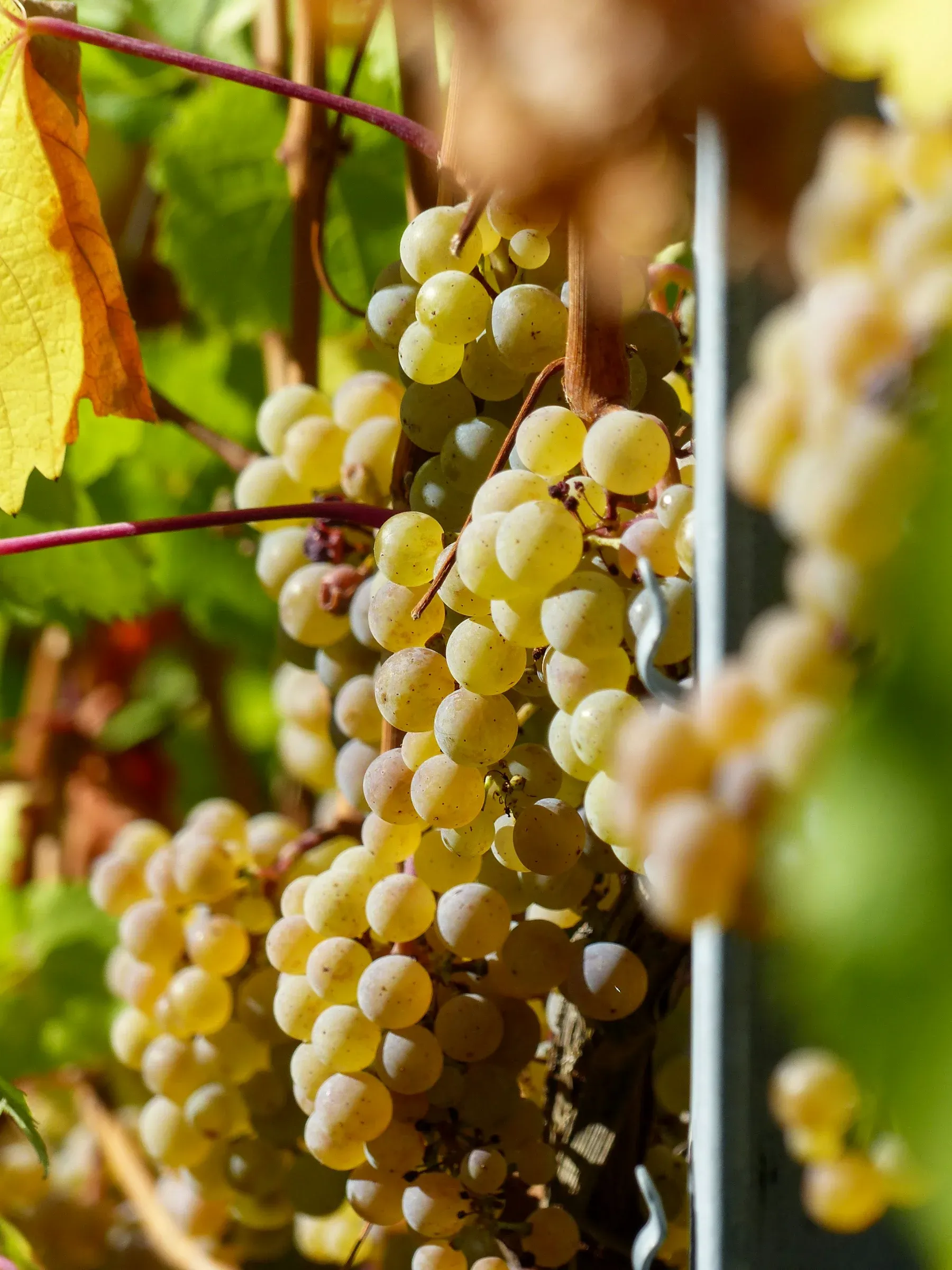
Riesling
Riesling is a high-acid, aromatic white grape that makes wines ranging from dry and crisp to lusciously sweet. It shows clear differences of place — from Germany’s slatey freshness to Austria’s richer stone-fruit styles and Australia’s lime-driven purity. Always vibrant and long-lived, Riesling is prized for its balance of fruit, acidity, and clarity of expression.
Grape Variety in Focus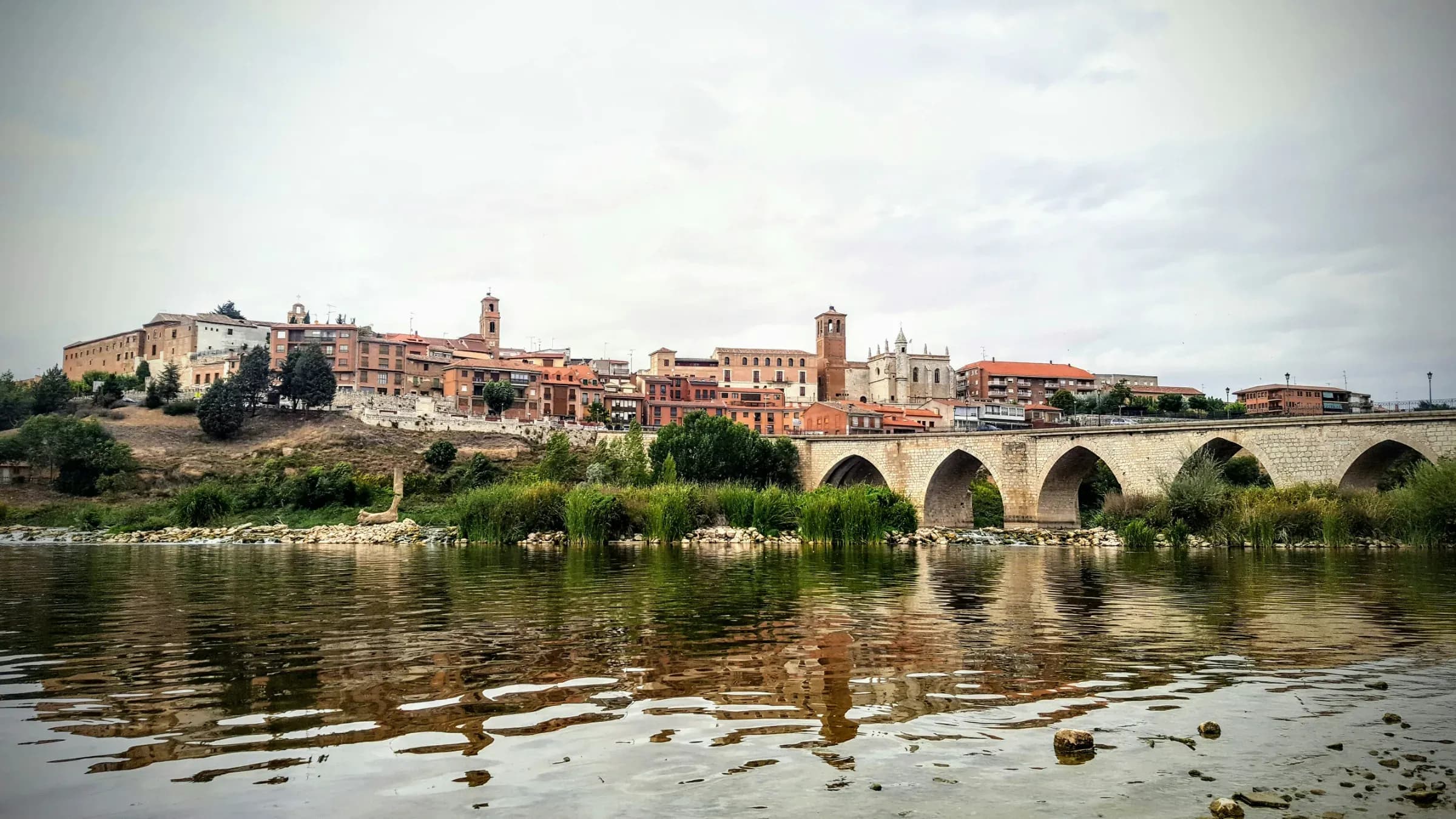
Castilla y León
Castilla y León is a vast high-altitude region in northern Spain shaped by hot days, cool nights, and limestone soils. It produces a wide range of wines — from Verdejo’s fresh whites in Rueda to Tempranillo’s powerful reds in Toro and Mencía’s elegant, mineral styles in Bierzo. Together, these wines show how the plateau’s extreme climate creates bottles that combine ripeness, freshness, and regional character.
Region SpotlightRibera del Duero
Ribera del Duero is a high-altitude region in northern Spain known for powerful, long-lived red wines made mainly from Tempranillo (Tinto Fino). Its hot days, cool nights, and limestone soils produce wines with deep colour, firm tannins, and fresh balance. Careful ageing in oak barrels adds complexity, spice, and exceptional ageing potential.
Region Spotlight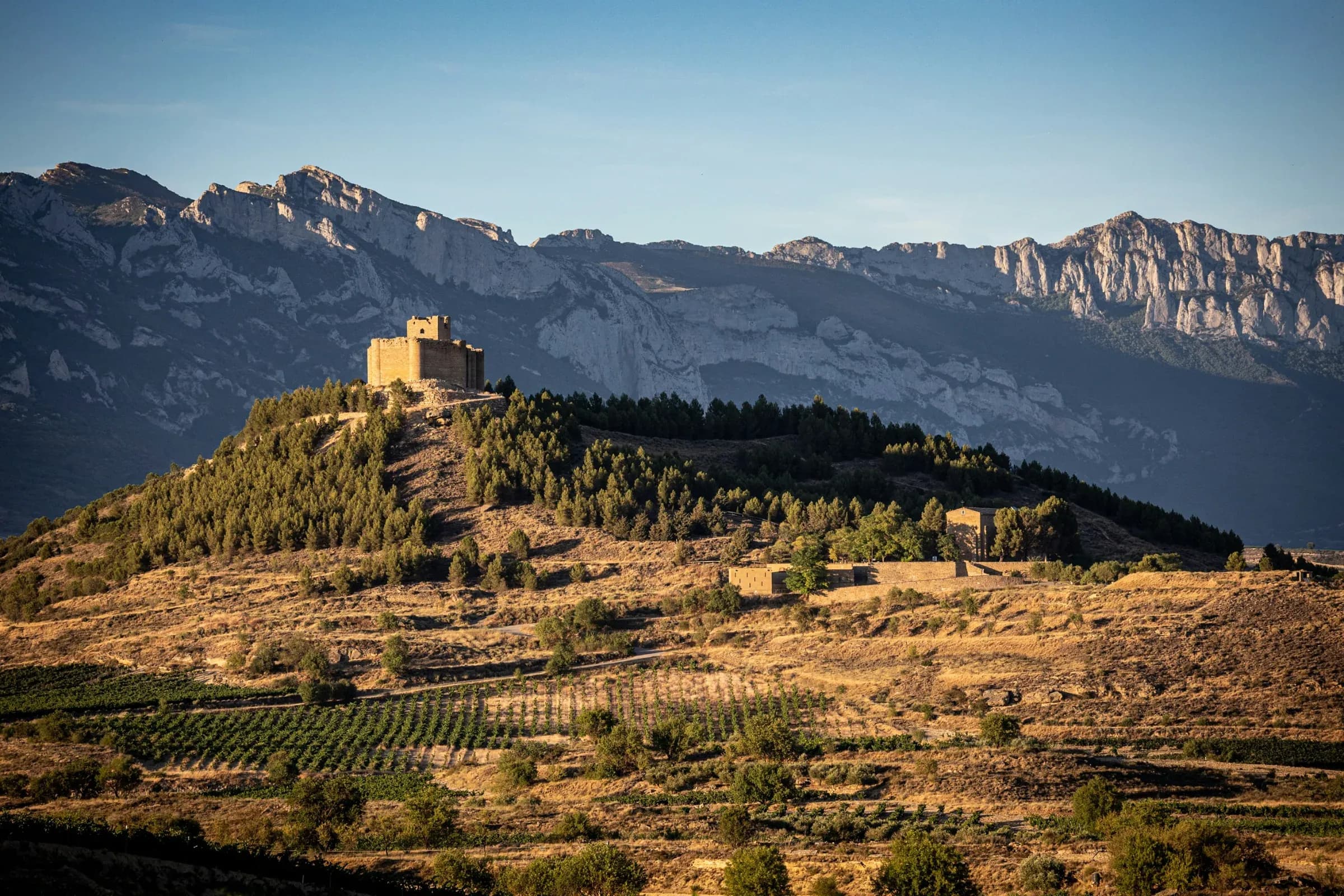
Rioja
Rioja, in north-central Spain, is a region of diverse climates and soils producing some of the country’s most refined red wines based on Tempranillo. Its classic style blends structure and elegance, aged in oak to develop signature notes of spice, leather, and dried fruit, while modern producers focus on fresh fruit and terroir expression. From the cool, graceful wines of Rioja Alta and Alavesa to the warm, generous Garnacha reds of Rioja Oriental, the region remains the benchmark for Spanish fine wine.
Region SpotlightGrenache
Grenache, known as Garnacha in Spain, is a black grape that thrives in warm, dry, Mediterranean climates and produces generous, fruit-driven red wines. It’s the heart of southern Rhône blends like Châteauneuf-du-Pape, as well as a key grape in Spain’s Priorat and Australia’s Barossa Valley, showing flavours of red berries, spice, and herbs. Naturally soft and full-bodied, Grenache is valued for its warmth, charm, and resilience in the face of a changing climate.
Grape Variety in FocusSyrah
Syrah, known as Shiraz in warmer regions, is a versatile red grape that produces wines ranging from peppery and elegant to rich and powerful. It thrives in warm, sunny climates with cool nights and is the source of many iconic styles — from the floral, savoury wines of France’s Northern Rhône to the plush, chocolatey Shiraz of Australia. Recognised for its deep colour, spice, and firm tannins, Syrah remains one of the world’s great grapes for expressing both terroir and winemaking style.
Grape Variety in Focus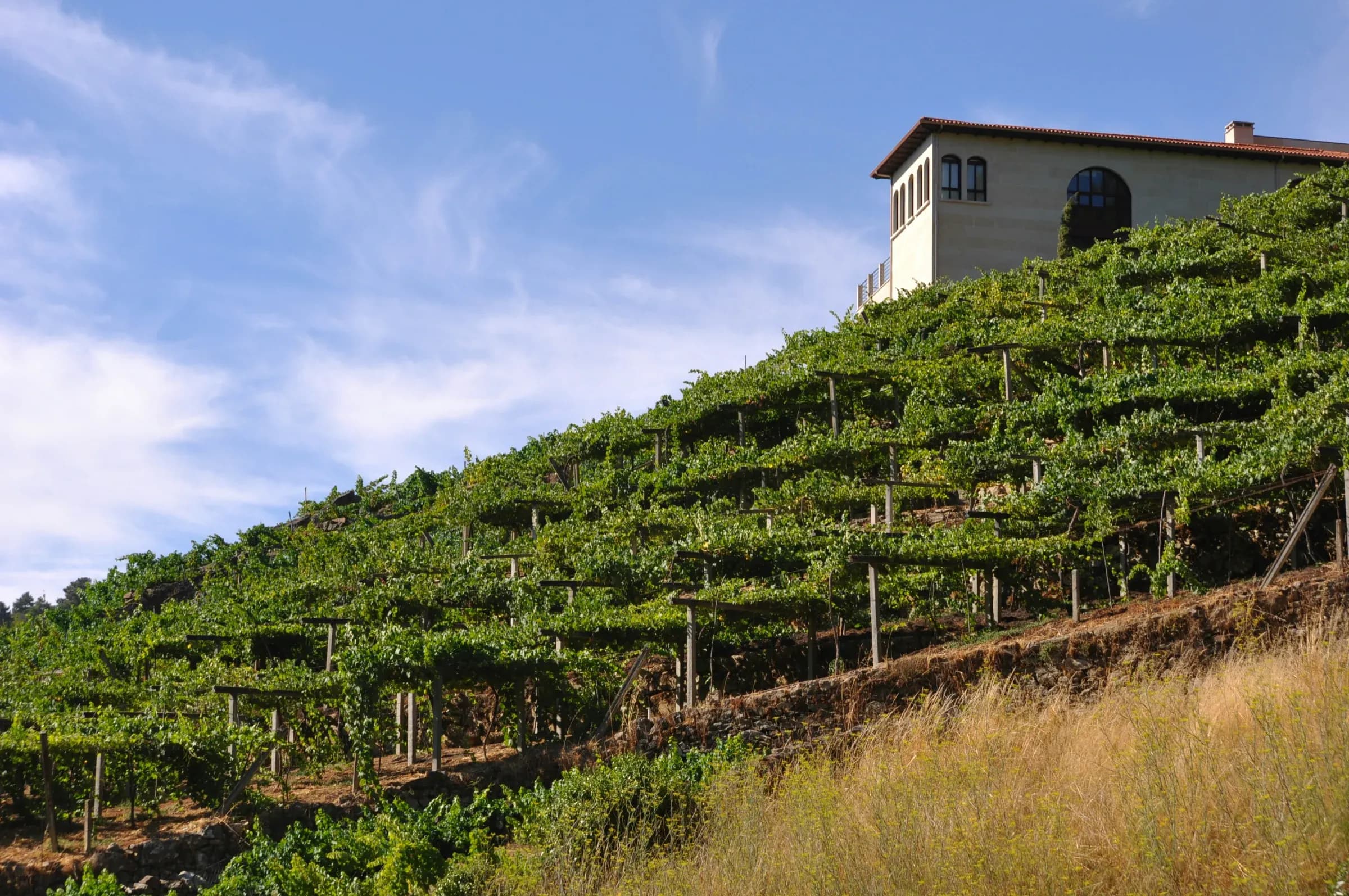
Galicia Beyond Rías Baixas
Inland Galicia, east of Rías Baixas, produces distinctive wines shaped by steep slate terraces and Atlantic–continental climates. Here, Godello gives structured, mineral whites while Mencía creates elegant, aromatic reds, joined by local grapes such as Treixadura, Brancellao, and Sousón. Together, the regions of Ribeira Sacra, Valdeorras, Monterrei, and Ribeiro showcase Spain’s new frontier for fine, cool-climate wines combining freshness, texture, and authenticity.
Region Spotlight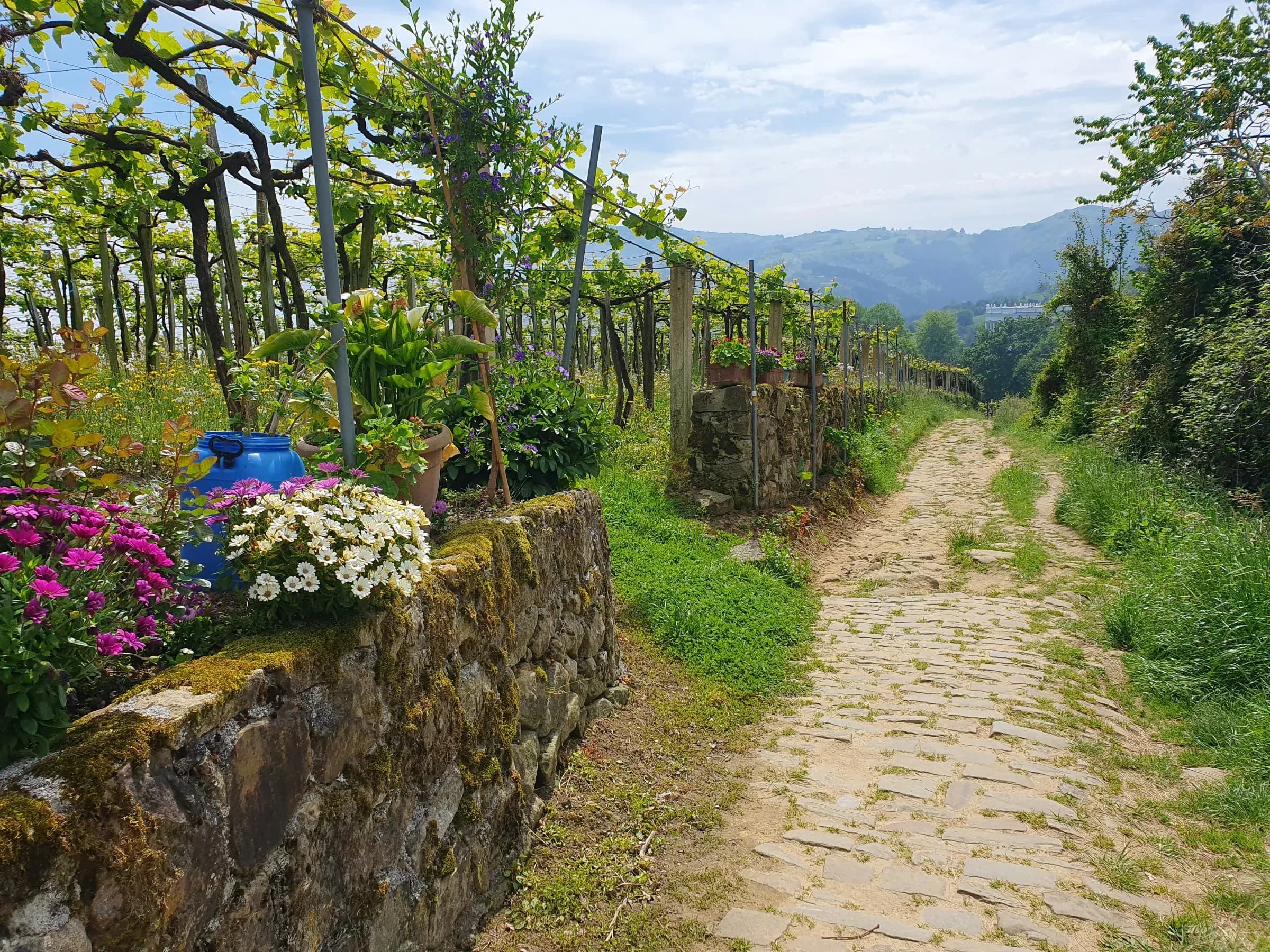
Rías Baixas
Rías Baixas, in Galicia on Spain’s cool Atlantic coast, is famous for Albariño, producing crisp, aromatic white wines with vibrant acidity and saline freshness. Its granite soils and humid maritime climate give wines a distinctive purity, often showing citrus, peach, and subtle mineral notes. Today the region is expanding stylistically, with lees-aged and single-vineyard Albariños, a small but growing red-wine movement, and rising global recognition for its expressive Atlantic character.
Region Spotlight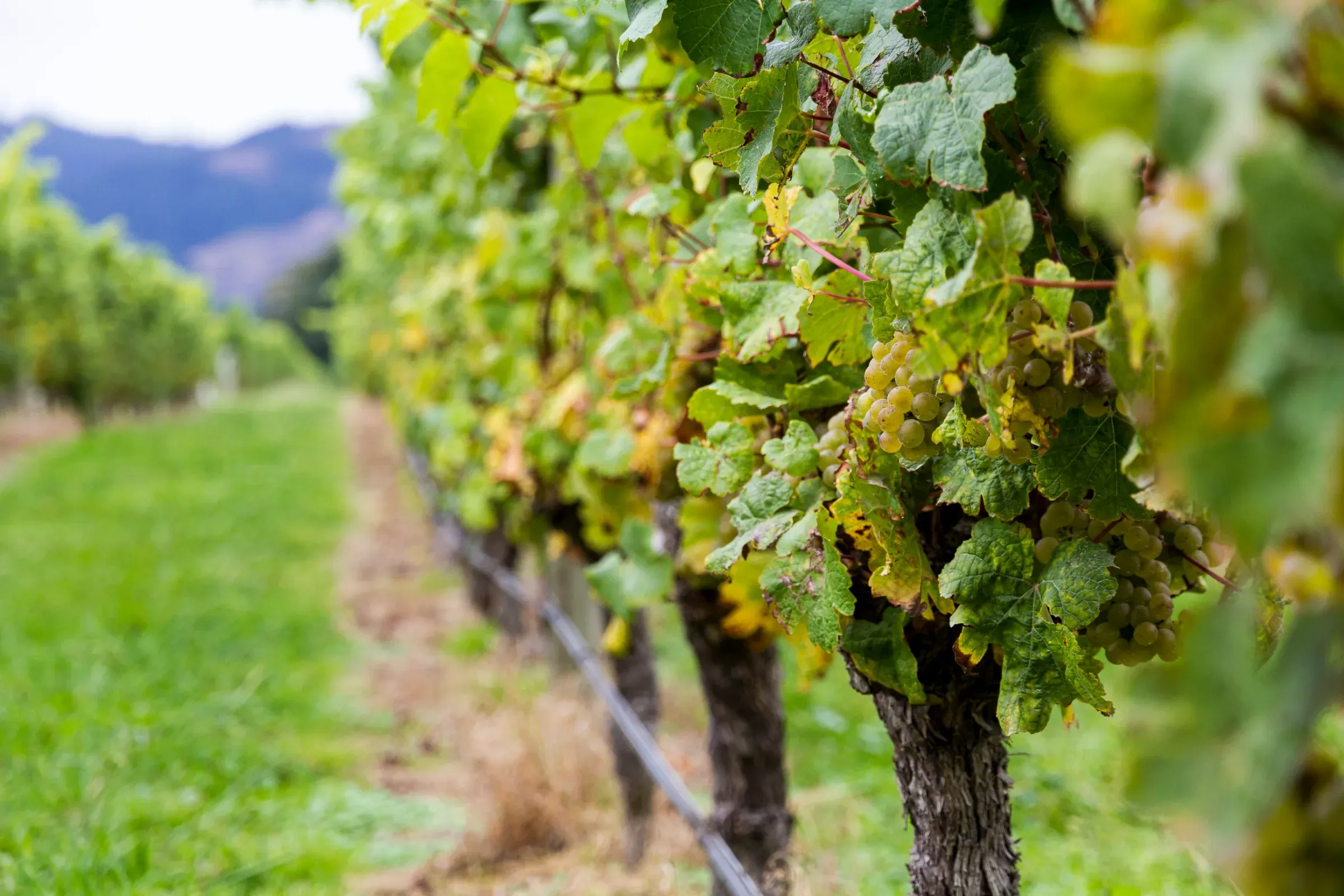
Sauvignon Blanc
Sauvignon Blanc is a high-acid white grape known for its vivid aromatics, ranging from citrus and green herbs in cool climates to tropical fruit in warmer regions. Its naturally high acidity and low phenolics make it best suited to stainless-steel fermentation, though some regions use oak or lees ageing to add texture and complexity. Classic expressions include the zesty, mineral wines of the Loire Valley, the intensely aromatic styles of Marlborough, and riper, fuller examples from Bordeaux and California.
Grape Variety in Focus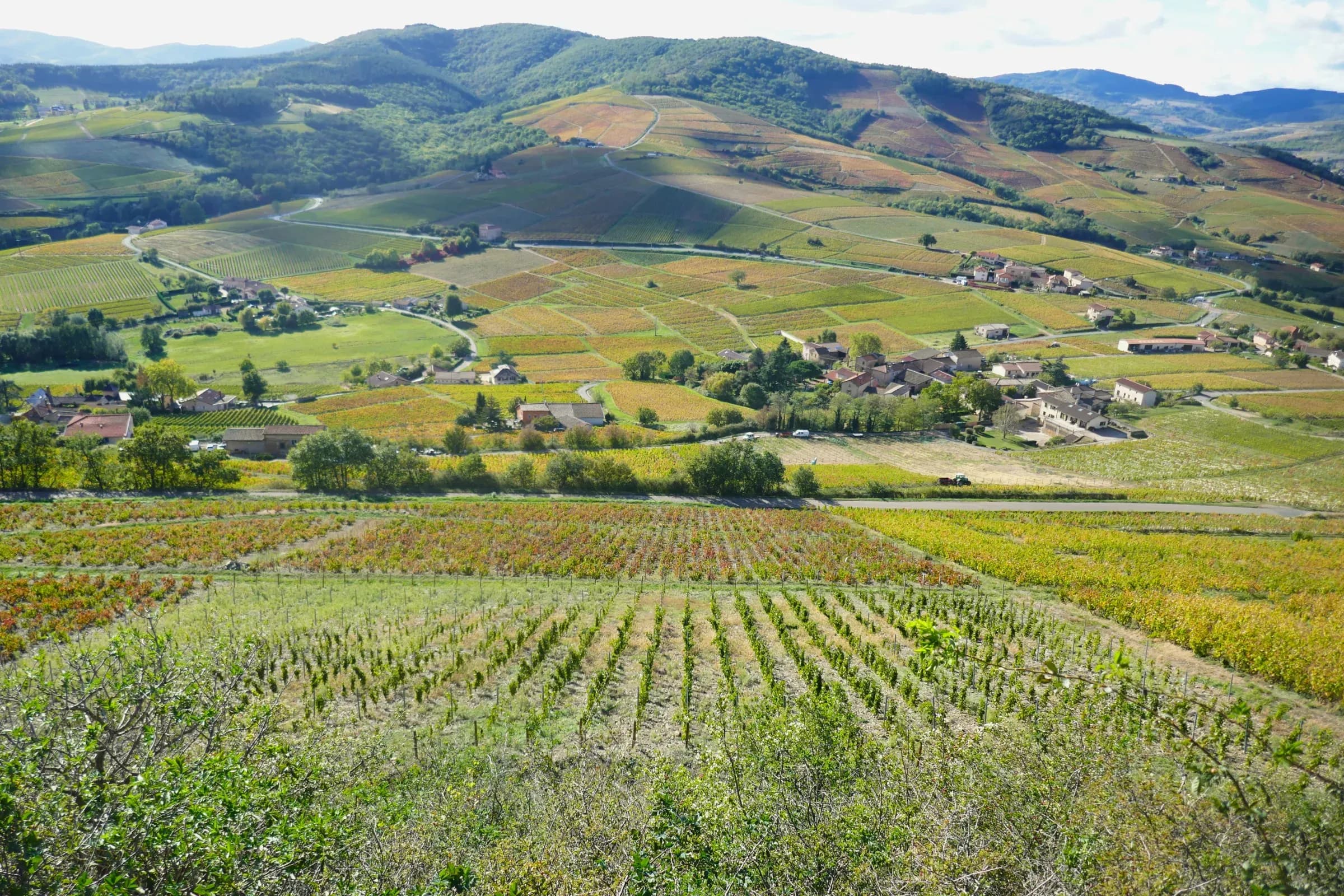
Beaujolais Spotlight
Beaujolais, located between Burgundy and the northern Rhône, is known for its fresh, vibrant red wines made mainly from the Gamay grape. Its granite soils and cool climate produce wines that range from light and fruity to complex, structured crus capable of ageing. From the simple charm of Beaujolais Nouveau to the depth of Morgon and Moulin-à-Vent, the region offers expressive, food-friendly wines full of character and energy.
Region Spotlight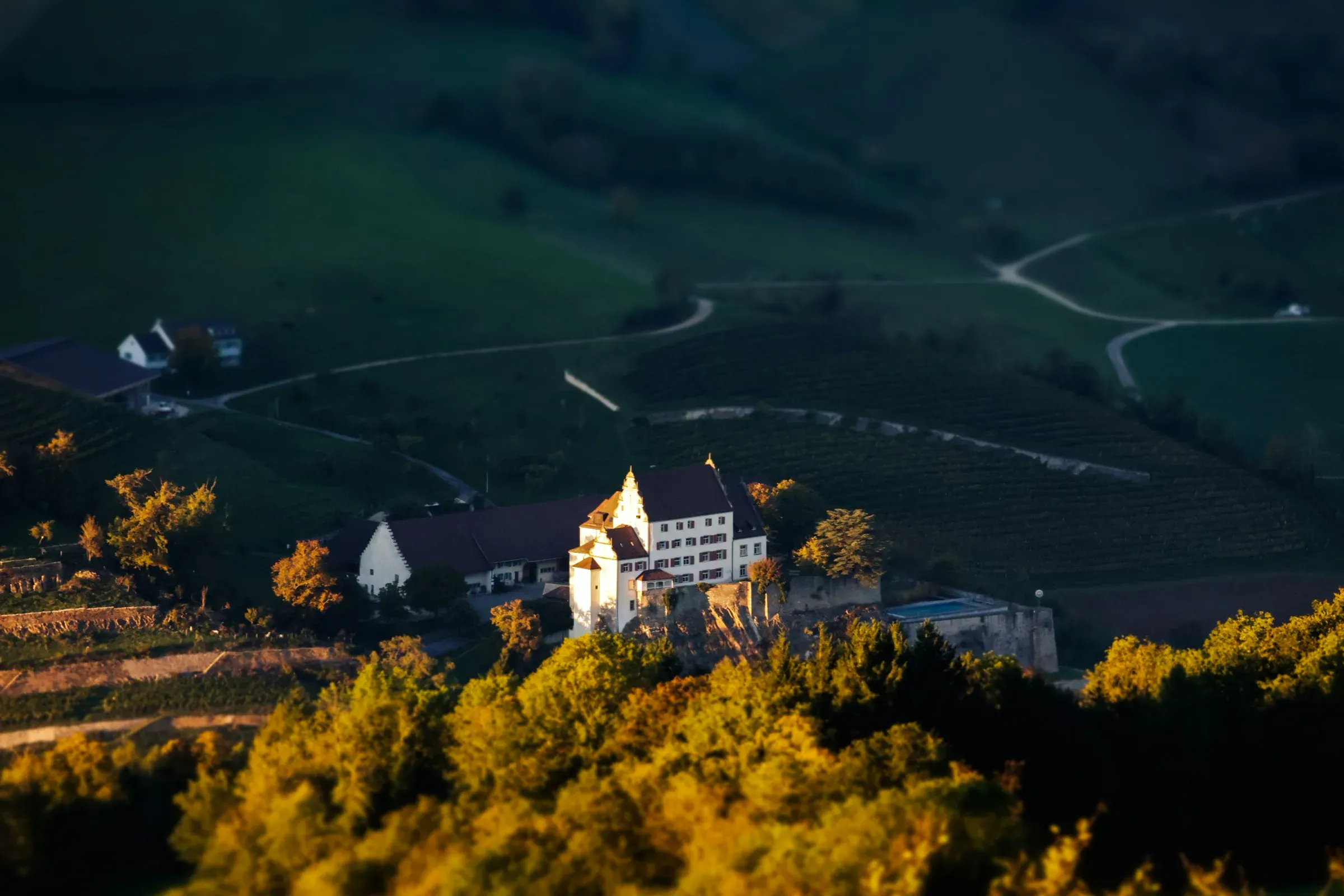
Jura & Savoie – France’s Alpine Wines
The Jura and Savoie are small, mountain wine regions in eastern France producing wines that combine freshness, precision, and strong local identity. Jura is known for its oxidative Savagnin wines such as Vin Jaune and delicate reds from Trousseau and Poulsard, while Savoie excels with crisp whites from Jacquère and Altesse and peppery Mondeuse reds. Both regions’ cool climates, limestone soils, and traditional winemaking create some of France’s most distinctive and terroir-driven wines.
Region Spotlight
Champagne Spotlight
Champagne, in northeast France, has a cool climate and chalky soils that give its wines freshness and finesse. It is made by the traditional method, creating bubbles and complex flavours through a second fermentation in bottle. A blend of Pinot Noir, Chardonnay, and Meunier defines styles ranging from crisp non-vintage wines to rich vintage and rosé cuvées.
Region Spotlight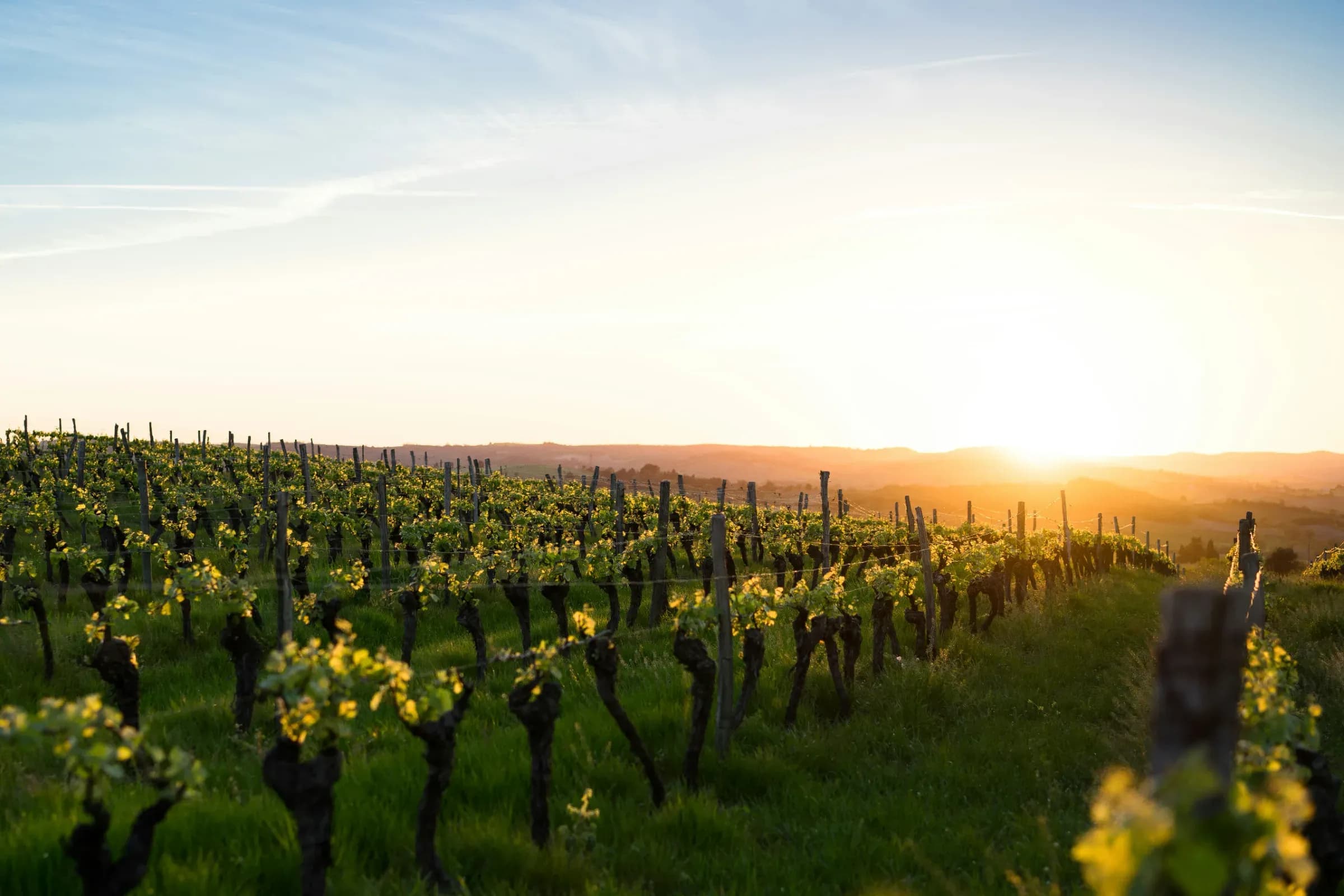
South - West France
The South-West of France is a diverse region stretching from Bordeaux to the Pyrenees, known for its local grape varieties and wide range of wine styles. Its mix of maritime, continental, and mountain climates creates everything from rich reds like Cahors Malbec to aromatic whites and sweet Jurançon wines. This is one of France’s most distinctive regions, where tradition and individuality still define the wines.
Region Spotlight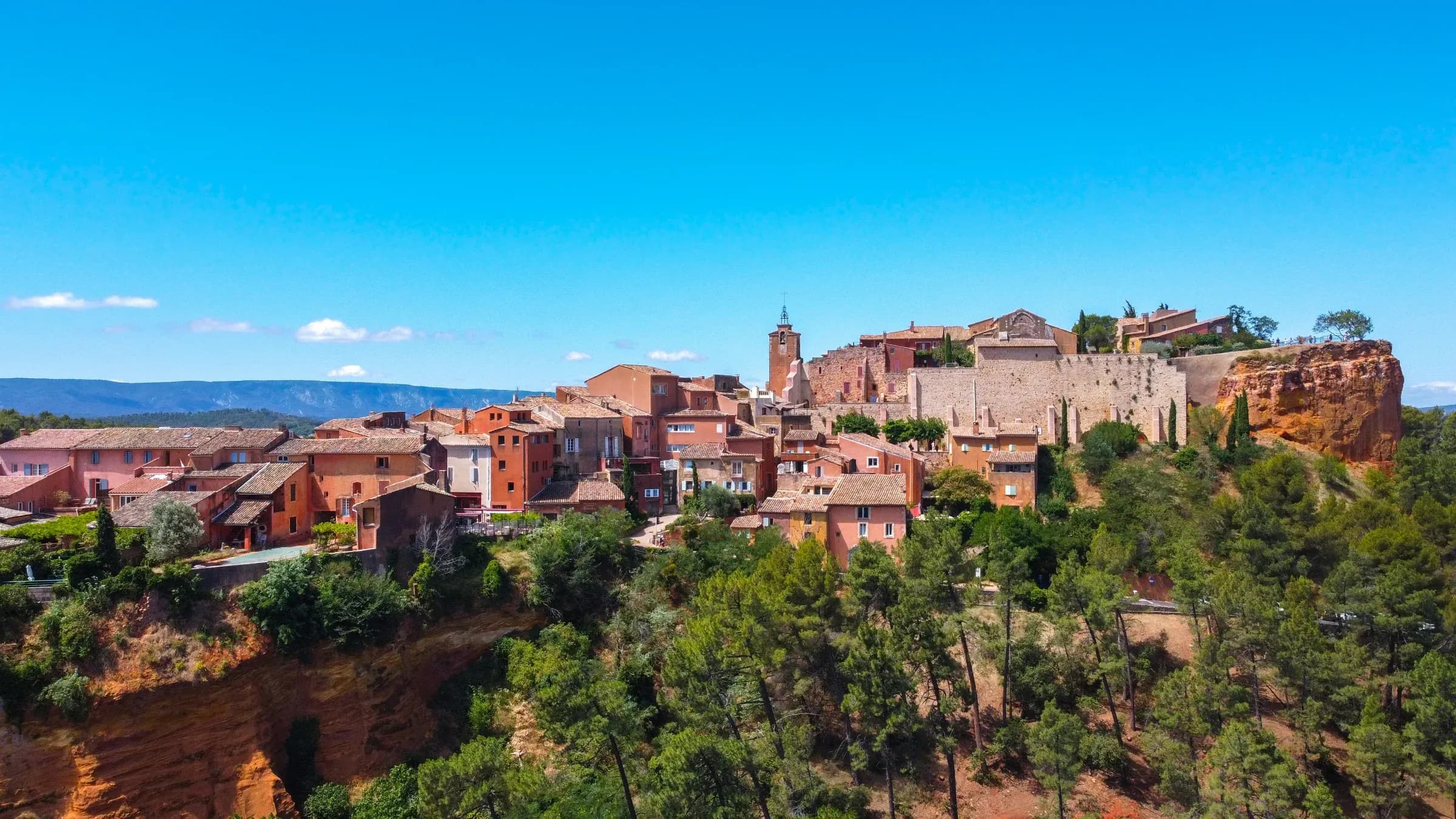
South of France Part II
The Languedoc and Roussillon form France’s largest and sunniest wine region, producing everything from fresh whites to powerful red blends. Their Mediterranean climate and diverse soils allow grapes like Grenache, Syrah, Mourvèdre, and Picpoul to thrive. The region is also home to France’s famous fortified sweet wines (VDNs), such as Banyuls, Maury, and Muscat de Rivesaltes.
Region Spotlight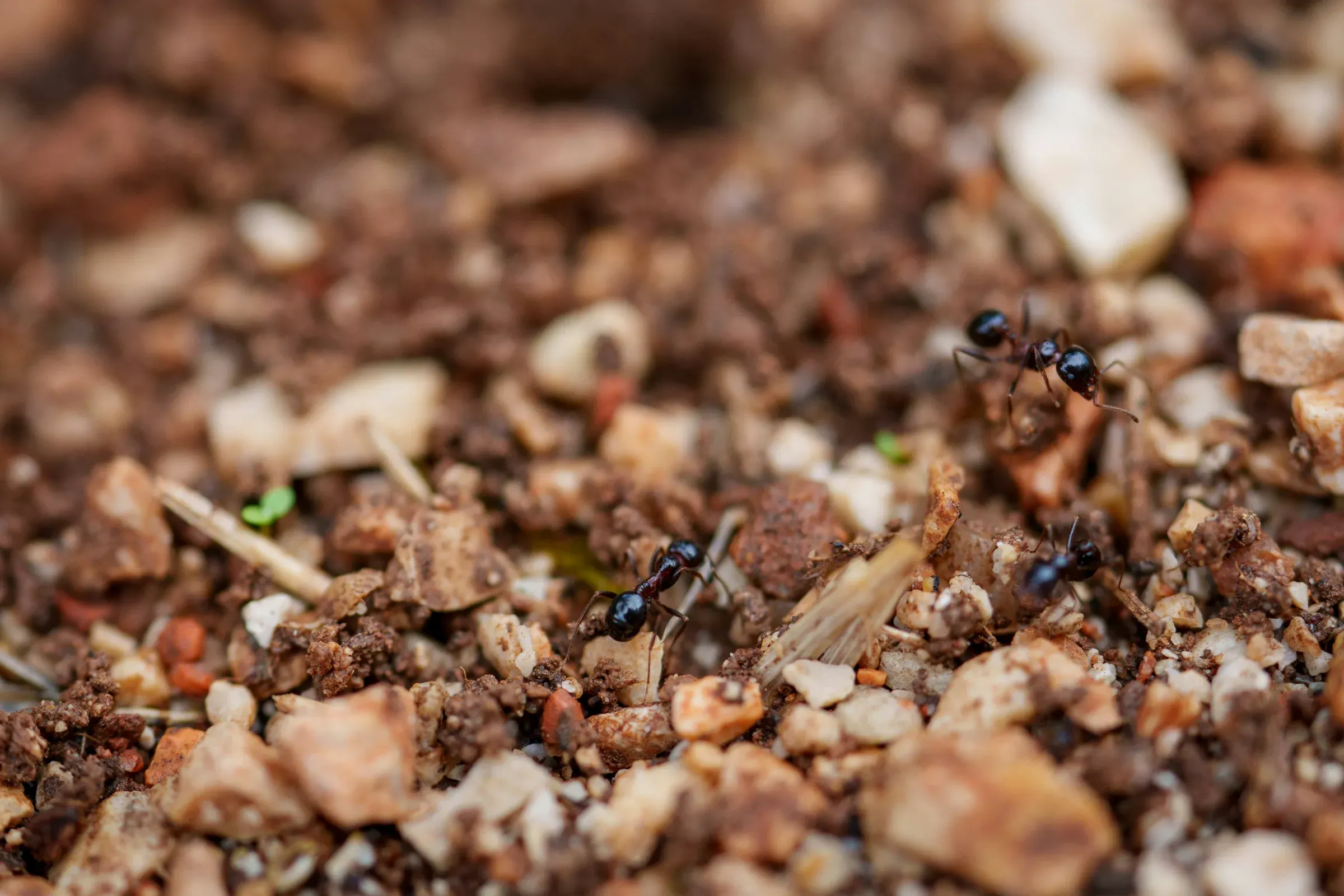
Dirty Secrets: What Lies Beneath the Vine
Soil shapes how vines grow by controlling water, nutrients, and stress, which influence ripeness and balance. From limestone to volcanic ash, each soil type creates conditions that guide a wine’s structure and style. The best soils let vines work just hard enough to produce fruit with depth, freshness, and harmony.
Deep Dive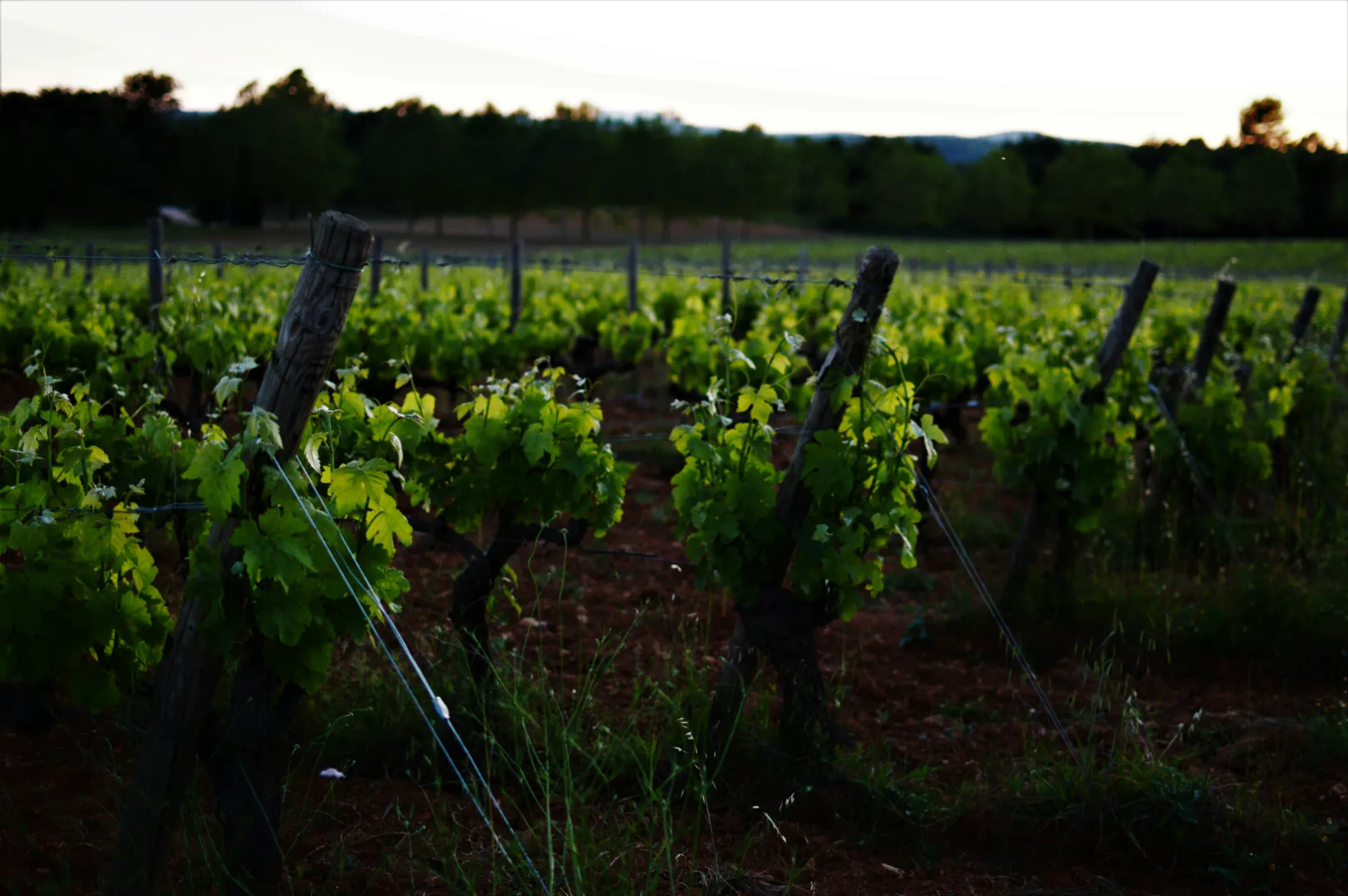
South of France Part I
Provence and Corsica capture the Mediterranean balance of sun, sea, and stone, producing wines that combine freshness with elegance. From Bandol’s structured Mourvèdre reds to Provence’s pale rosés and Corsica’s bright Vermentino whites, they show remarkable diversity and harmony. Rooted in tradition yet driven by sustainability, these regions define the refined face of southern French wine.
Region Spotlight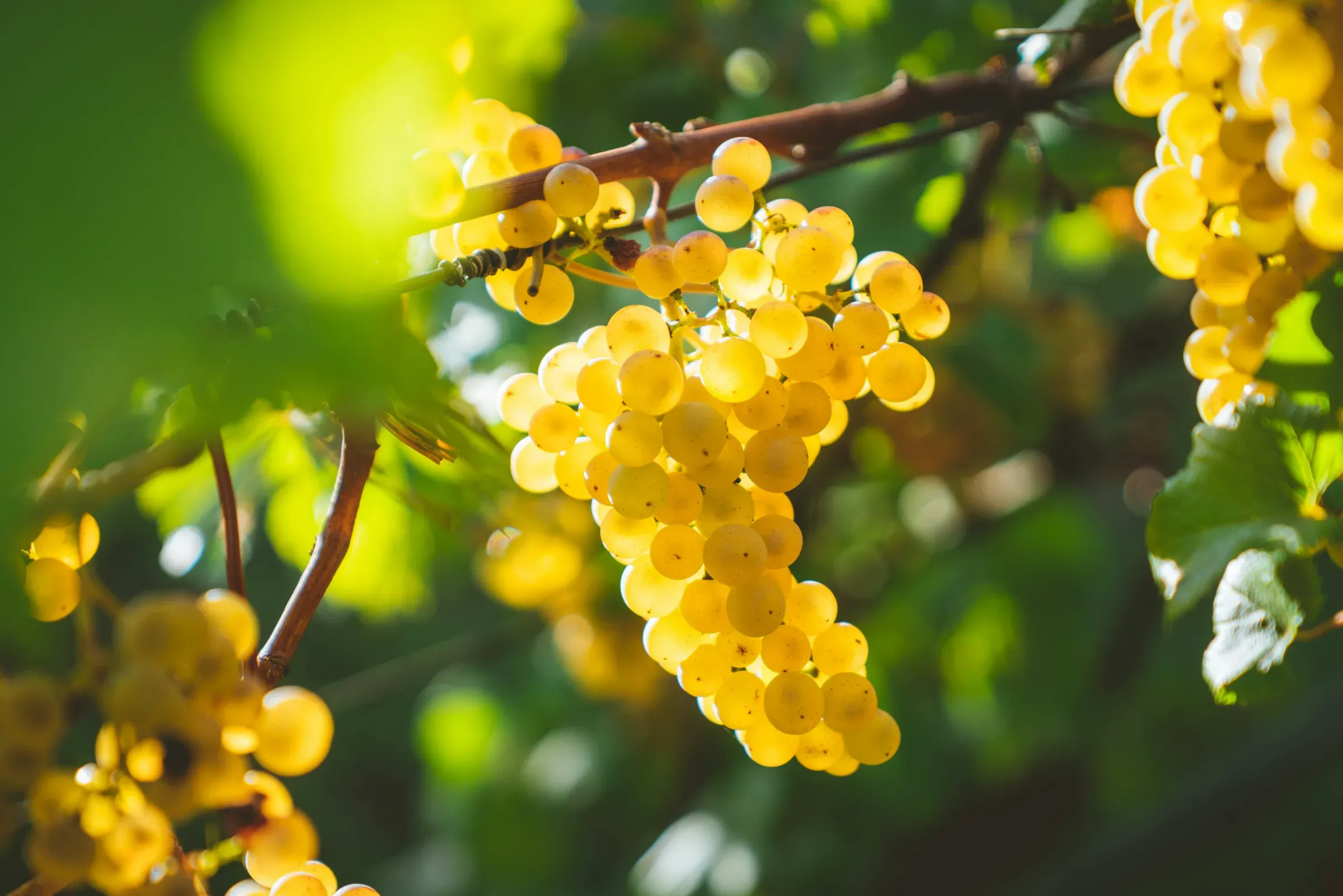
Chardonnay
Chardonnay is one of the world’s most adaptable grapes, producing wines from crisp and mineral to rich and oaked depending on climate and technique. Its neutral character reflects terroir and winemaking style, once leading to the “Anything But Chardonnay” backlash against heavy, buttery wines. Modern producers now favour freshness and balance, restoring Chardonnay’s reputation as the most versatile white grape.
Grape Variety in Focus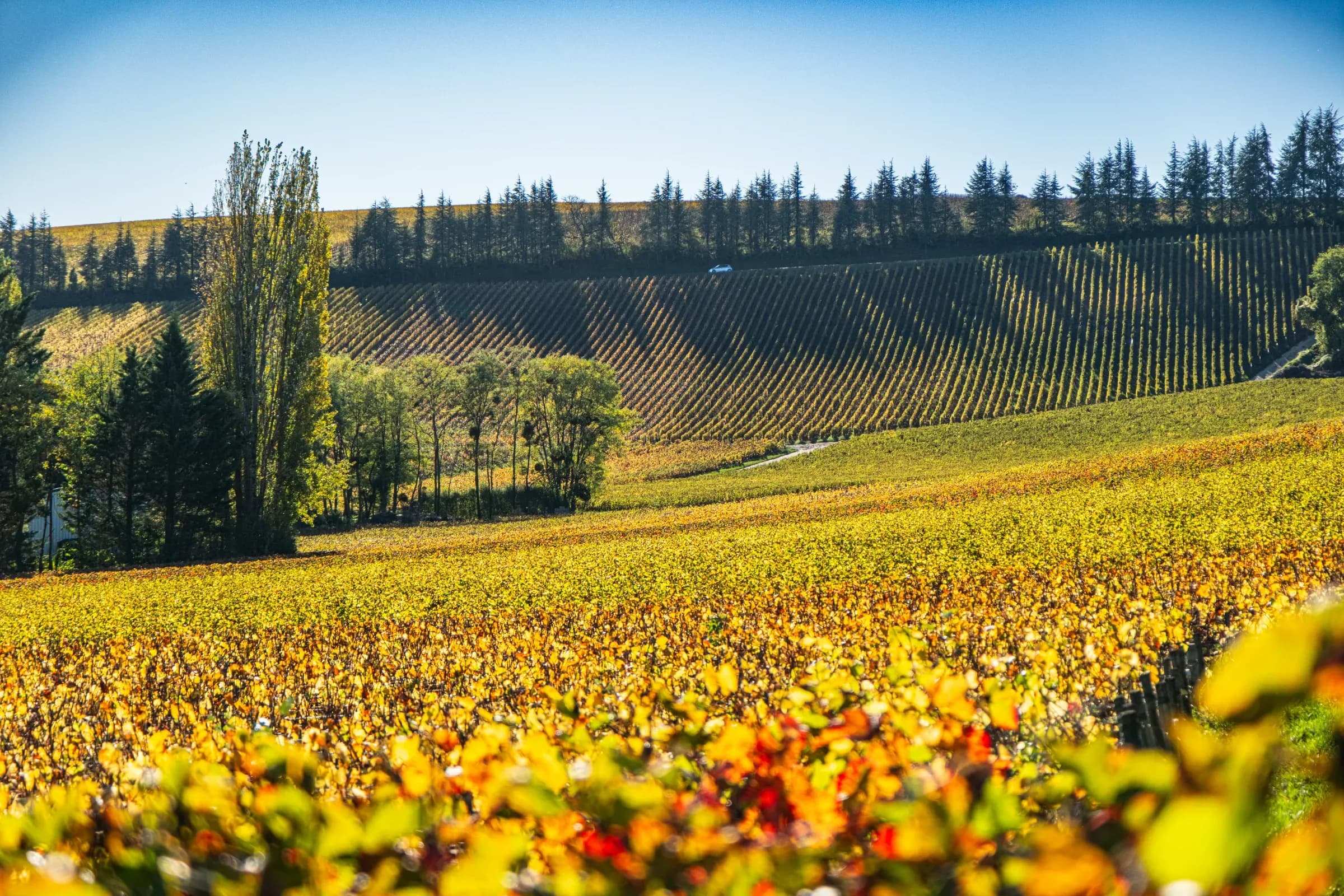
Loire Valley Spotlight
The Loire Valley stretches from the Atlantic coast to central France and produces almost every style of wine — from crisp dry whites to rosé, red, sparkling, and luscious sweet Chenin Blancs. Its diversity comes from changing climates and soils, with Melon de Bourgogne in Muscadet, Chenin Blanc in Anjou–Saumur and Touraine, and Sauvignon Blanc in Sancerre and Pouilly-Fumé. This combination of cool-climate freshness, regional character, and stylistic variety makes the Loire one of France’s most expressive and food-friendly wine regions.
Region Spotlight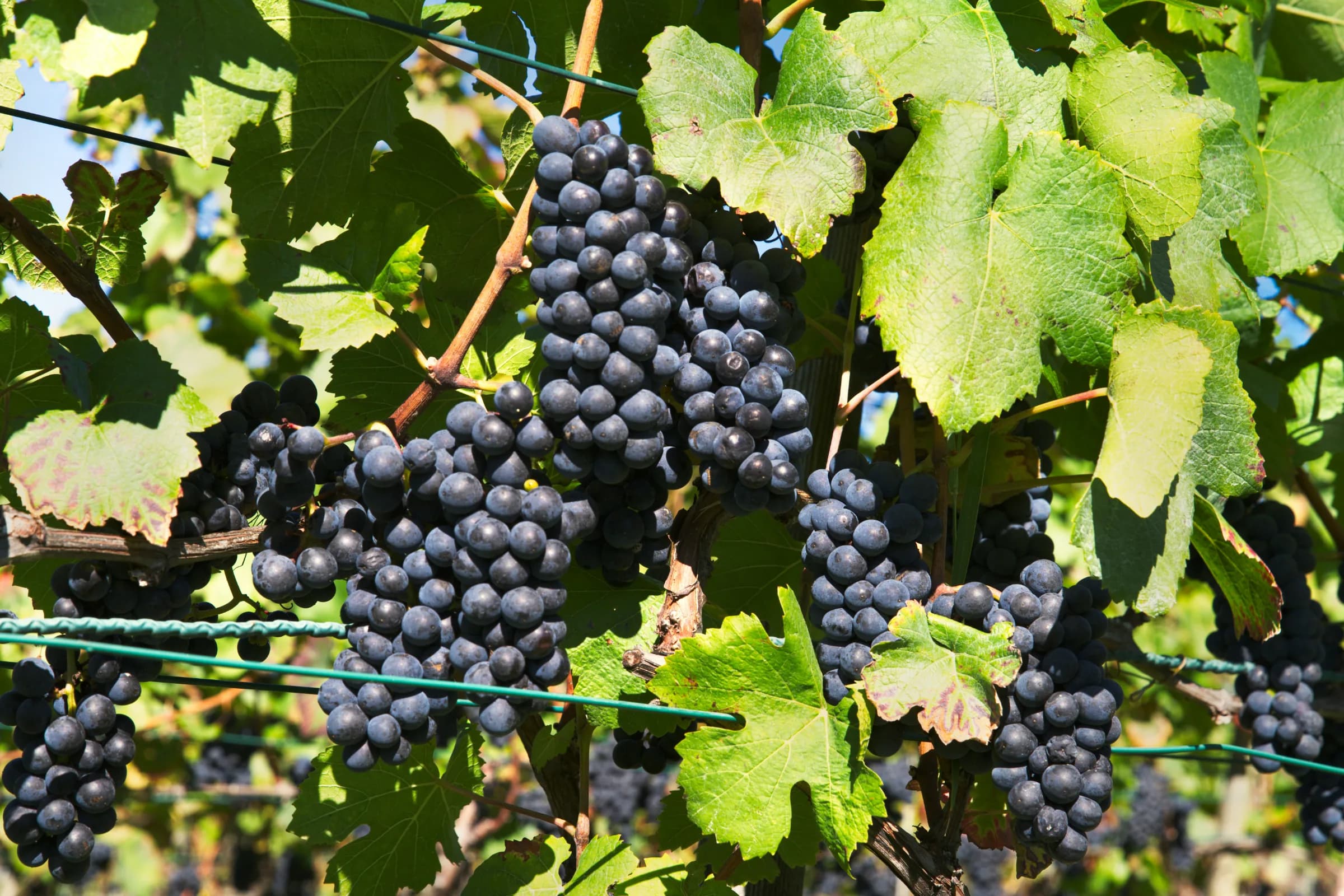
Pinot Noir
Pinot Noir is a thin-skinned, early-ripening grape that thrives in cool climates and is prized for producing wines with fine tannins, high acidity, and delicate aromas of red fruit, flowers, and spice. It is highly sensitive to site and climate, expressing terroir more clearly than almost any other red grape — from the elegance of Burgundy and Alsace to the vibrant styles of Oregon, New Zealand, and beyond. Its enduring appeal lies in this transparency, fragrance, and finesse, making it both a challenge for growers and a benchmark of beauty for wine lovers worldwide.
Grape Variety in Focus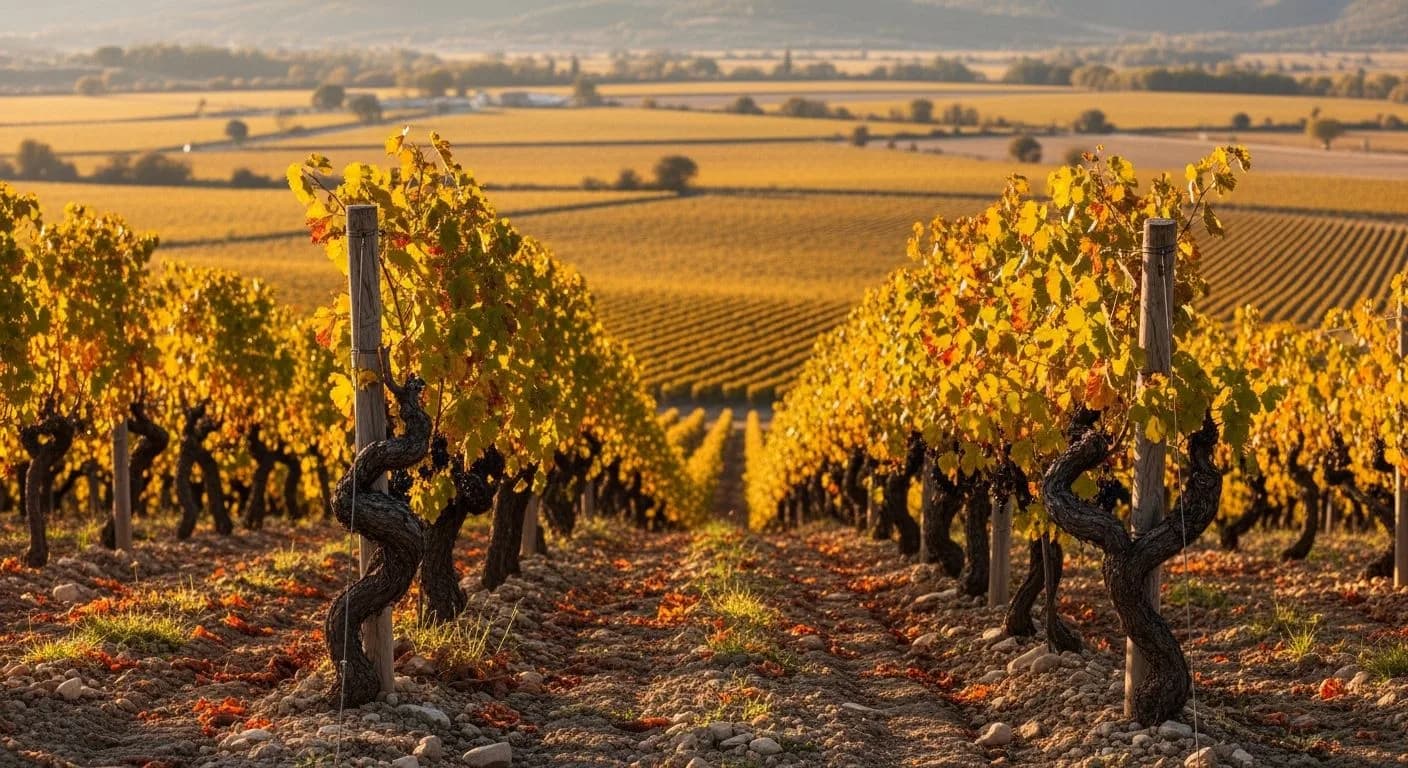
Southern Rhone Spotlight
The Southern Rhône is known for its warm Mediterranean climate, sun-soaked vineyards, and a wide variety of wine styles. It produces rich, Grenache-based red blends, distinctive full-bodied rosés like Tavel, and sweet or sparkling specialties such as Muscat de Beaumes-de-Venise and Clairette de Die. Together, these wines express the region’s hallmark combination of ripe fruit, spice, and southern warmth, making the Southern Rhône one of France’s most versatile and characterful wine regions.
Region Spotlight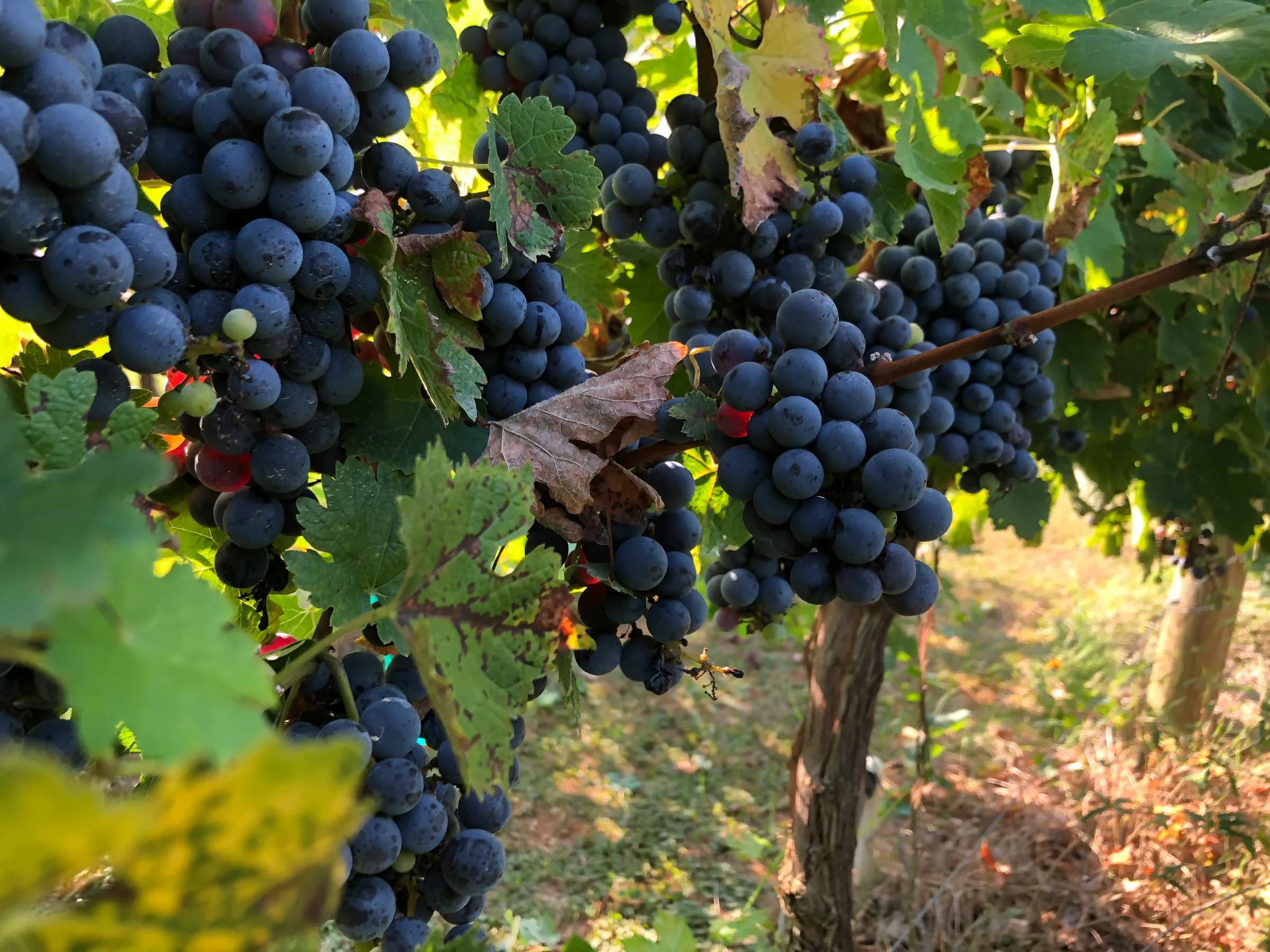
Cabernet Sauvignon
Cabernet Sauvignon is the world’s most important red wine grape, producing deeply coloured, full-bodied wines with firm tannins and great ageing potential. It thrives in moderate to warm climates and expresses local terroir while maintaining its signature blackcurrant and cedar character. From Bordeaux to California, Chile, and beyond, it defines what many consider the benchmark for fine red wine.
Grape Variety in Focus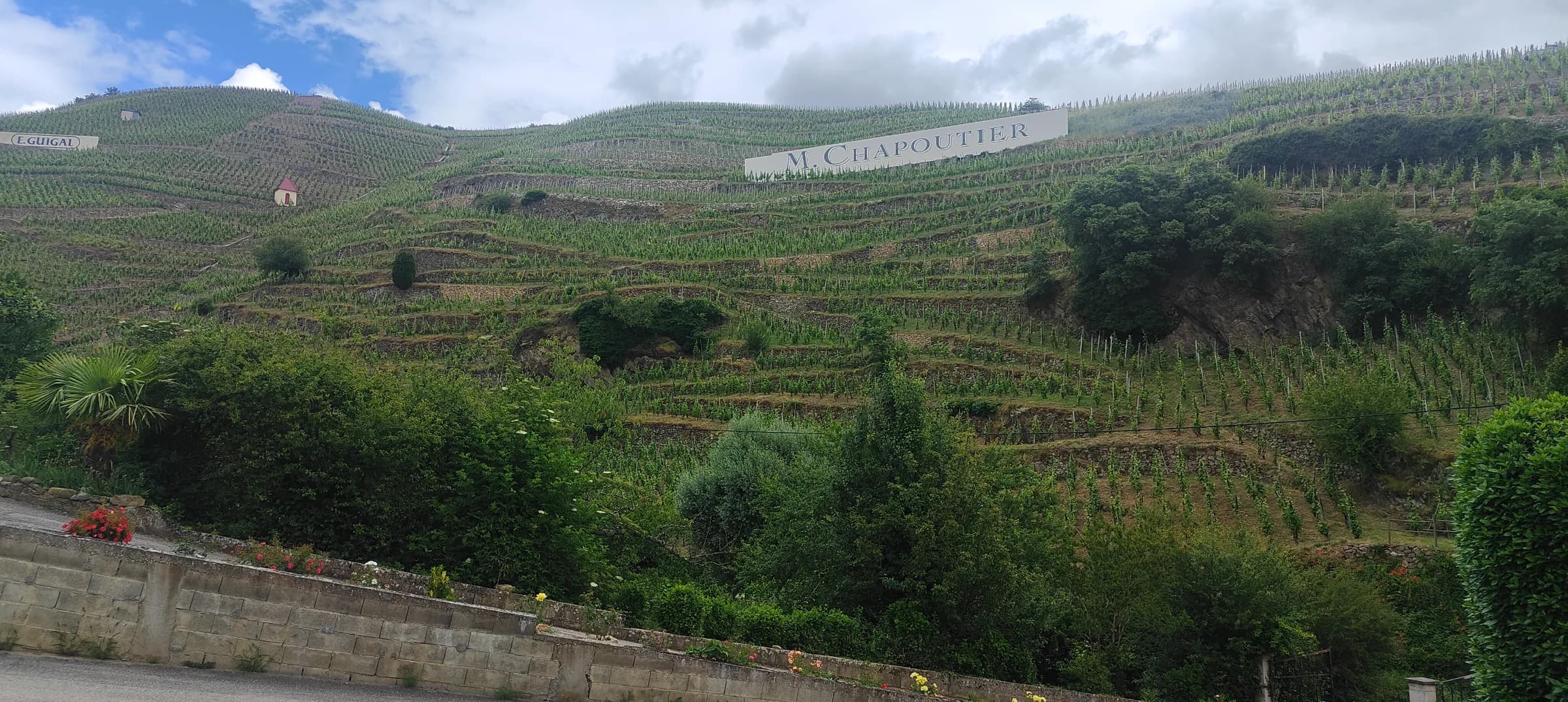
Northern Rhone Spotlight
Northern Rhône lies in southeastern France, running along the Rhône River between Vienne and Valence. It’s a small but famous area with steep hillside vineyards and a continental climate—cold winters, warm summers, and dry autumns. A strong wind called the Mistral keeps vines healthy but can damage young shoots.
Region Spotlight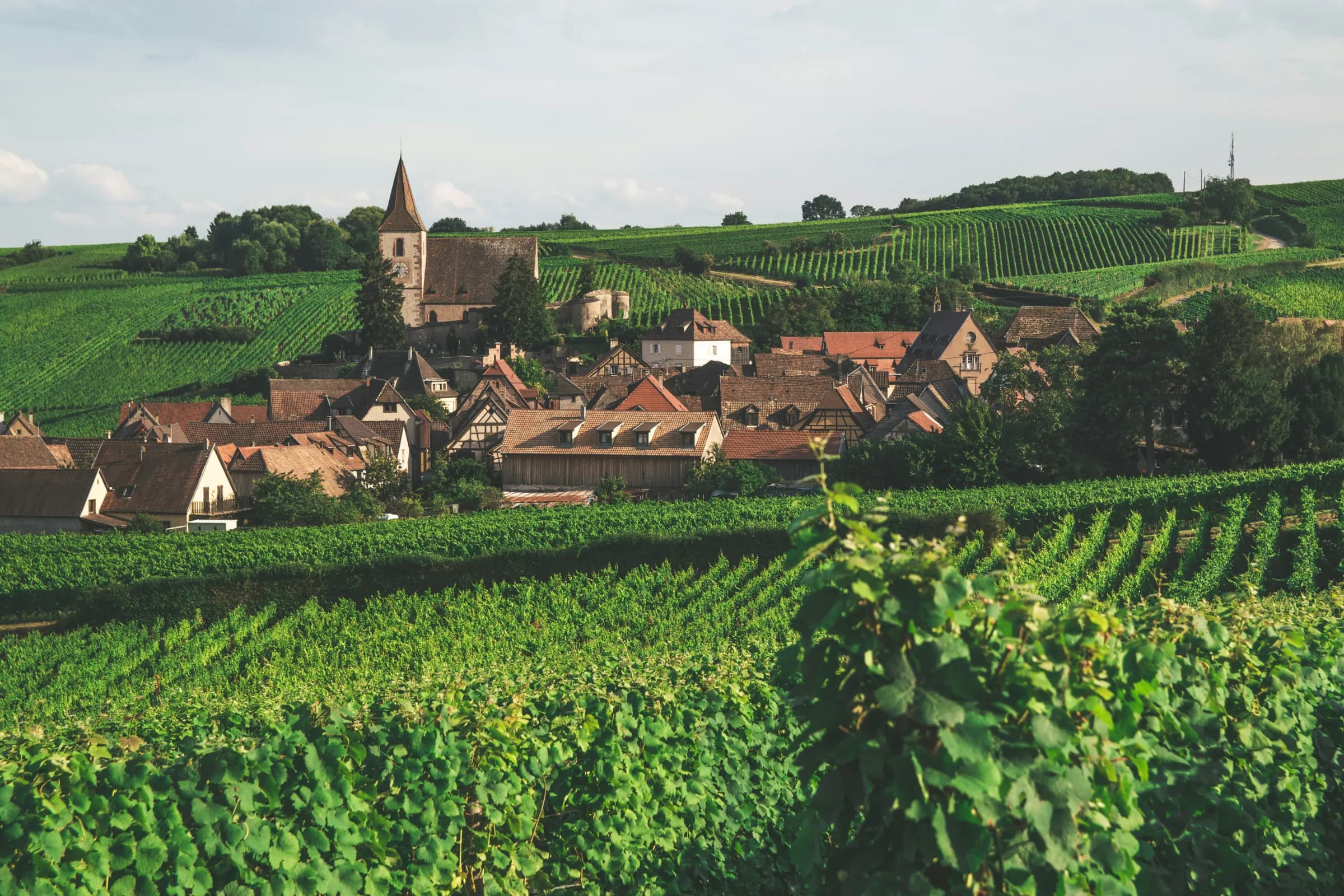
Alsace Spotlight
Alsace is a beautiful wine region in northeastern France, between the Vosges Mountains and the Rhine River near Germany. The mountains protect it from rain, making it one of the driest and sunniest parts of France.
Region Spotlight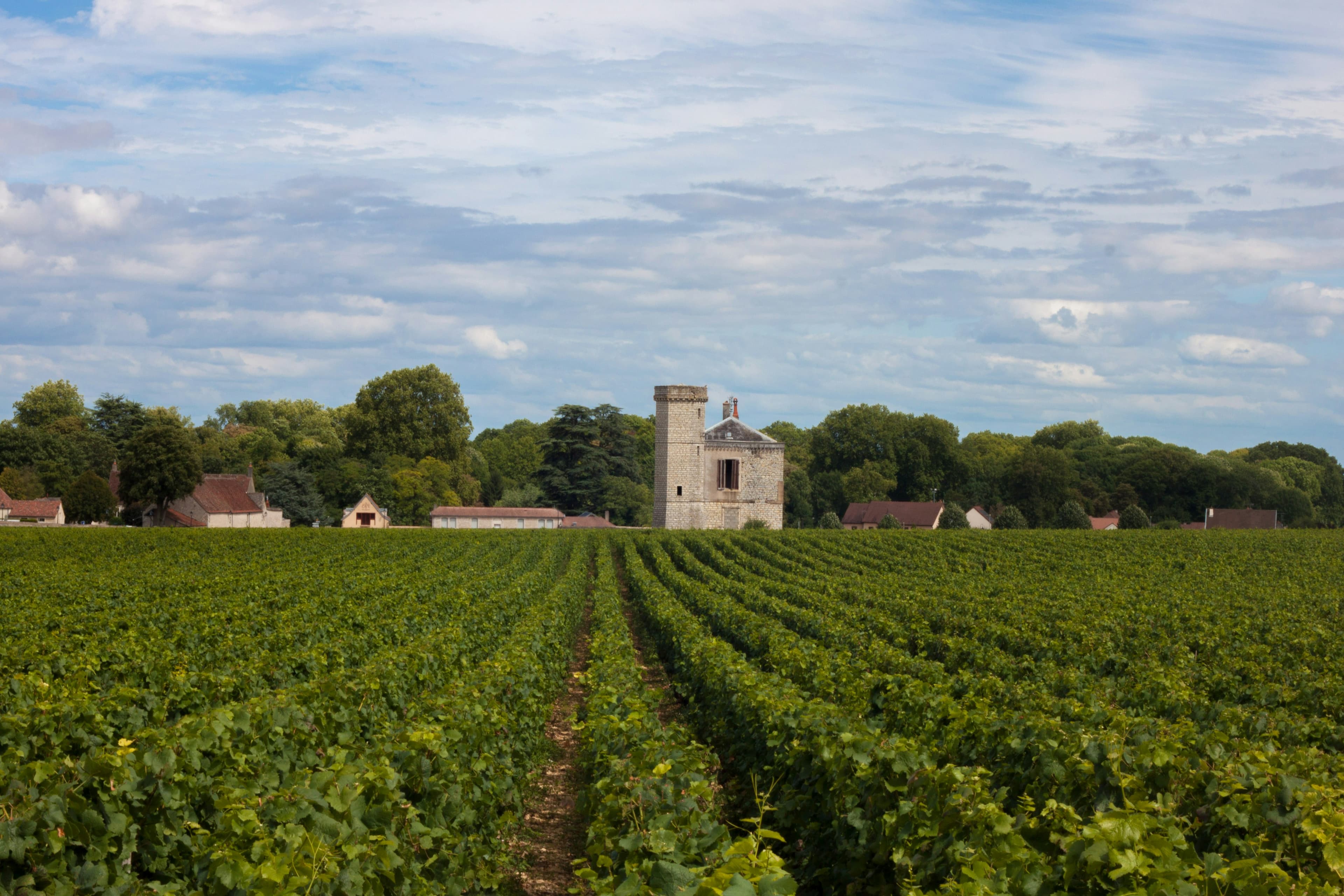
Burgundy Spotlight
One of France’s most famous wine regions. It runs through eastern France, from Chablis in the north to the Mâconnais in the south. The area has a cool continental climate — cold winters and warm summers — which helps grapes ripen slowly and develop bright flavours...
Region Spotlight
Bordeaux Spotlight
Bordeaux is one of the world’s most famous wine regions. It lies in the southwest of France, near the Atlantic Ocean. The area has a mild, fairly wet climate. This helps grapes ripen slowly and develop flavour, but the rain also means growers must watch carefully for vine diseases and rot.
Region Spotlight