Chenin Blanc
Chenin Blanc
1. Overview
Chenin Blanc is one of the world’s most versatile and ageworthy white grape varieties.
It originated in the Loire Valley of France and today thrives in both cool and warm climates, producing wines that range from bone-dry and taut to opulently sweet and sparkling.
Its hallmarks are high natural acidity, strong terroir expression, and remarkable adaptability across styles and regions.
2. Grape Characteristics
| Parameter | Chenin Blanc |
|---|---|
| Colour | White |
| Budding / Ripening | Early bud; mid–late ripening |
| Vigour & Yield | Vigorous; requires yield control for quality |
| Disease Sensitivity | Prone to botrytis (positive or negative), powdery mildew, and spring frost |
| Preferred Soils | Limestone, schist, flint, sandstone, granite |
| Vine & Wine Traits | Retains acidity even at high ripeness; flavours from green apple, quince, citrus (cool) to honey and tropical fruit (warm); develops wax and lanolin with age; exceptional longevity |
3. Major Growing Regions and Styles
France – The Loire Valley
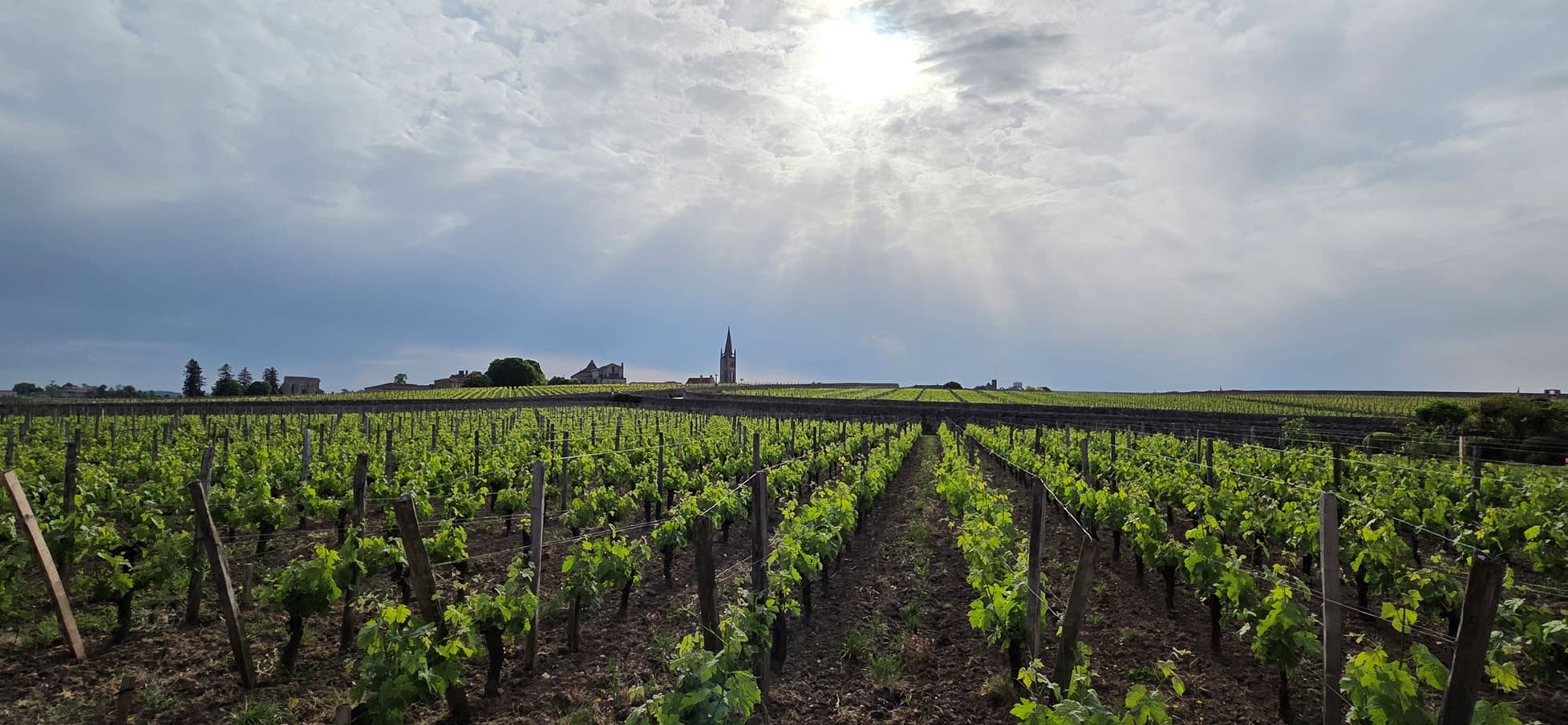
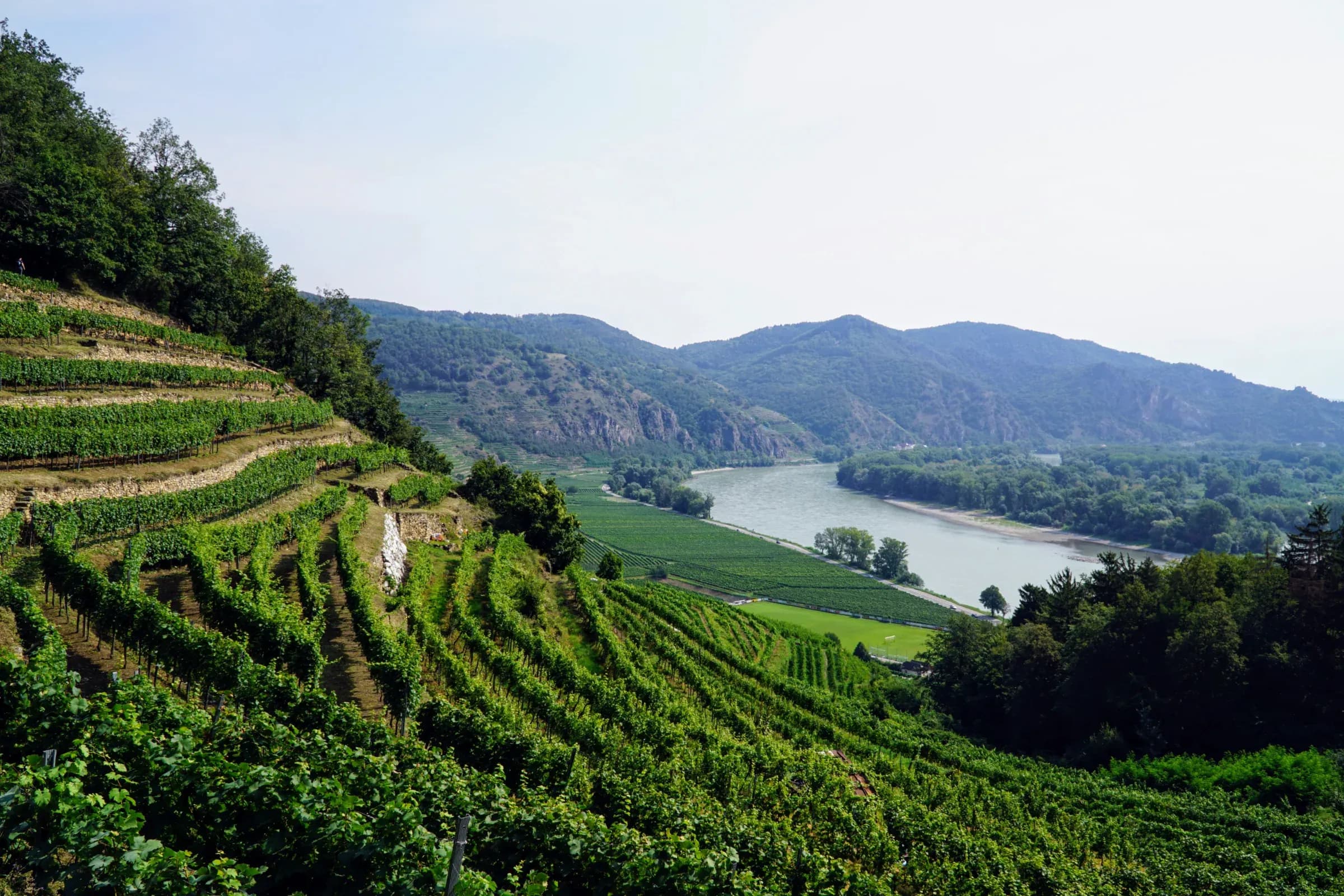
The heartland of Chenin Blanc (~9,500 ha) covers Anjou-Saumur and Touraine, with styles from dry to sweet and sparkling.
Climate: Cool to temperate continental
- Avg. growing-season temperature: 14–16 °C
- Rainfall: 600–750 mm/year
- Moderation from the Loire River, reducing frost risk
Soils:
- Tuffeau (limestone) – delicate, chalky wines with crisp acidity (Vouvray, Saumur)
- Schist and sandstone – dense, mineral dry wines (Anjou, Savennières)
- Flint and clay – fruitier, early-drinking wines (Touraine)
Appellations & Styles:
- Vouvray: Dry (sec), off-dry (demi-sec), sweet (moelleux), and sparkling; apple, honey, lanolin notes
- Savennières: Always dry; powerful, structured, flinty; long-lived
- Coteaux du Layon / Quarts de Chaume / Bonnezeaux: Sweet, botrytised; honey, marmalade, quince, high acidity
- Saumur & Anjou Mousseux / Crémant de Loire: Sparkling; crisp citrus and chalky minerality
Leading producers: Domaine Huet • Nicolas Joly (Coulée de Serrant) • Baumard • Clos Naudin (Foreau) • Domaine des Roches Neuves • Château Pierre-Bise
South Africa – The Modern Powerhouse
South Africa has the world’s largest Chenin Blanc area (~16,000 ha; ~18 % of its vineyard surface).
Once used mainly for brandy and bulk wine, it now anchors the country’s fine white wine revolution.
Climate: Mediterranean to warm continental
- Coastal regions (Stellenbosch, Swartland, Paarl): 15–20 °C average, 350–600 mm rainfall
- Dry summers; high diurnals preserve acidity
Soils: Granite, sandstone, shale, decomposed schist – poor and well-drained
Viticulture: Old, dry-farmed bush vines (many pre-1960) produce concentrated fruit
Regional Styles:
- Swartland: Old vines, granite soils; dry, textured, mineral, often blended with Semillon
- Stellenbosch: Riper fruit, barrel-fermented, balanced acidity
- Paarl / Wellington: Fuller, honeyed wines from warmer sites
- Breedekloof / Robertson: Fresh, fruit-driven styles
Key producers: Alheit Vineyards • Mullineux • Raats Family • Ken Forrester • David & Nadia • Beaumont • Stellenrust
Other Regions
- France (Languedoc): Small plantings in Limoux; bright, dry styles
- USA (California): ~1,200 ha in Clarksburg; dry, peach and honey-toned wines
- Australia: Margaret River, Adelaide Hills – dry, textural, barrel-aged
- New Zealand: Hawke’s Bay, Gisborne – crisp, aromatic, off-dry styles
- Chile & Argentina: Small volumes of tropical, unoaked Chenin
4. Viticulture and Production
Chenin thrives in both cool (Loire) and warm (South Africa) climates thanks to its ability to hold acidity even when fully ripe.
- Yields: 30–80 hl/ha; lowest for late-harvest and botrytised wines
- Harvest timing: Early for sparkling, mid for dry, late for sweet wines
- Botrytis: Beneficial when controlled; harmful if grey rot dominates
- Old vines: Deep roots enhance mineral complexity and drought resilience
Frost (Loire): Chenin’s early budding makes it vulnerable; river proximity and slope orientation are critical for protection.
Leafroll in South Africa:
Grapevine leafroll virus (GLRaV) is widespread in older Cape vineyards. It reduces vigour and delays ripening but can preserve acidity and moderate sugar levels, yielding moderate-alcohol wines with the citrus–lanolin character often seen as part of the Cape style.
The Old Vine Project (OVP) now catalogues vineyards ≥35 years old and promotes replanting with clean material to balance heritage character with vine health.
Sunlight & UV Management (Cape):
High UV intensity in regions like Swartland requires careful canopy shading to protect aromatic precursors and avoid phenolic bitterness.
5. Winemaking
- Fermentation: Stainless steel for freshness; large old oak or demi-muids for texture
- Temperature: 14–18 °C to preserve aromatics
- Lees Ageing: 3–12 months to add weight and complexity
- Malolactic Fermentation: Partial or full, depending on style
- Sweet Wines: Late-harvest or botrytised; fermentation stopped naturally or chilled
- Sparkling Wines: Traditional method (Crémant de Loire, Cap Classique) using Chenin’s natural acidity for balance
6. Regional Styles and Profiles
| Region | Style | Typical Traits | Alcohol / Acidity |
|---|---|---|---|
| Vouvray (Loire) | Dry → Sweet; Still & Sparkling | Apple, quince, honey, lanolin, chalky minerality | 11–13 % / High |
| Savennières (Loire) | Dry | Flint, smoke, structure, longevity | 13–14 % / High |
| Coteaux du Layon / Quarts de Chaume (Loire) | Sweet / Botrytised | Honey, apricot, marmalade, spice | 11–13 % / High |
| Swartland (SA) | Dry | Stone fruit, lanolin, saline, textured, old-vine complexity | 13–14 % / Med+ |
| Stellenbosch (SA) | Dry | Ripe fruit, gentle oak, balanced acidity | 13.5–14.5 % / Med+ |
| California (Clarksburg) | Dry | Peach, melon, soft acidity, honeyed edge | 12.5–14 % / Med |
7. Leading Producers
Loire Valley: Domaine Huet • Clos Naudin (Foreau) • Domaine des Baumard • Nicolas Joly (Coulée de Serrant) • Domaine des Roches Neuves • Château Pierre-Bise
South Africa: Alheit • Mullineux • Raats • Ken Forrester • David & Nadia • Beaumont • Stellenrust
Elsewhere: Dry Creek Vineyard (California) • Millton (New Zealand) • Voyager Estate (Australia)
8. Modern Trends & Innovations
- Old-Vine Preservation: South Africa’s Old Vine Project identifies and protects vineyards ≥35 years old
- Minimal-Intervention Winemaking: Wild ferments, longer lees contact, low sulfur, large neutral vessels
- Climate Adaptation: High-altitude and coastal sites used to maintain acidity
- Stylistic Refinement: Loire estates returning to dry terroir wines; South African producers focusing on texture and purity
- Recognition: Increasingly viewed as a fine-wine peer of Chardonnay and Riesling
9. Soil & Aromatic Correlation
- Tuffeau / Limestone (Vouvray, Saumur): Chalky tension, apple, quince
- Schist / Sandstone (Anjou, Savennières): Flinty, smoky, savoury minerality
- Granite / Shale (Swartland, Stellenbosch): Wax, lanolin, stone fruit, saline finish
10. Ageing Curves
Top dry Loire and Cape Chenins easily age 10–20+ years, developing aromas of honey, lanolin, baked apple, and toast while retaining acidity.
Botrytised Loire wines such as Quarts de Chaume and Bonnezeaux can cellar for decades.
11. Summary
Chenin Blanc combines acidity, texture, and range like few other grapes.
From the limestone caves of Vouvray to the granite hills of Swartland, it reflects its terroir with precision — crisp and tensile in cool climates, waxy and savoury in warm ones.
Leafroll-affected old vines remain part of the Cape story even as clean replanting advances, and worldwide, Chenin continues to prove itself a fine-wine classic with unmatched versatility and ageing potential.
Check your knowledge
Expert quiz