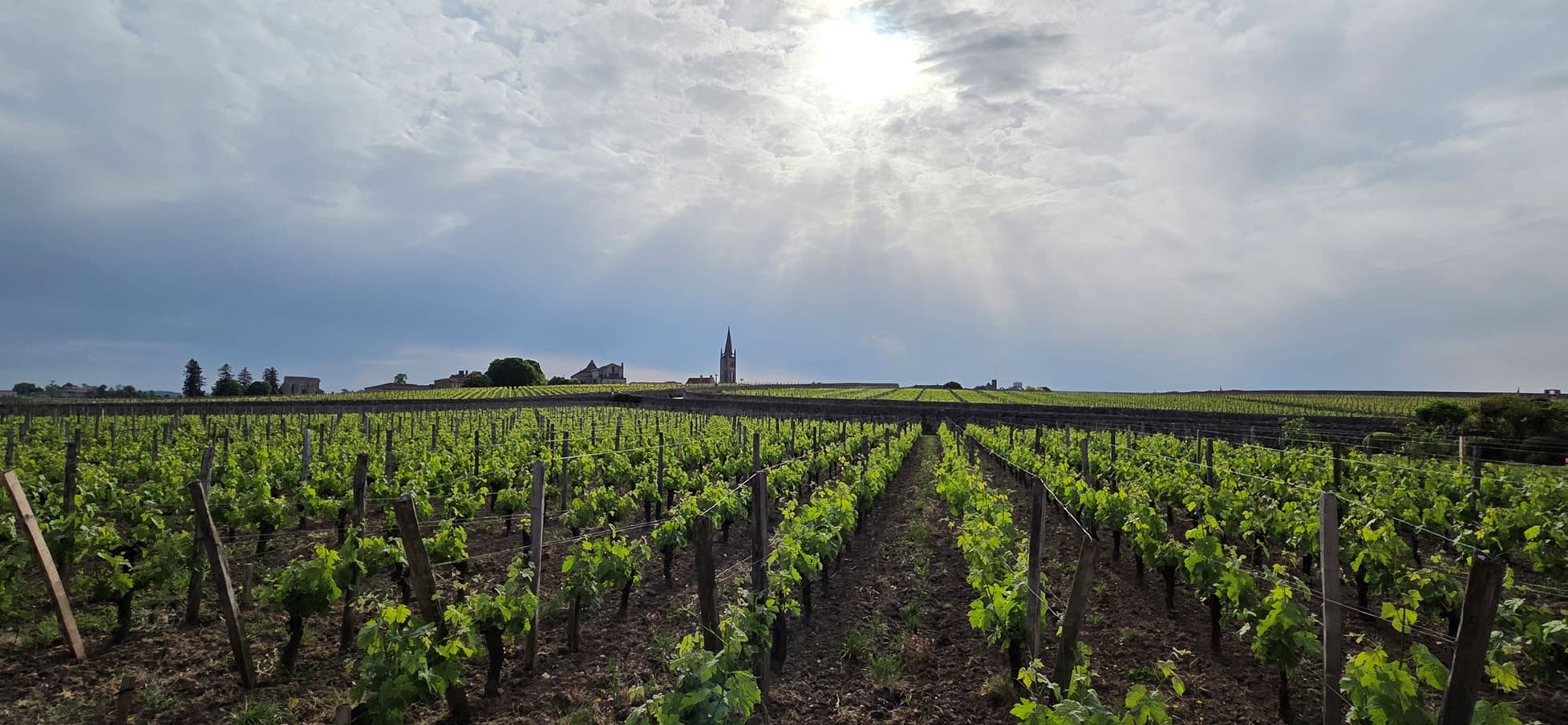
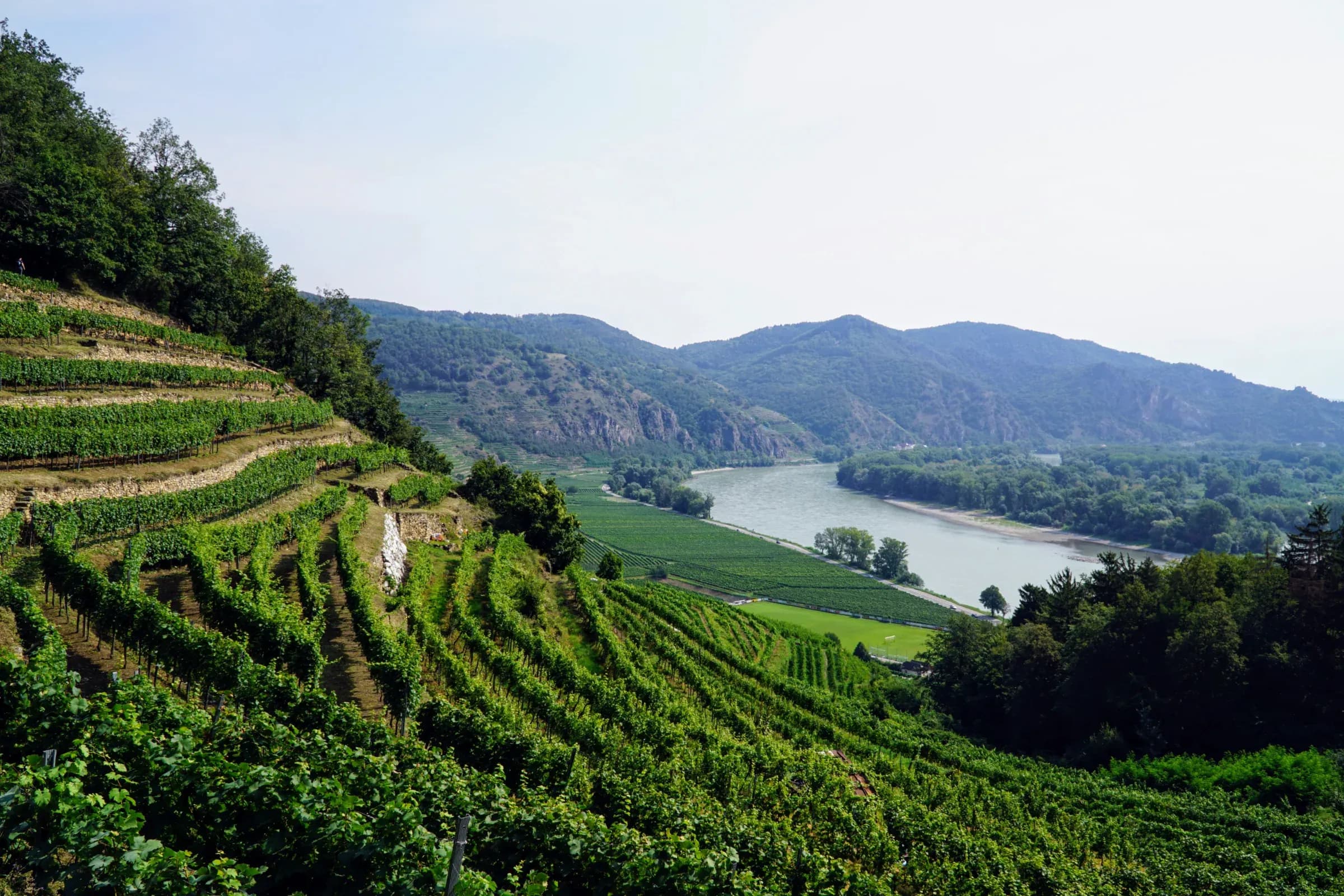
Friuli–Venezia Giulia
Friuli–Venezia Giulia — Expert-Level Overview
Friuli–Venezia Giulia (FVG) in Italy’s northeast is internationally recognised for high-quality white wines, structured and mineral, alongside distinctive reds and world-renowned skin-contact (orange) wines.
Bordering Austria, Slovenia, and the Adriatic Sea, the region combines Alpine precision with Mediterranean softness and a deep Central European influence.
1. Vineyard Area & Varietal Composition
Friuli–Venezia Giulia has approximately 22,000 ha under vine (white ≈ 67%, red ≈ 33%).
Reliable planting statistics exist mainly for the major varieties:
- Pinot Grigio — ~25% of vineyard area (~5,000–5,500 ha)
- Merlot — ~15% (~3,000–3,300 ha)
- Friulano — ~8% (~1,700 ha)
- Chardonnay — ~7% (~1,500 ha)
- Sauvignon Blanc — ~7% (~1,500 ha)
- Cabernet Franc — ~7% (~1,500 ha)
For minor native varieties (Ribolla Gialla, Schioppettino, Vitovska, Terrano, Malvasia Istriana, Picolit), no reliable hectare figures are published; these collectively represent a small but significant fraction of the remaining ~30–35%.
White wine production accounts for ~75% of total output.
2. Regional Identity
Friuli contains several distinct zones:
- Collio DOC — rolling Ponca hills; top whites, structured SB, Friulano, RG; iconic skin-contact wines in Oslavia.
- Colli Orientali del Friuli (COF) — hillside whites, elegant Friulano, Sauvignon, Ribolla Gialla; distinctive reds (Refosco, Schioppettino).
- Carso (Karst) — stark limestone plateau; bora wind; saline Vitovska and Malvasia Istriana; Terrano.
- Isonzo DOC — warm, stony plains; concentrated whites and structured Merlot.
- Grave DOC — vast gravel plains; high volumes but capable Pinot Grigio/Chardonnay.
- Aquileia, Annia, Lison–Pramaggiore — coastal aromatics; Merlot; versatile blends.
3. Climate & Terroir
Climate
- Alpine influence from the north: cool nights, acidity retention.
- Adriatic influence from the south: moderates extremes, reduces frost.
- Bora wind (NE): powerful, dry, reducing disease pressure.
- Rainfall: 1,000–1,400 mm; drainage essential.
- Harvest:
- PG, PB: late Aug–early Sept
- Friulano, SB, Ribolla Gialla: early–mid Sept
- Merlot, Refosco, Schioppettino: late Sept–Oct
Soils
- Ponca / Flysch (Collio & COF): marl + sandstone → structured, mineral whites.
- Carso limestone: thin soils → saline, tensile wines.
- Gravel plains (Isonzo, Grave): warmth, concentration.
- Clay-limestone (Lison–Pramaggiore): fuller whites, structured reds.
4. Key Grapes (Expert Table With Area Context)
Note: Approximate % of regional plantings provided only for varieties with reliable data.
| Variety | Colour | Role / Area Context | Skin | Ripening | Soil Preference | Hazards | Winemaking Notes | Style & Traits |
|---|---|---|---|---|---|---|---|---|
| Pinot Grigio (~25%) | White | Most planted grape | Thin | Early | Gravel, foothills | Rot | Cool ferment; clean settling; ramato for skin-contact | Pear, citrus, floral, mineral |
| Friulano (~8%) | White | Key native white | Thin | Early-mid | Ponca marl | Mildew | Stainless or large oak; light lees | Almond, pear, herbs; gentle phenolics |
| Ribolla Gialla (minor) | White | Signature Collio/COF | Thick | Late | Ponca | Slow ripening | Ideal for skin contact | Lean acidity, citrus, mineral |
| Malvasia Istriana (minor) | White | Collio/Carso | Thin | Mid | Limestone & flysch | Sunburn | Aromatic but structured | Floral, saline, stone fruit |
| Vitovska (minor) | White | Carso speciality | Thick | Late | Limestone | Wind exposure | Often macerated; neutral yeasts | Saline, herbal, restrained |
| Sauvignon Blanc (~7%) | White | Key international | Med | Early-mid | Ponca & gravel | Sunburn | Cool ferment; lees; some oak | Citrus, herbal, flinty |
| Chardonnay (~7%) | White | Varietal & blends | Thin | Early | Limestone, gravel | Frost | Barrel + lees for premium | Apple, citrus, nutty depth |
| Picolit (tiny area) | White | Historic sweet wine | Thin | Late | Hillsides | Severe shatter | Passito; botrytis possible | Exotic, honeyed |
| Refosco Ped. Rosso | Black | Key red | Thick | Late | Gravel & marl | High acidity | Gentle extraction; some oak | Black cherry, herbs, violet |
| Schioppettino | Black | Native (Cialla) | Thin | Late | Hillsides | Rot, uneven ripeness | Whole-bunch finesse | Peppery, savoury |
| Terrano | Black | Carso | Thin | Mid | Limestone | Very high acid | Needs ripeness; minimal oak | Red fruit, iron, searing acidity |
| Merlot (~15%) | Black | Major red | Med | Mid | Clay-limestone | Overripeness | Bordeaux/modern styles | Plum, spice, soft tannin |
5. Comparative Subregion Table
| Area / DOC | Key Grapes | Soils | Producers | Yields | Harvest Window | Styles |
|---|---|---|---|---|---|---|
| Collio DOC | Friulano, RG, SB, Chardonnay, Malvasia | Ponca (marl/sandstone) | Radikon, Gravner, Borgo del Tiglio | 6–10 t/ha | Sept | Textural whites; orange wines |
| Colli Orientali | Friulano, SB, RG, Refosco, Schioppettino | Ponca hills | Ronchi di Cialla, Miani | 6–9 t/ha | Sept–Oct | Structured whites; elegant reds |
| Carso/Karst DOC | Vitovska, Malvasia, Terrano | Limestone/red karst | Kante, Zidarich, Skerk | 5–8 t/ha | Sept–Oct | Saline whites; ultra-acid reds |
| Isonzo DOC | SB, Chardonnay, Merlot, PG | Warm stony alluvium | Vie di Romans, Lis Neris | 8–12 t/ha | Aug–Sept | Concentrated whites; ripe reds |
| Grave DOC | PG, Chardonnay, Merlot | Deep gravels | Major estates/coops | 10–14 t/ha | Aug–Sept | Clean varietals |
| Aquileia/Annia | PG, Chardonnay, Merlot | Alluvial/coastal | Ca’ Bolani | 10–13 t/ha | Aug–Sept | Aromatic whites, soft reds |
| Lison–Pramaggiore | Friulano, Chardonnay, Merlot | Clay-limestone | Stajnbech | 8–12 t/ha | Sept | Ripe whites, structured reds |
6. Winemaking Approaches
Whites
- Stainless steel for aromatics; large neutral oak or tonneaux for structure.
- Lees ageing widely used for textural depth.
- Skin contact:
- Classic styles → minimal
- Orange styles (Ribolla Gialla) → weeks to months; amphora common.
- Oxidative vs reductive split:
- Collio/COF → reductive precision
- Oslavia/Carso → maceration + oxidative handling
Reds
- Refosco: careful extractions to manage tannin; partial oak maturation.
- Schioppettino: whole-bunch often used; gentle maceration; peppery aromatics preserved.
- Merlot: both Bordeaux-style and fresh stainless-steel styles exist.
7. Viticultural Challenges
- Flower shatter (coulure) in Picolit → extremely low yields.
- Ribolla Gialla → very slow ripening; risk of underripe phenolics.
- High rainfall → canopy management critical.
- Bora wind → vine stress but excellent disease management.
- Botrytis → can be beneficial for Picolit but a risk in humid pockets.
8. Key Producers
Collio & Oslavia: Gravner, Radikon, Edi Keber, Borgo del Tiglio, La Castellada
Colli Orientali: Ronchi di Cialla, Miani, Le Due Terre, Vigna Petrussa
Carso: Kante, Zidarich, Skerk
Isonzo: Vie di Romans, Lis Neris
Grave/Isonzo/others: Jermann, Ca’ Bolani, Tunella
9. Wines to Seek Out
- Ribolla Gialla (classic & macerated)
- Friulano (Collio, COF)
- Sauvignon Blanc (Isonzo, Collio)
- Malvasia Istriana & Vitovska
- Refosco dal Peduncolo Rosso
- Schioppettino (Cialla)
- Merlot (Isonzo/COF)
- Picolit Passito
- Pinot Grigio Ramato
10. Summary
Friuli–Venezia Giulia excels in mineral, textural, aromatic whites, world-class skin-contact wines, and characterful reds.
Its Alpine–Adriatic climate, Ponca soils, and cultural intersections create wines of precision, depth, and unique regional character.
Check your knowledge
Expert quiz