Galicia Beyond Rías Baixas
Galicia Beyond Rías Baixas
1. Location and Climate
Inland Galicia, in Spain’s north-west, follows the valleys of the Miño, Sil, and Bibei rivers.
These areas lie east of coastal Rías Baixas and have a cool to moderate continental-Atlantic climate — warm days, cool nights, and lower rainfall.
The main DOs are:
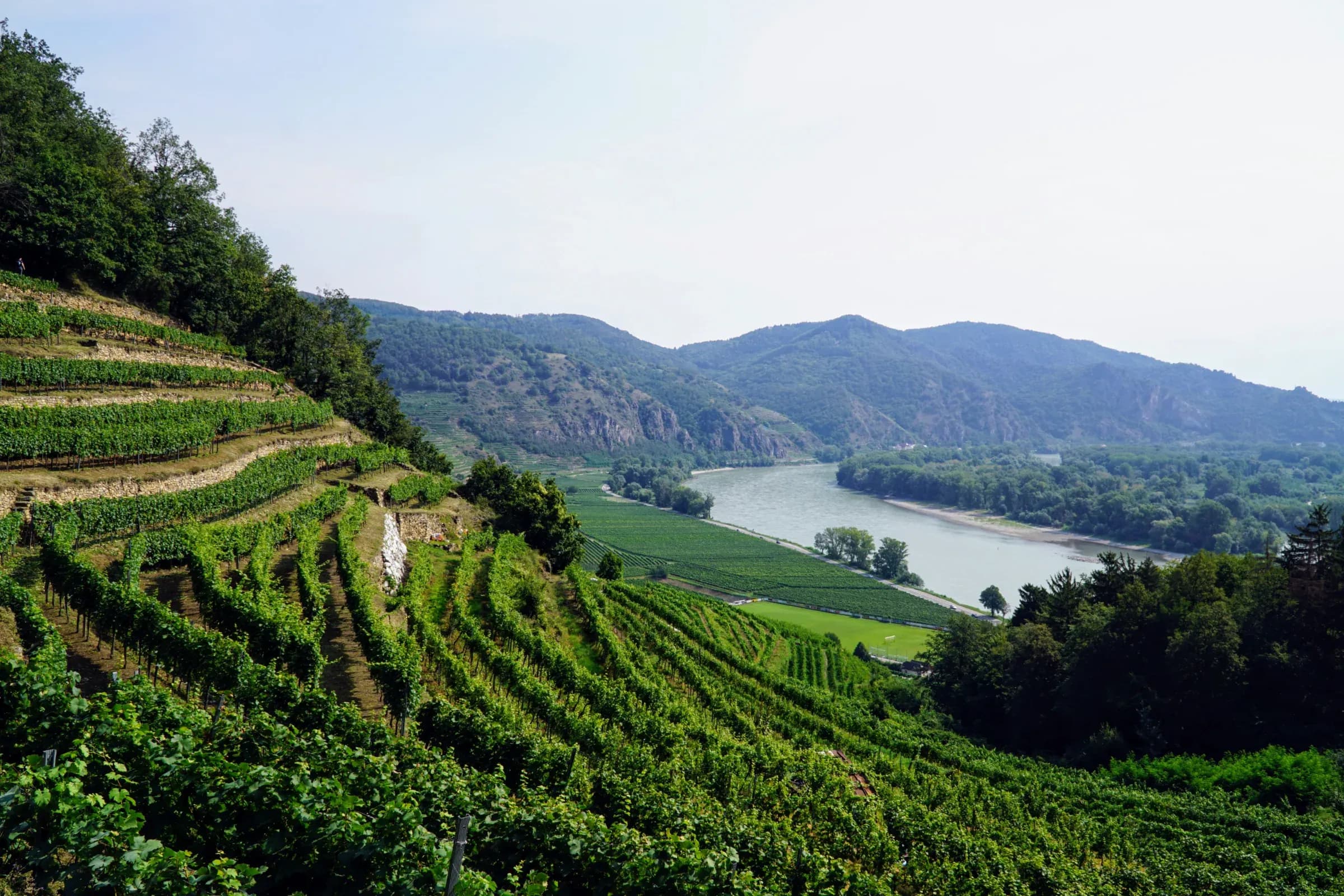
- Ribeira Sacra – steep slate terraces, “heroic” viticulture, elegant reds.
- Valdeorras – more continental; benchmark for Godello.
- Monterrei – warmest and most sheltered; balanced, early-drinking wines.
- Ribeiro – near Ourense; oldest DO in Galicia, known for Treixadura-based whites.
2. Soils and Landscape
| DO | Main Soils | Style Influence |
|---|---|---|
| Ribeira Sacra | Slate and schist | Mineral, structured reds from steep terraces |
| Valdeorras | Slate, limestone, some granite | Aromatic whites and firm reds with ageing potential |
| Monterrei | Clay-sandy over slate/granite | Riper, softer wines |
| Ribeiro | Granite and alluvial soils | Perfumed, rounded whites with gentle acidity |
3. Key Grapes
White Grapes
| Grape | Traits | Wine Style |
|---|---|---|
| Godello | Early-ripening, moderate vigour; prefers slate and limestone slopes | Full-bodied, mineral whites with quince and pear; often aged on lees or in barrel |
| Treixadura | Late-ripening, high vigour; needs warmth | Medium-acid, floral and pear notes; adds body to blends (main grape of Ribeiro) |
| Albariño | Early-ripening, thick-skinned; adaptable inland | Bright acidity and citrus fruit; brings freshness to blends |
| Loureira | Vigorous, aromatic; best near rivers | Lime and herbal notes; lifts blends with perfume |
Red Grapes
| Grape | Traits | Wine Style |
|---|---|---|
| Mencía | Mid-ripening; thin-skinned; slate soils | Light- to medium-bodied reds with red-cherry fruit and minerality |
| Brancellao | Low-yielding; late-ripening | Pale, high-acid, aromatic reds with finesse |
| Sousón | Thick-skinned, high acid | Deep colour, firm tannin, spicy structure |
| Caiño Tinto | Late-ripening | Spicy, taut reds adding backbone to blends |
4. Viticulture
- Steep terraces in Ribeira Sacra require hand work (“heroic viticulture”).
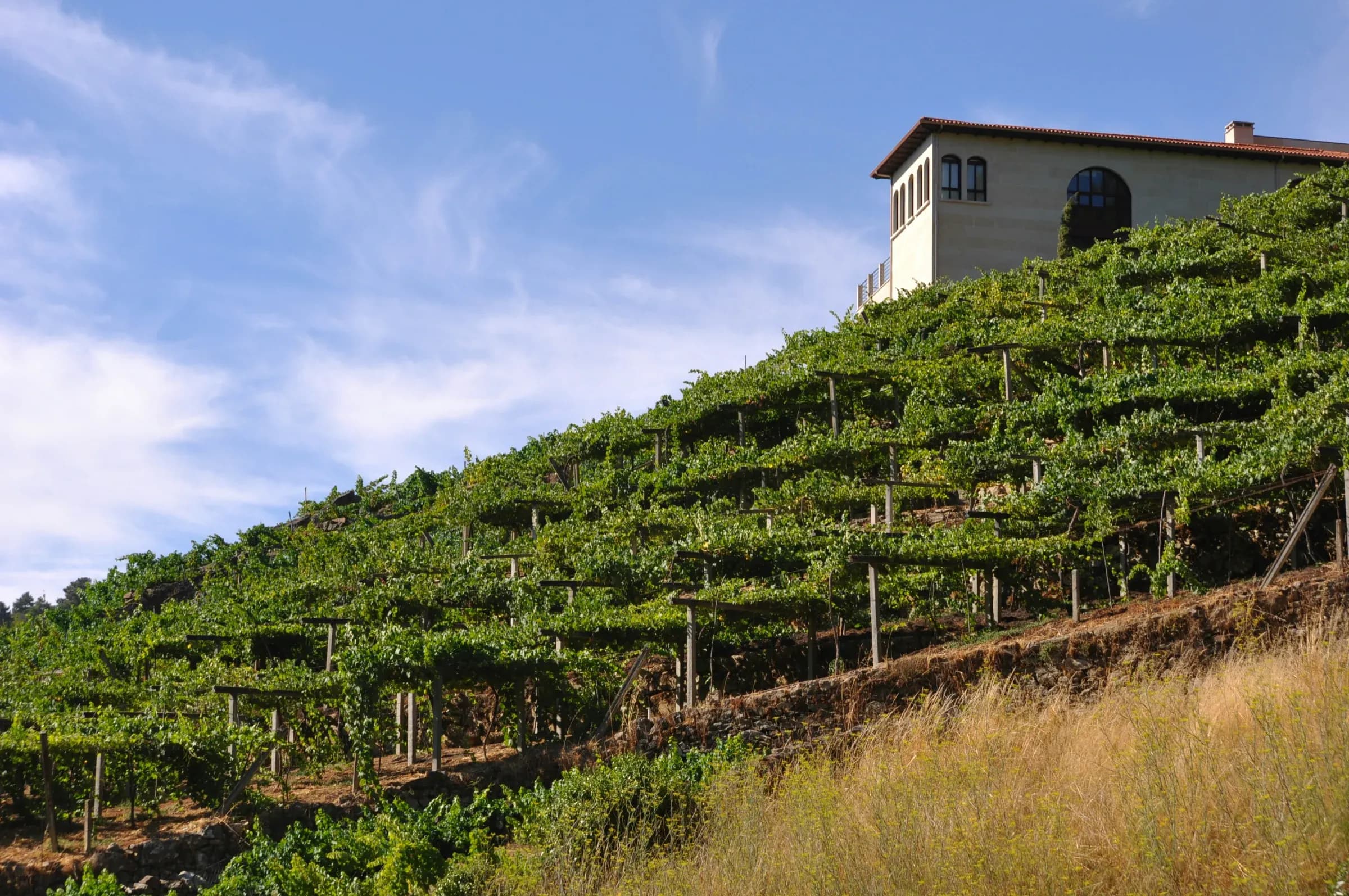
- VSP systems used elsewhere; many old bush-vine plots remain.
- Yields: typically 40–55 hl/ha.
- Risks: frost and drought inland; less mildew than coastal Galicia.
- Organic farming and erosion control increasingly common.
5. Winemaking Styles
| DO | Main Wines | Winemaking | Typical Style |
|---|---|---|---|
| Ribeira Sacra | Mencía reds | Whole-cluster fermentation, little new oak | Juicy, floral, mineral reds with fine tannins |
| Valdeorras | Godello whites, Mencía reds | Lees ageing, barrel fermentation for top Godellos | Broad, mineral whites; firm, age-worthy reds |
| Monterrei | Reds and whites | Cool fermentation, limited oak | Ripe, soft, early-drinking wines |
| Ribeiro | Treixadura blends | Steel or oak with lees contact | Fragrant, rounded whites with floral complexity |
6. Leading Producers
- Ribeira Sacra: Guímaro, Envínate, Dominio do Bibei, Fedellos do Couto, Adega Algueira.
- Valdeorras: Rafael Palacios, Valdesil, Godeval, A Coroa.
- Monterrei: Quinta da Muradella, Pazos del Rey, Gargalo.
- Ribeiro: Viña Meín – Emilio Rojo, Coto de Gomariz, Casal de Armán, Luis Anxo Rodríguez.
7. Market and Identity
- Production: about 250–300 000 hl/year across the four DOs.
- Exports: growing; key markets include the UK, USA, and Nordic countries.
- Flagship wines:
- Godello (Valdeorras) – Spain’s leading fine-white style.
- Mencía (Ribeira Sacra) – elegant, mineral red.
- Domestic demand: strong in Galicia and fine-dining sectors.
- Positioning: small-scale, high-quality “Atlantic mountain wines.”
8. Outlook
Strengths: distinctive native grapes, old vines, clear terroir expression.
Challenges: high production costs, limited marketing, labour shortages.
Opportunities: export growth for premium Godello and Mencía; revival of lesser-known grapes like Brancellao and Sousón; sustainability recognition for Ribeira Sacra’s terraces.
Threats: climate stress and the rise of Albariño/Alvarinho plantings abroad that could blur Galicia’s white-wine identity.
Summary:
Inland Galicia produces some of Spain’s most exciting cool-climate wines — textural Godello whites, perfumed Mencía reds, and Treixadura blends showing freshness and depth.
With continued focus on terroir, sustainability, and artisanal production, Ribeira Sacra and Valdeorras are emerging among Spain’s next great fine-wine regions.
Check your knowledge
Enthusiast quiz