Jura & Savoie – France’s Alpine Wines
1. Overview
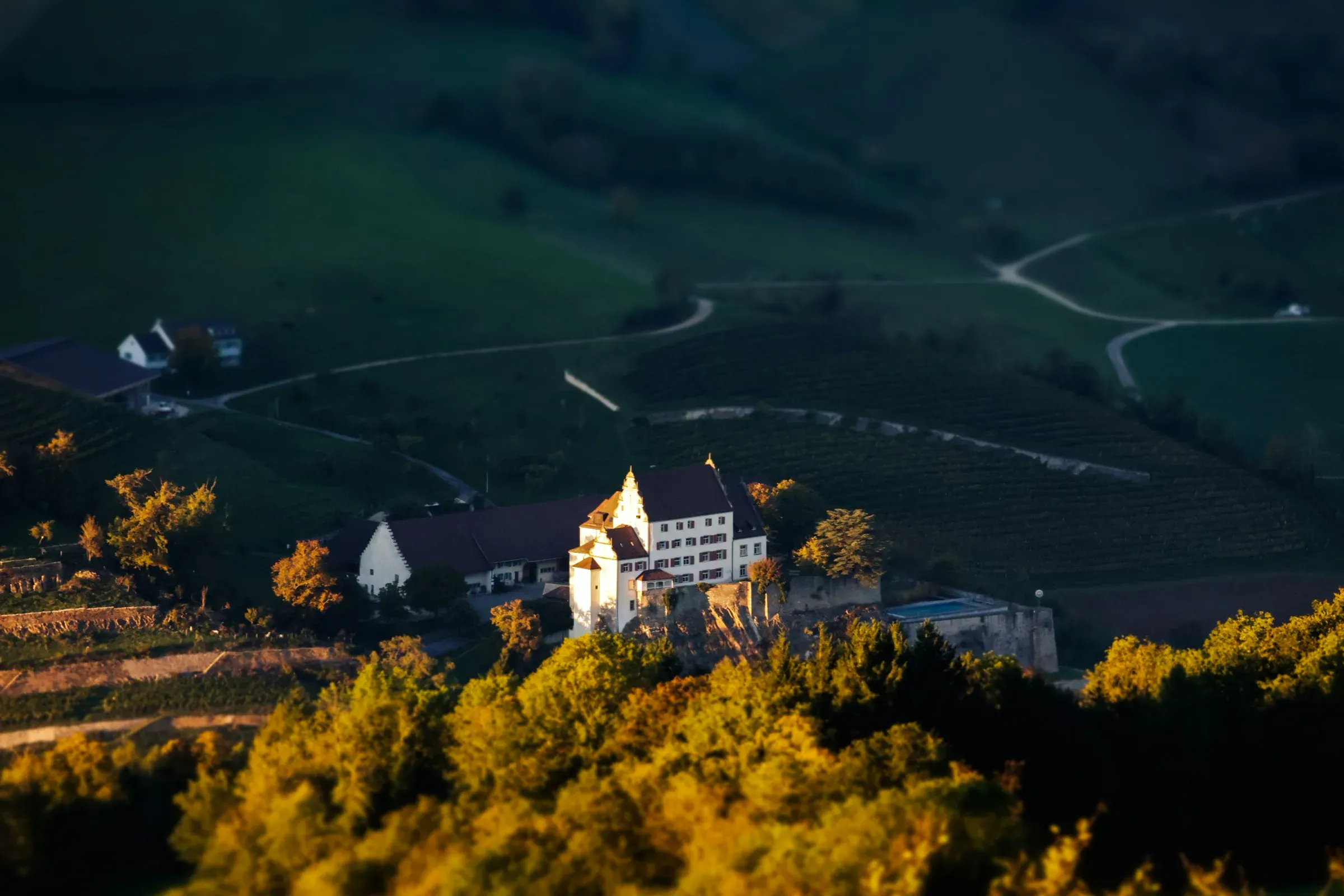
The Jura and Savoie regions are found in eastern France, near the border with Switzerland.
They are small, mountain wine regions known for producing wines that are very different from most of France — fresh, high-acid whites, light reds, and in Jura’s case, a famous golden wine called Vin Jaune.
Together they cover less than 4,000 hectares of vineyards.
2. Climate and Landscape
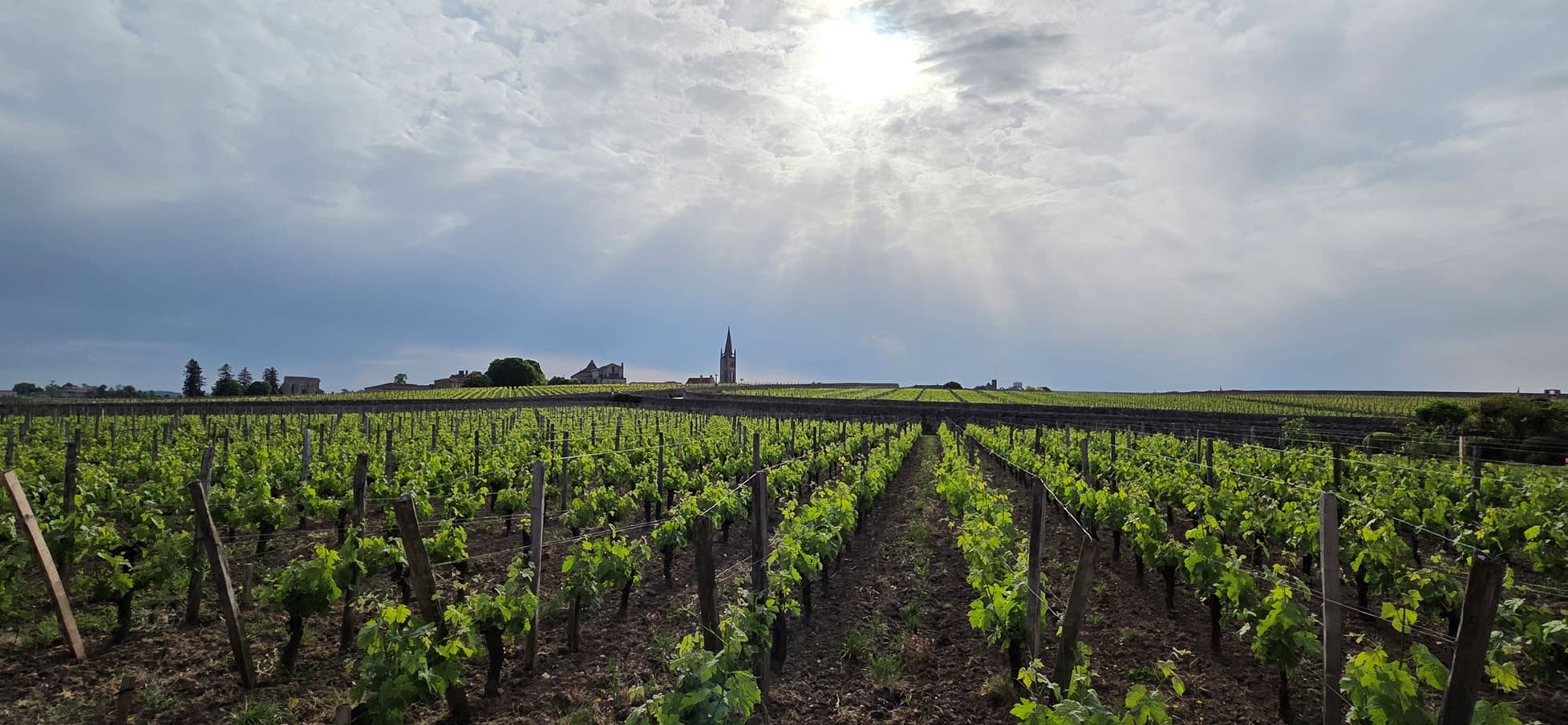
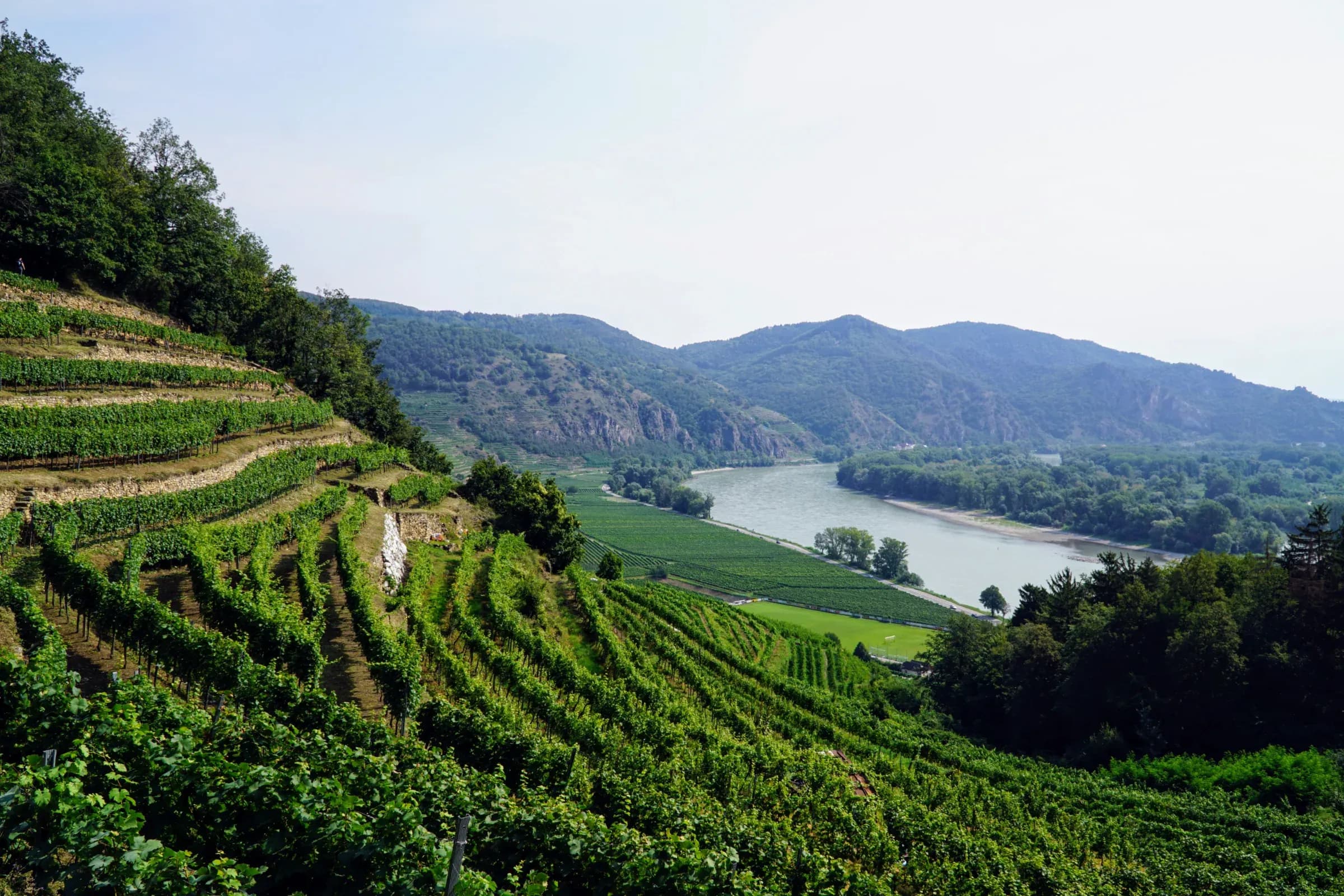
Both regions have cool, mountain climates with long winters and plenty of rain.
Vineyards are planted on sunny, south-facing slopes to help grapes ripen.
The soils are mainly limestone, marl, and clay, which give the wines freshness and minerality.
Yields are small, and the wines are usually made by small, family-run estates.
3. Main Grapes
Jura
- Savagnin (white): high acidity, used for both fresh whites and the special Vin Jaune, aged for many years.
- Chardonnay (white): made in fresh or slightly nutty styles.
- Poulsard and Trousseau (black): make light-coloured, delicate reds and rosés.
Savoie
- Jacquère (white): crisp, light, and refreshing; main grape of Savoie.
- Altesse (white): richer and aromatic; used in Roussette de Savoie wines.
- Mondeuse (black): spicy red with firm tannins and bright acidity.
4. Wine Styles
- Vin Jaune (Jura): made from Savagnin and aged for over six years under a thin layer of yeast called voile.
- It’s dry, powerful, and tastes of nuts, spice, and dried fruit.
- Whites (both regions): crisp, high-acid, often with apple and mineral flavours.
- Reds: light, fruity, and fresh, especially from Poulsard and Mondeuse.
- Sparkling wines (Crémant): made in both regions using the traditional Champagne method.
5. Summary
The Jura and Savoie make small quantities of wines full of character.
Jura is famous for its long-aged Vin Jaune, while Savoie is known for its bright, refreshing whites and spicy reds.
These are true mountain wines, shaped by cool climates, limestone soils, and a focus on local grape varieties.
Check your knowledge
Explorer quiz