Merlot
Merlot
1. Overview
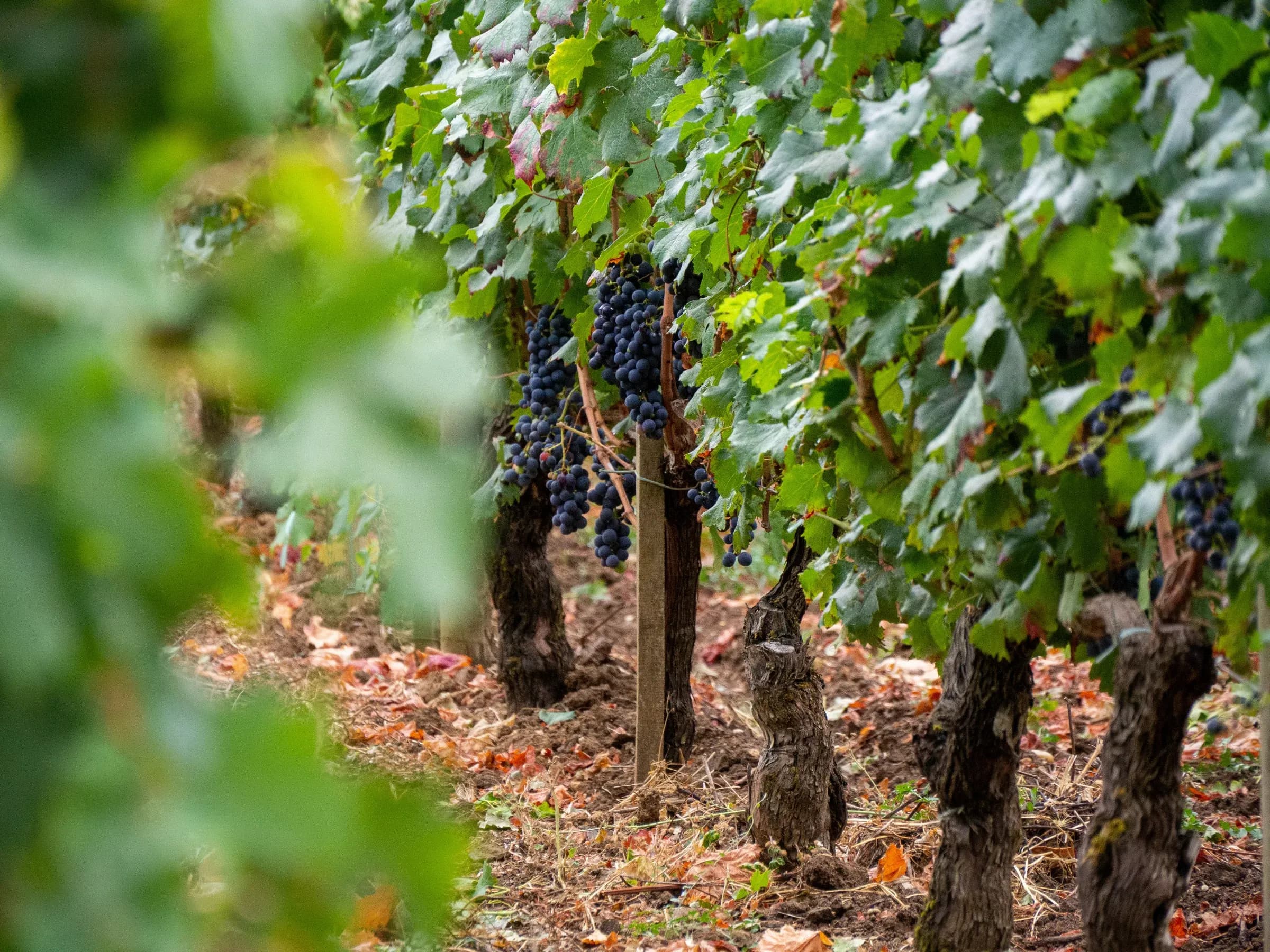
Merlot is one of the world’s most widely grown black grape varieties, known for making smooth, generous reds with ripe plum and black cherry flavours.
It originated in France’s Bordeaux region, where it plays a key role in classic blends, but it is now produced across Europe, the Americas, Australia, and New Zealand.
Merlot can be soft and easy-drinking or structured and ageworthy, depending on where it is grown and how it is made.
2. Grape Characteristics
- Early ripening, which makes it suitable for cooler and moderate climates
- Medium-thick skins, giving medium, approachable tannins
- Fruit flavours range from red plum to black cherry and chocolate
- If picked too early: can taste green or herbal
- If picked too late: becomes jammy and flat
- Thrives on clay and clay-limestone soils that hold moisture
3. Merlot in Blends
Merlot is a key grape in many of the world’s most famous blends:
- In Bordeaux (Right Bank) it is the lead grape, giving richness, fruit, and roundness, supported by Cabernet Franc and Cabernet Sauvignon.
- In Cabernet Sauvignon blends worldwide (California, Chile, Australia), Merlot softens tannins and adds a plush mid-palate.
- In Super Tuscan wines, Merlot contributes ripe fruit and depth, often forming part of premium Mediterranean blends.
In short, Merlot brings flesh, fruit, and balance to structured red blends.
4. Single-Varietal Merlot
Merlot can shine on its own:
Cooler climates (NE Italy, Long Island, parts of Chile)
- Red fruit, herbs, graphite
- Medium body, fresh acidity
Moderate climates (Sonoma, coastal California, Tuscany)
- Black cherry, plum, chocolate
- Softer tannins, fuller body
Warm climates (Napa Valley, parts of Australia)
- Riper, darker fruit
- Plush texture, lower acidity
Top examples
- Pomerol (Bordoaux): Pétrus, Le Pin, Trotanoy
- Washington State: Leonetti, L’Ecole No. 41
- Tuscany: Masseto, Ornellaia (partly or fully Merlot-based)
5. Key Regions & Styles
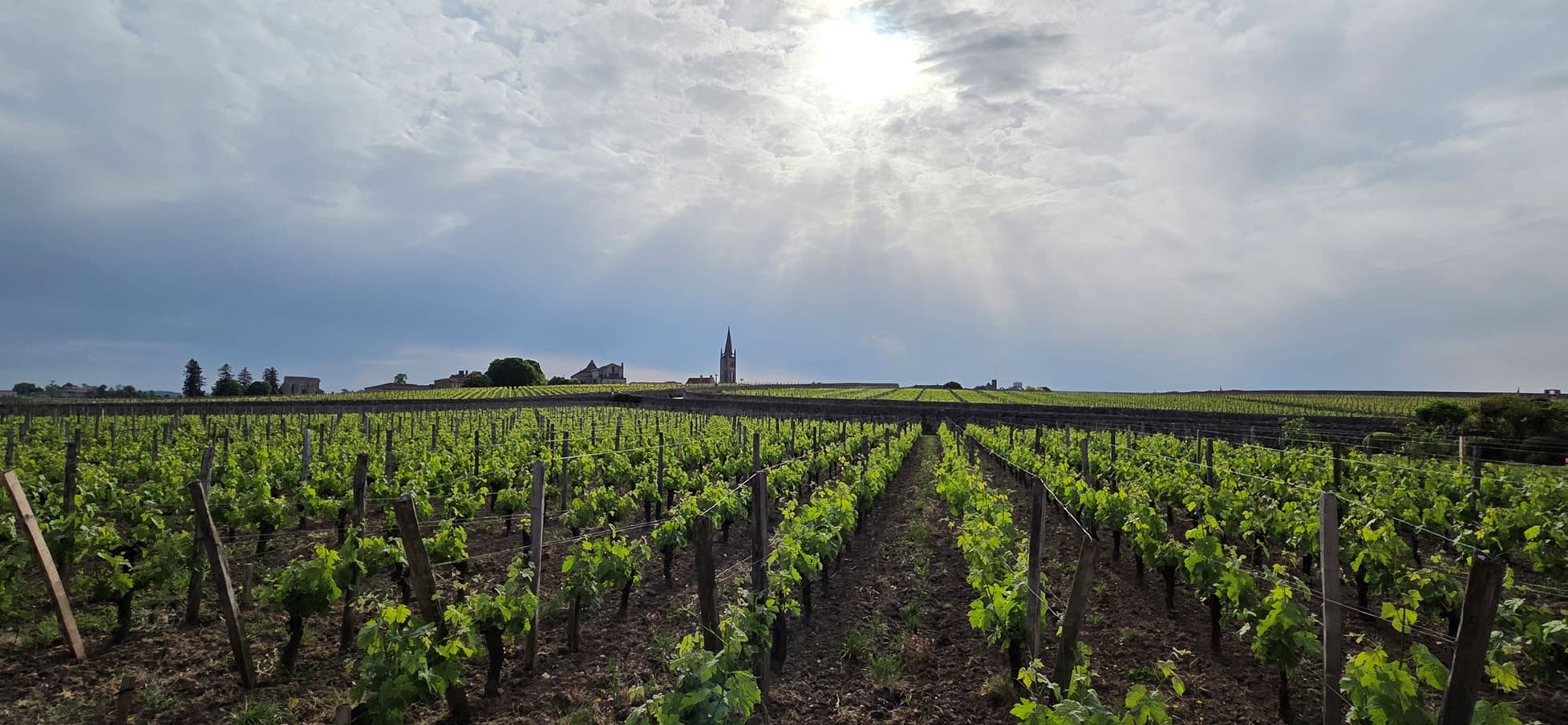
Bordeaux – Right Bank
- Clay and limestone soils ideal for Merlot
- Plush, structured wines with plum, graphite, and long ageing potential
Italy
- NE Italy: soft, fruity varietal Merlot
- Tuscany (Bolgheri): rich, powerful Merlot and blends (e.g., Masseto)
United States
- California: styles range from soft and ripe to more structured in cooler zones
- Washington State: bold, structured Merlot with excellent acidity
Chile
- Ripe, plummy wines; cooler coastal Merlot shows fresher red fruit
New Zealand (Hawke’s Bay)
- Dark fruit, firm tannin, Bordeaux-like structure
6. Vineyard & Winemaking Notes
- Needs careful canopy management to avoid green flavours
- Can over-ripen easily in hot climates
- Typically fermented in stainless steel; aged in French or American oak (depending on style)
- Gentle extraction preferred to maintain smooth tannins
- Blending with Cabernets increases complexity and structure
7. Taste & Style
- Fruit: plum, cherry, blackberry
- Oak influence: vanilla, chocolate, spice
- Structure: medium tannin, medium acidity
- Ageing potential: from early-drinking styles to long-lived, complex versions (especially in Bordeaux and Washington)
8. Wines to Try
- Pomerol or Saint-Émilion Right Bank blends
- Washington State Merlot (e.g., Leonetti, L’Ecole No. 41)
- Tuscan Merlot (e.g., Masseto)
- Affordable varietal Merlot from NE Italy or Chile
9. Summary
Merlot is a smooth, approachable grape that can also produce deep, long-lived wines in the right places.
It is a key partner in many of the world’s most famous blends and also makes excellent single-varietal wines.
From Bordeaux to Washington and Tuscany, Merlot shows how beautifully it adapts to different climates and soils.
Check your knowledge
Enthusiast quiz