Pinot Blanc
Pinot Blanc (Pinot Bianco / Weissburgunder)
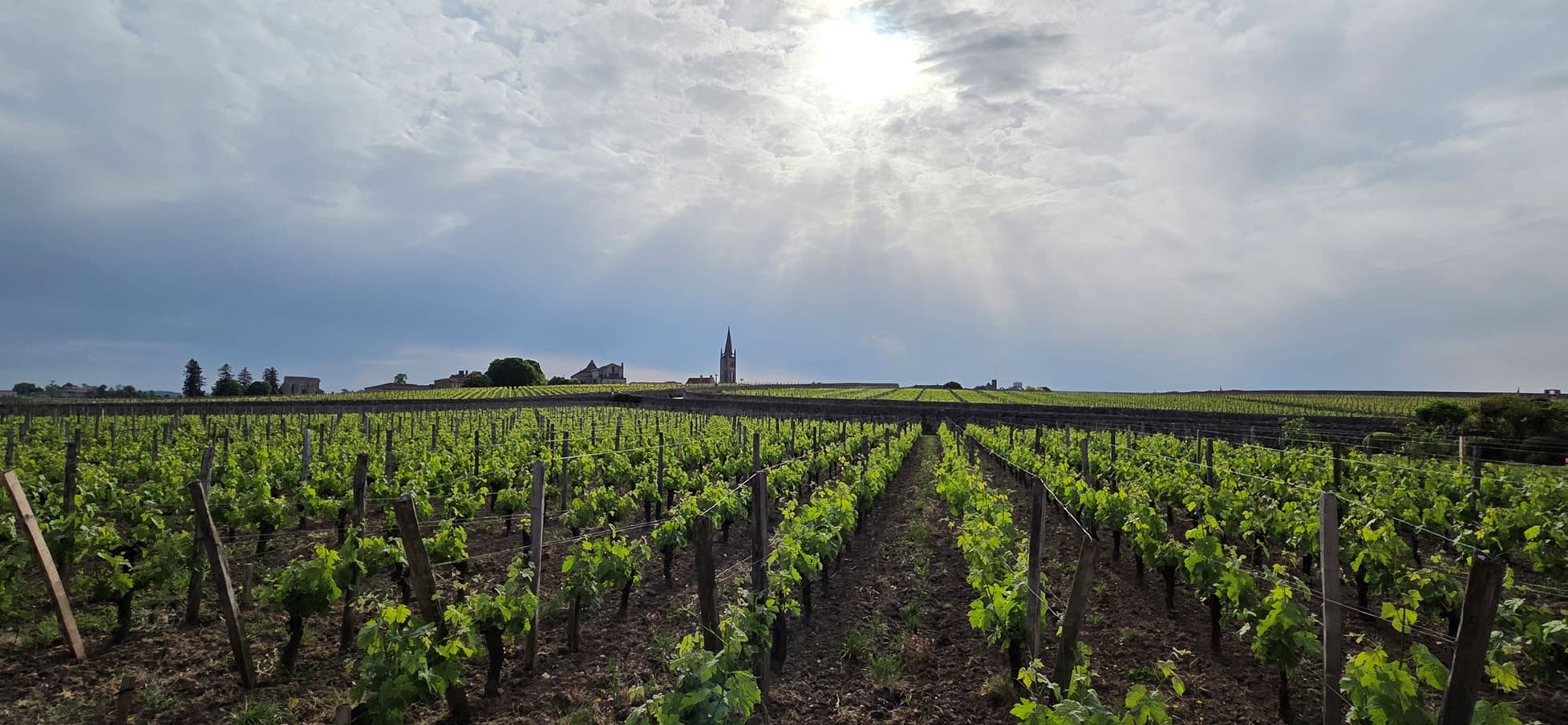
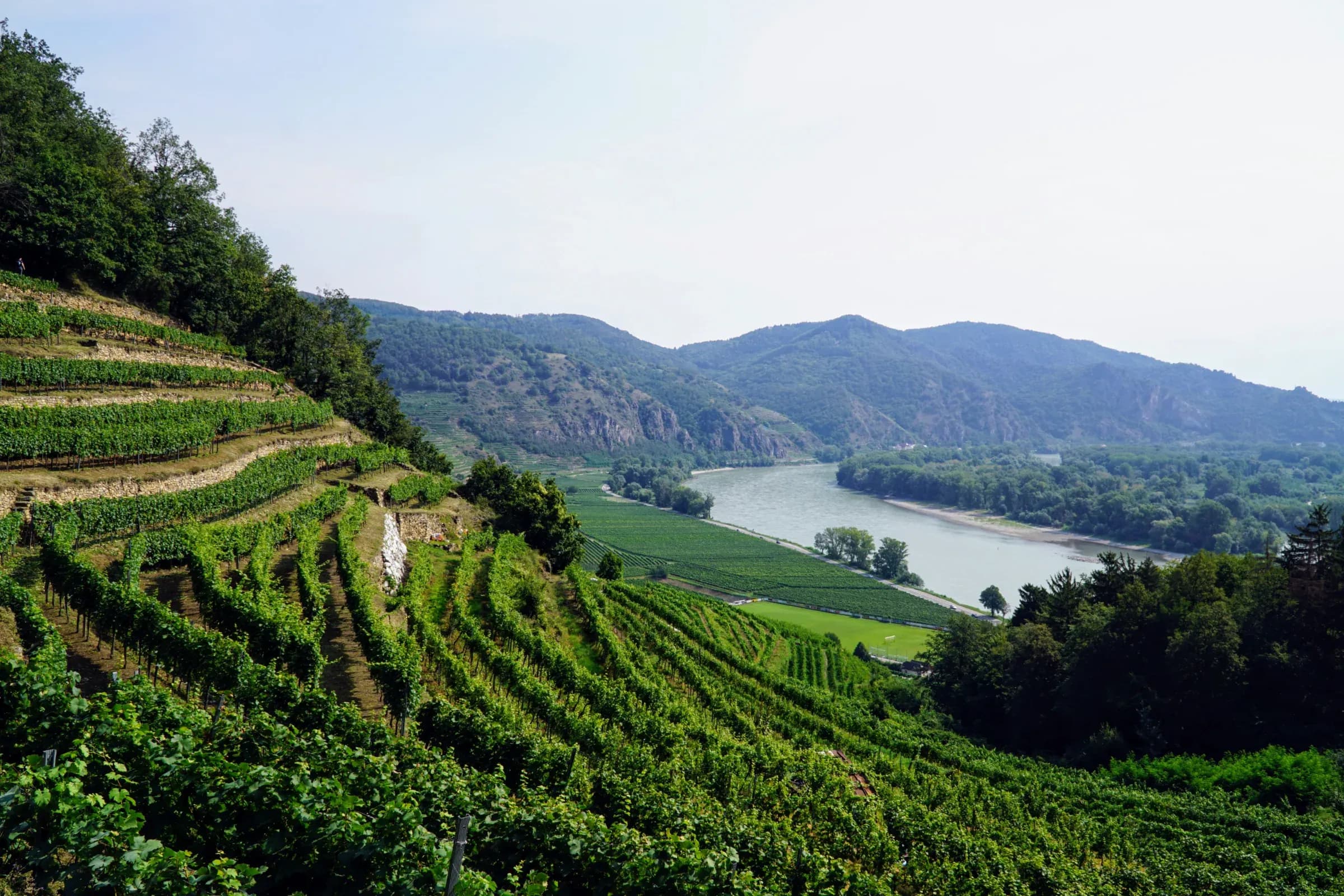
Pinot Blanc is a white-berried mutation of Pinot Noir, grown widely in Alto Adige/Südtirol, Alsace, Germany (Weissburgunder), Austria, Luxembourg, and cooler New World regions.
Its restrained aromatics, subtle texture, and affinity for precise winemaking make it one of the most terroir-transparent grapes in Europe.
1. Origins & Identity
- Mutation of Pinot Noir, genetically close to Pinot Gris.
- Historically confused with Auxerrois in Alsace (AOC “Pinot Blanc” may include Auxerrois).
- Naturally non-aromatic, relying on texture, minerality, and winemaking for expression.
2. Viticulture
- Early budding → frost risk.
- Mid-season ripening → consistent in cool climates.
- Moderate vigour, upright canopy.
- High yield potential → must be restricted for concentration.
- Prefers limestone, loess, morainic gravel, porphyry; avoids heavy clay.
- Hazards: botrytis, powdery mildew, sunburn, acidity loss in hot years.
- Best in cool to cool-moderate climates, or at altitude (Alto Adige 300–900 m).
3. Grape Characteristics (Expert Table)
| Parameter | Pinot Blanc |
|---|---|
| Colour | White |
| Skin Thickness | Thin |
| Budding | Early, frost-sensitive |
| Ripening | Mid-season |
| Vigour | Moderate |
| Yields | Naturally high; quality improves with restriction |
| Preferred Soils | Limestone, loess, morainic gravel, porphyry |
| Hazards | Botrytis, powdery mildew, sunburn |
| Acidity | Medium to medium-high in cool sites |
| Aromatic Profile | Neutral; orchard fruit, citrus, almond, white flowers |
| Phenolics | Low–medium |
| Ageing | Moderate; strong examples 5–10+ years |
4. Sensory Profile
- Orchard fruit (pear, apple), citrus peel, almond, subtle florals.
- Texture-driven, mineral, quietly aromatic.
- Less overt fruit/oak integration than Chardonnay; cleaner line, less weight.
- Distinct from Auxerrois: higher acidity, more structure, less exotic fruit.
5. Winemaking Approaches
Stainless Steel
- Most common (Germany, Austria, Alto Adige).
- Produces crisp, pure, mineral-driven wines.
Lees Ageing
- Builds mid-palate weight; enhances savoury complexity.
- Widely used in Alto Adige and top German producers.
Large Neutral Oak / Foudres
- Favours subtle texture rather than flavouring.
- Works particularly well with concentrated fruit.
Skin Contact
- Short maceration → phenolic grip, tension.
- Extended maceration → orange wine styles (Ribolla remains the benchmark, but PB can succeed).
Sparkling Base
- Used in: Crémant d’Alsace, Alto Adige Metodo Classico, Luxembourg Crémant, Austrian sekt.
6. Regional Expressions
Alto Adige / Südtirol
- Benchmark modern region for Pinot Bianco.
- Altitude 300–900 m; porphyry + limestone soils.
- Wines: precise, mineral, orchard-fruited; excellent ageing (5–10+ years).
- Key producers: Terlano, St. Michael-Eppan, Nals Margreid, Hofstätter, Girlan.
Alsace
- Can include Auxerrois in “Pinot Blanc” bottlings.
- Style: delicately creamy, subtle fruit, soft acidity.
- Also major component of Crémant d’Alsace.
Germany (Weissburgunder)
- Increasingly serious: Baden, Pfalz, Rheinhessen.
- Range from crisp stainless steel to powerful oak-aged “Reserve/GG” styles.
Austria
- Linear, mineral, often lightly oaked; rising in quality.
Luxembourg / Switzerland
- Crémant-focused production; fresh, apple-driven styles.
New World (Oregon, California, Canada)
- Oregon: mineral, textural examples.
- California: fruit-driven; sometimes misidentified as Chardonnay historically.
- Canada: high-acid sparkling bases.
7. Challenges
- Maintaining acidity (especially in warm vintages).
- Avoiding botrytis in compact clusters.
- Preventing dilution on fertile soils.
- Clear varietal separation from Auxerrois in Alsace.
8. Role in Blends
Adds:
- freshness,
- structure,
- textural finesse,
- stability in sparkling blends.
Common partners: Auxerrois (Alsace), Chardonnay (Italy, Germany), Pinot Grigio.
9. Ageing Potential
- Standard PB: 2–4 years.
- High-end/lees-aged styles: 5–10+ years.
- Aged notes: almond, chamomile, beeswax, savoury minerality.
10. Key Producers
Terlano, St. Michael-Eppan, Nals Margreid, Hofstätter, Tiefenbrunner, Girlan (Alto Adige)
Dirler-Cadé, Meyer-Fonné, Albert Mann (Alsace)
Rebholz, Huber, Keller, Salwey (Germany)
Bründlmayer, Loimer (Austria)
11. Summary
Pinot Blanc is a quietly expressive, terroir-driven white variety prized for texture, mineral purity, and versatility in sparkling and still winemaking.
Its restrained aromatics allow soil, climate, and winemaking choices to take centre stage.
At its best—particularly in Alto Adige and top German/Austrian sites—it produces precise, ageworthy wines of great gastronomic appeal.
Check your knowledge
Expert quiz