Bordeaux Spotlight
Bordeaux Viticulture and Winemaking (WSET Level 3 Summary)
1. Climate and Environment
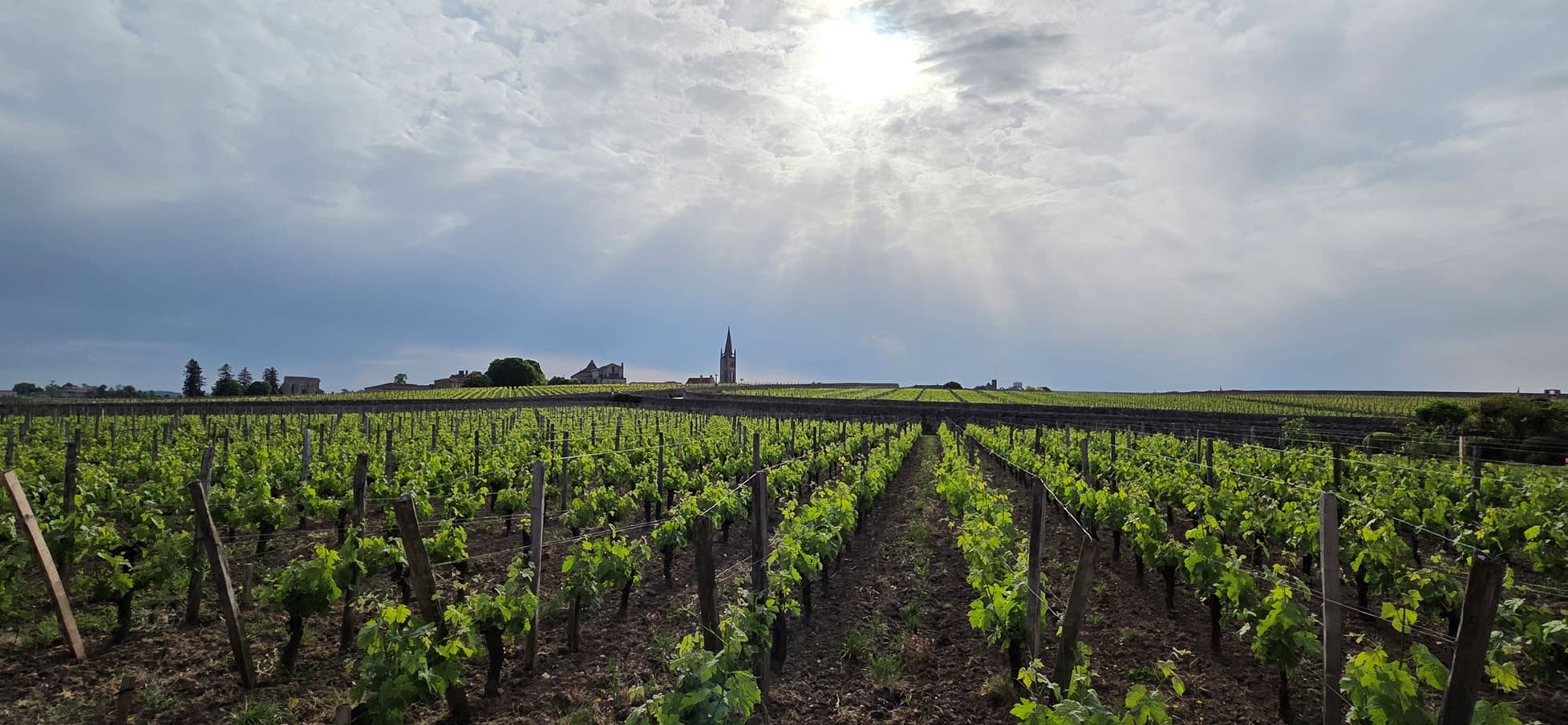
Bordeaux, in southwest France, has a moderate maritime climate influenced by the Atlantic Ocean and the Gironde, Garonne, and Dordogne rivers. The climate brings mild winters and warm summers, with a long growing season that allows slow, even ripening.
Rainfall is high (around 900–1000 mm per year) and unevenly spread, which increases the risk of mildew and rot, especially near harvest. The Landes forest helps shield vineyards from strong ocean winds.
On the Left Bank, gravel soils drain freely and retain warmth — ideal for Cabernet Sauvignon, which ripens late. The Right Bank has cooler clay and limestone soils, which hold moisture and suit Merlot and Cabernet Franc, both earlier ripening varieties.
2. Soils and Key Grape Varieties
Red Grapes
| Grape | Key Traits | Acidity | Tannins | Main Flavours | Role in Blend |
|---|---|---|---|---|---|
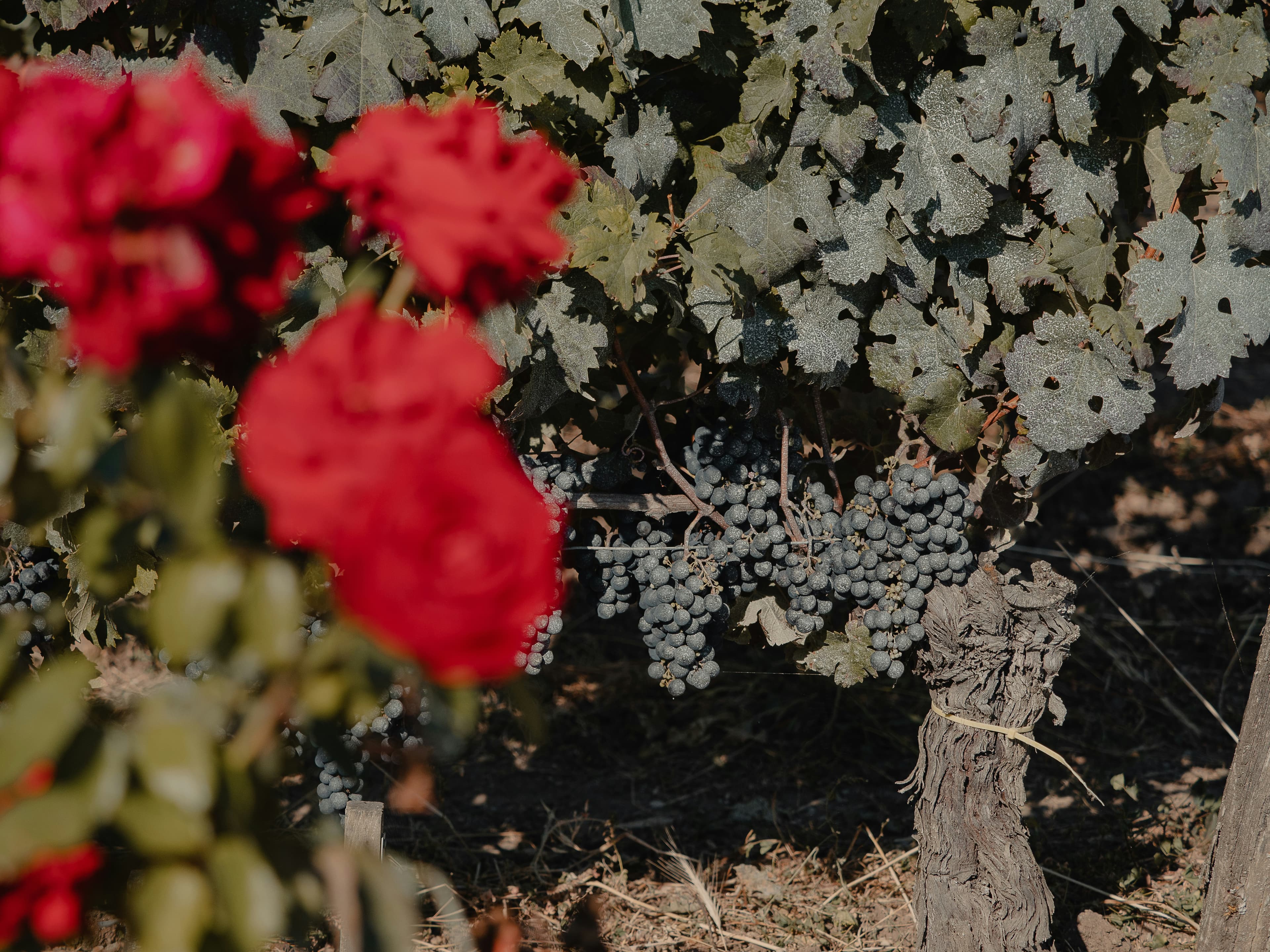
| Cabernet Sauvignon | Late ripening; thick-skinned; needs warm, gravelly soils | Medium–High | High, firm | Blackcurrant, cassis, cedar | Structure, longevity |
| Merlot | Early ripening; prefers clay soils | Medium | Medium, soft | Red plum, cherry, raspberry | Body, softness, fruit |
| Cabernet Franc | Early to mid ripening; thrives on limestone | Medium–High | Medium, fine | Red fruit, violet, herbs | Freshness, perfume |
| Petit Verdot | Very late ripening; small berries | Medium | Very High | Black fruit, spice | Colour, structure (small proportion) |
White Grapes
| Grape | Key Traits | Acidity | Main Flavours | Role in Blend |
|---|---|---|---|---|
| Sémillon | Early budding, mid–late ripening; thin-skinned | Medium–Low | Honey, wax, dried apricot | Texture, sweetness, ageability |
| Sauvignon Blanc | Early ripening; thin-skinned | High | Citrus, gooseberry, herbs | Freshness, aroma |
| Muscadelle | Early ripening; delicate and floral | Medium | Grapey, floral, spicy | Perfumed lift |
3. Vineyard Management
Bordeaux vineyards are usually densely planted (6,000–10,000 vines/ha) and trained using Single or Double Guyot systems for canopy control. Leaf removal and green harvesting are common to manage yield and reduce disease risk.
Permitted yields vary by appellation but are around 55 hl/ha for red Bordeaux, 50 hl/ha for Bordeaux Supérieur, and only 25–30 hl/ha for Sauternes, helping maintain concentration.
The humid climate makes fungal disease control essential. Many producers now follow sustainable or organic practices, and some are certified HVE (Haute Valeur Environnementale).
4. Winemaking and Styles
Grapes are typically destemmed and fermented in stainless steel or concrete vats. Malolactic conversion softens acidity. Wines are usually aged in French oak barriques (225 L) for 12–24 months, with 30–100% new oak depending on style.
Sweet wines from Sauternes and Barsac are made from botrytized Sémillon, hand-picked over several passes (tries successives), then slowly fermented and aged in oak for up to three years.
Main Styles
- Left Bank Reds (Cabernet-based): Firm, structured, black fruit, cedar, and spice; long-lived (e.g., Médoc, Graves).
- Right Bank Reds (Merlot-based): Softer, rounder, red-fruited, earlier drinking (e.g., Saint-Émilion, Pomerol).
- Dry Whites: Sauvignon Blanc–Sémillon blends; crisp, citrus, often lightly oaked (Graves, Pessac-Léognan).
- Sweet Whites: Rich, honeyed wines balanced by acidity (Sauternes, Barsac).
5. Recent Trends
Warmer vintages have improved Cabernet ripeness but raised alcohol levels. Producers increasingly pick earlier, use gentler extraction, and reduce new oak to preserve freshness.
There’s also a growing focus on dry whites and rosés, plus wider adoption of sustainable vineyard management.
6. Summary
Bordeaux’s success comes from its maritime climate, diverse soils, and skill in blending. Cabernet Sauvignon brings structure and tannin; Merlot adds softness and red fruit; Cabernet Franc adds fragrance.
These components, shaped by climate and careful vineyard work, create Bordeaux’s signature range of wines — from structured, long-lived reds to rich, complex sweet whites.
Check your knowledge
Enthusiast quiz