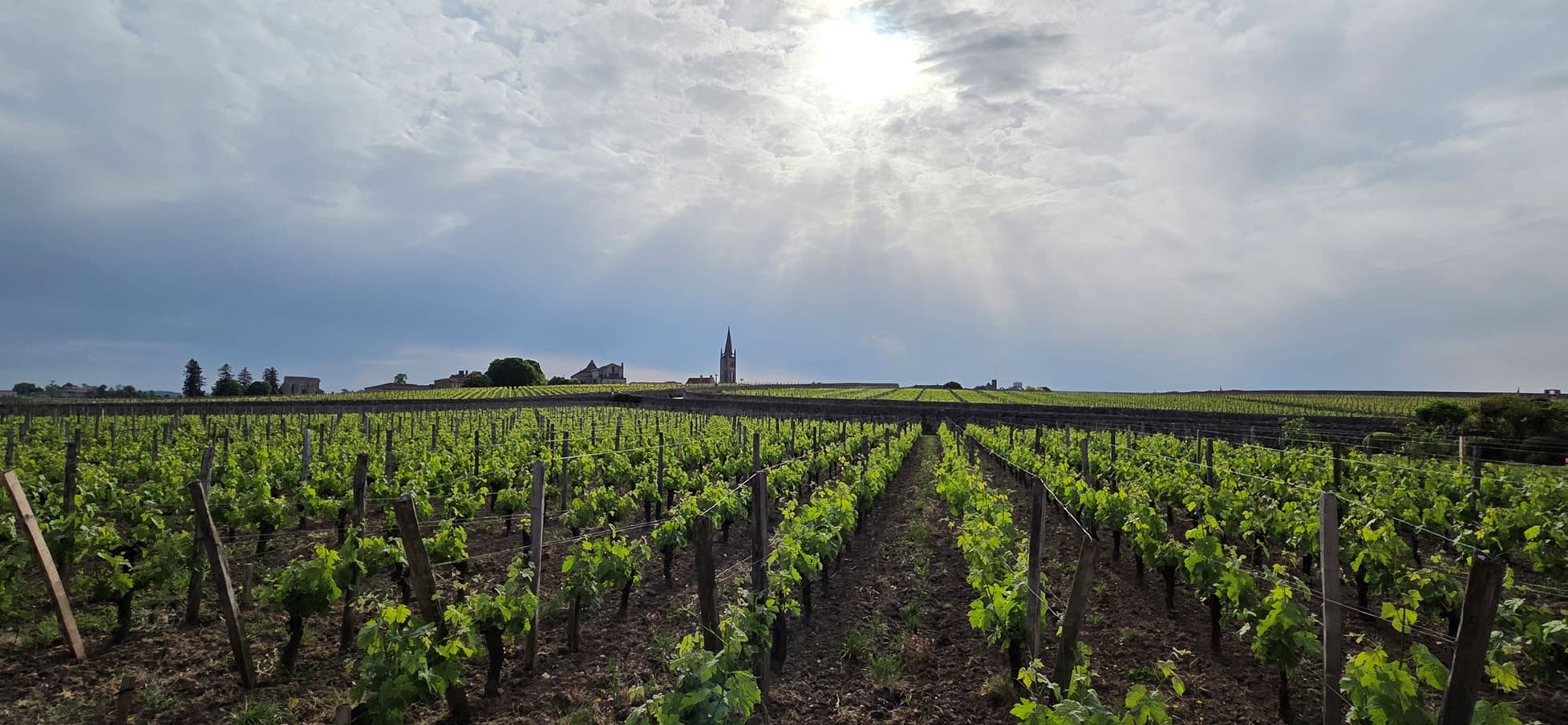
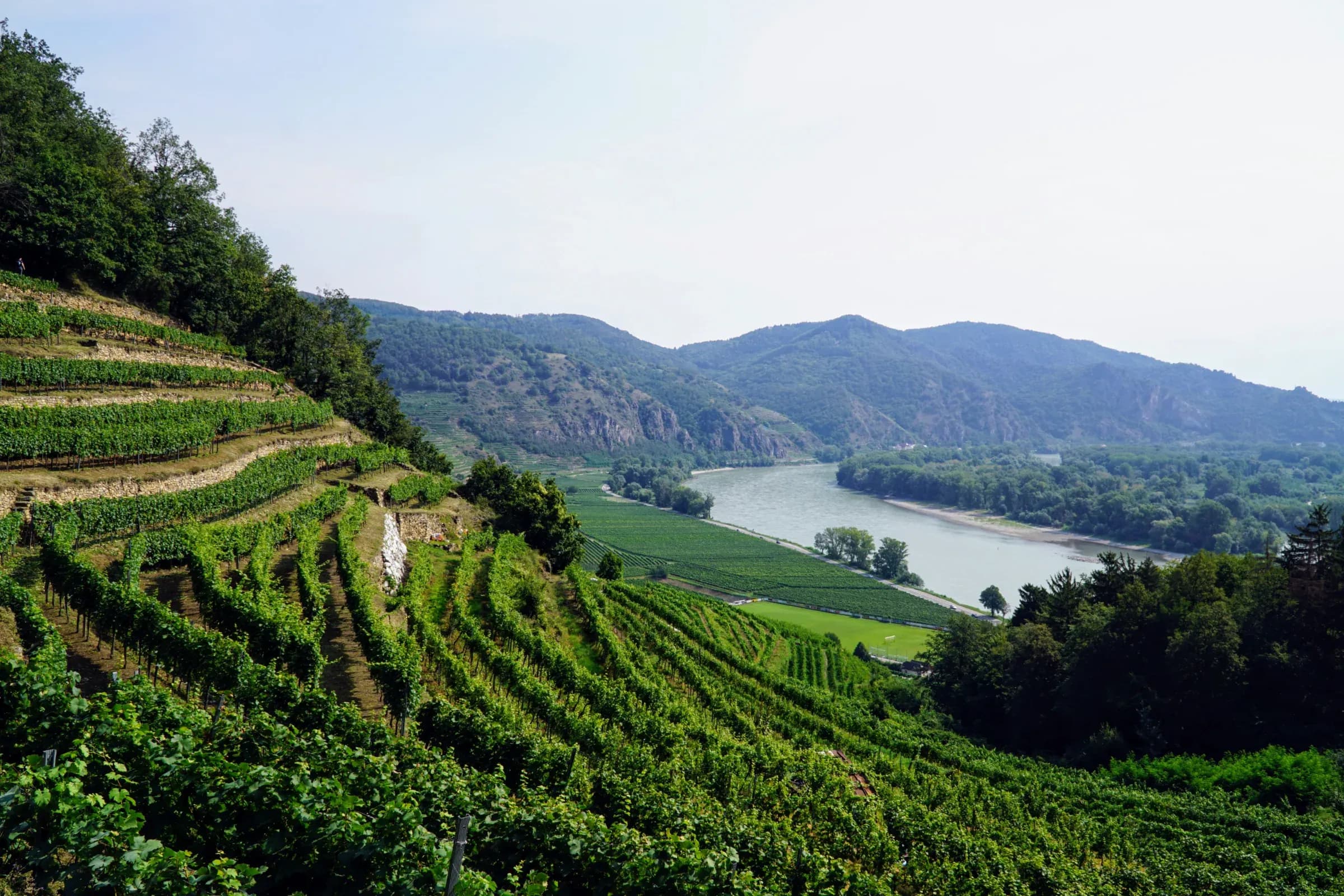
Bordeaux Spotlight
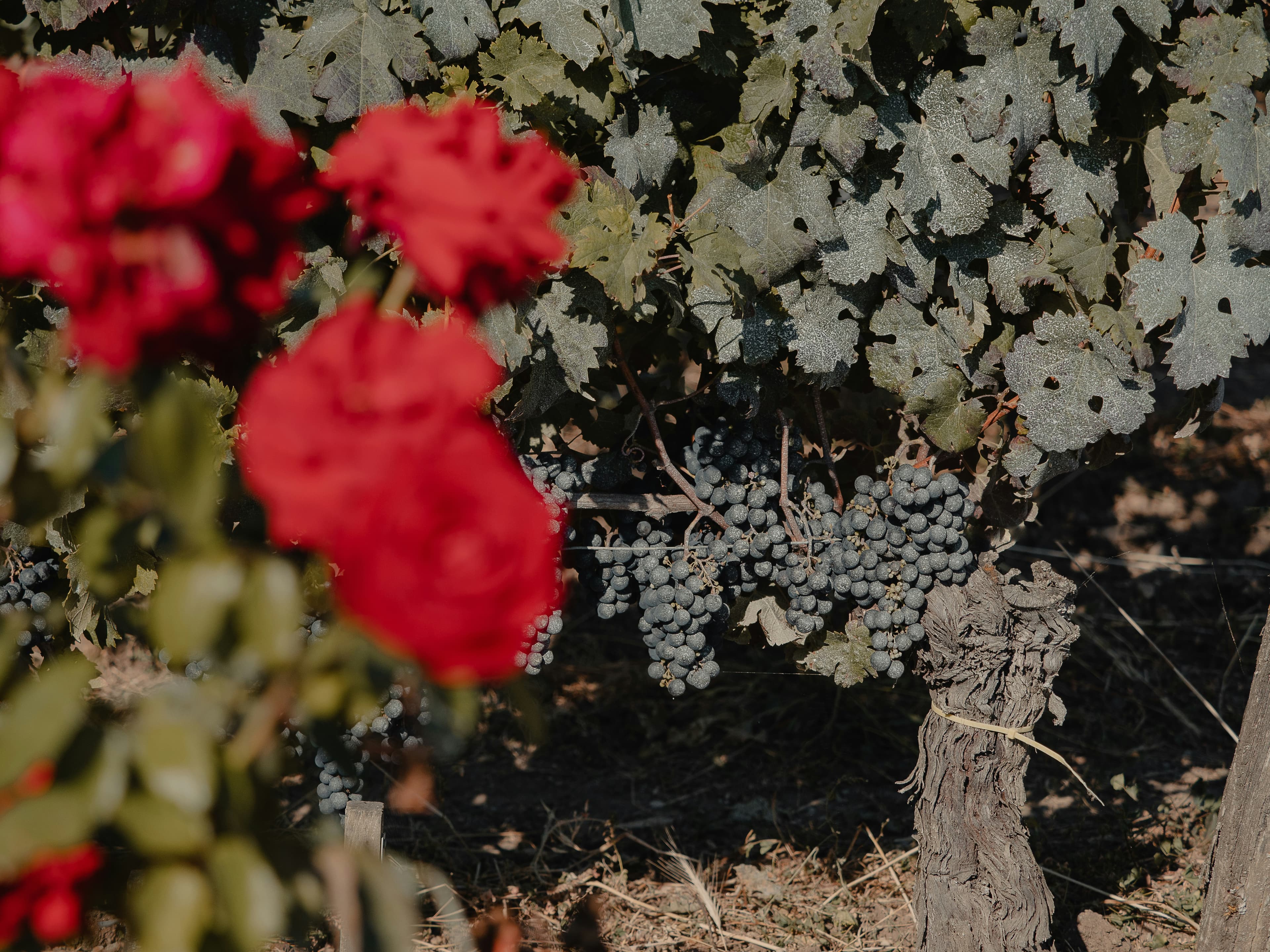
Bordeaux Viticulture, Winemaking, and Production Overview
1. Climate and Environment
Bordeaux, in southwest France, has a temperate maritime climate influenced by the Atlantic Ocean and the Gironde, Garonne, and Dordogne rivers. Winters are mild, summers are warm, and the long growing season allows for slow, complete ripening.
Annual rainfall averages 900–1000 mm, often concentrated in spring and autumn, creating risk of mildew, botrytis, and harvest dilution, but also enabling noble rot in Sauternes and Barsac. The Landes pine forest shelters vineyards from Atlantic winds.
The Left Bank (Médoc and Graves) has free-draining gravel soils that retain heat—ideal for Cabernet Sauvignon, which ripens late. The Right Bank (Saint-Émilion and Pomerol) has cooler clay and limestone soils, retaining moisture and favouring Merlot and Cabernet Franc.
2. Soils and Terroir
- Gravel (Médoc, Graves): Deep, stony, and heat-retentive; promotes full Cabernet ripening, structure, and tannin quality.
- Clay-limestone (Saint-Émilion): Cooler, moisture-retentive; produces supple, aromatic Merlot and Cabernet Franc.
- Clay-gravel (Pomerol): Balances drainage and retention; yields plush, dense Merlot wines.
- Alluvial / sandy (Entre-Deux-Mers): Best suited for aromatic white varieties (Sauvignon Blanc, Sémillon).
3. Grape Varieties and Key Characteristics
Red Grapes
| Variety | Budburst / Ripening | Skin Thickness | Acidity | Tannins | Flavour Intensity | Typical Flavours | Role in Blends | Main Hazards |
|---|---|---|---|---|---|---|---|---|
| Cabernet Sauvignon | Late / Late | Thick | Medium–High | High, firm, fine-grained | High | Blackcurrant, cassis, cedar, graphite | Structure, longevity, colour | Late ripening → rain risk at harvest; downy mildew; poor fruit set in cool springs |
| Merlot | Early / Early | Medium | Medium | Medium, soft, round | Medium–High | Red plum, cherry, raspberry, chocolate | Body, red fruit, softness | Spring frost; coulure in wet bloom; over-ripeness and alcohol in hot years |
| Cabernet Franc | Early / Mid | Thin–Medium | Medium–High | Medium, fine, linear | Medium–High | Raspberry, violet, herbs | Freshness, perfume | Spring frost; under-ripeness; downy mildew; trunk disease (Eutypa) |
| Petit Verdot | Mid–Late / Very Late | Very Thick | Medium | Very High, angular | High | Black fruit, violet, spice | Colour, tannic grip, aromatic lift | Late ripening; poor fruit set; uneven yields; mildew |
| Carmenère | Mid / Late | Medium–Thick | Medium | Medium–High | Medium | Red currant, green pepper, spice | Rare; adds colour and spice | Uneven ripening; chlorosis on calcareous soils |
White Grapes
| Variety | Budburst / Ripening | Skin Thickness | Acidity | Flavour Intensity | Typical Flavours | Role in Blends | Main Hazards |
|---|---|---|---|---|---|---|---|
| Sémillon | Early / Mid–Late | Thin | Medium–Low | Medium–High | Honey, wax, lanolin, dried apricot | Texture, sweetness, aging potential | Botrytis desirable but grey rot risk; downy mildew; low vigour |
| Sauvignon Blanc | Early / Early | Thin | High | High | Citrus, gooseberry, herbs, flint | Freshness, aromatic definition | Powdery mildew; frost; oxidation risk if overripe |
| Muscadelle | Early / Early | Thin | Medium | Medium–High | Floral, grapey, spicy | Perfumed lift and delicacy | Very sensitive to rot; fragile skins; inconsistent yields |
| Colombard | Early / Early | Medium | High | Medium | Citrus, pear, green apple | Adds freshness and acidity in some whites | Downy mildew; frost |
| Ugni Blanc | Early / Late | Thin | High | Low | Apple, lemon, neutral | Adds acid and volume in dry blends | Frost; coulure; mildew |
4. Other Permitted Grape Varieties (AOC Rules)
Under Bordeaux AOC regulations, in addition to the main grapes above, several less common but authorised varieties may be used (often in small proportions or experimental trials):
Red permitted:
Carmenère, Malbec, Marselan, Touriga Nacional, Arinarnoa, Castets.
White permitted:
Colombard, Ugni Blanc, Alvarinho, Petit Manseng, Gros Manseng, Liliorila.
(Some of these, like Arinarnoa or Marselan, are recent additions under Bordeaux AOC rules, chosen for their drought and disease resistance.)
5. Vineyard Management and Yields
Most vineyards use Single or Double Guyot pruning for canopy balance and airflow. High-density planting (6,000–10,000 vines/ha) promotes smaller berries and better concentration. Leaf removal, green harvesting, and cover crops help manage yield and microclimate.
Permitted AOC yields (average):
- Red Bordeaux AOC: ~55 hl/ha
- Bordeaux Supérieur: ~50 hl/ha
- Médoc & Haut-Médoc: ~48–50 hl/ha
- Saint-Émilion & Pomerol: 45–50 hl/ha
- Dry Whites: 55–60 hl/ha
- Sweet Whites (Sauternes/Barsac): 25–30 hl/ha
Top châteaux often crop below these limits to increase concentration. Many estates are HVE-certified or organic, and precision viticulture tools (drones, soil sensors, mapping) are widely adopted.
6. Winemaking Practices
Grapes are destemmed and sorted, then fermented in temperature-controlled stainless steel or concrete vats. Extraction is controlled through pump-overs or punch-downs to achieve ripe tannins. After primary fermentation, wines undergo malolactic conversion (MLC) to soften acidity and stabilise the wine.
Aging occurs in French oak barriques (225 L) for 12–24 months, with 30–100% new oak depending on the estate and vintage. Whites may undergo lees stirring (bâtonnage) for texture.
In Sauternes, botrytized Sémillon is harvested in multiple passes (tries successives), fermented slowly, and aged in oak for up to three years.
7. Annual Production and Variation
Bordeaux produces between 380 and 480 million litres of wine annually (≈ 3.8–4.8 million hL), depending on weather and yields.
Average production breakdown:
- Dry Red Wines: 80–90% (≈ 300–400 million L)
- Dry White Wines: 8–15% (≈ 25–60 million L)
- Sweet White Wines: 1.5%
- Rosés & Crémants: ~3.5% combined
Good years (e.g., 2015, 2018, 2020): favourable flowering, dry harvests → high yields and excellent ripeness.
Poor years (e.g., 2013, 2021, 2024): frost, mildew, hail, or heavy rain reduce yields by 20–30%, sometimes below 330 million L.
Sweet-wine output is especially variable: in cold or very wet years, Sauternes yields can drop below 20 hl/ha, while in hot, dry seasons, lack of botrytis limits production even further.
8. Distinct Wine Styles
- Left Bank Reds (Cabernet-dominant – Médoc, Graves): Structured, firm tannins, black fruit, cedar; long aging potential.
Key producers: Château Latour, Château Lafite-Rothschild, Château Margaux, Château Haut-Brion. - Right Bank Reds (Merlot/Cabernet Franc – Saint-Émilion, Pomerol): Plush, red-fruited (plum, cherry, raspberry), supple tannins; earlier drinking.
Key producers: Château Pétrus, Château Cheval Blanc, Château Ausone. - Dry Whites (Graves, Pessac-Léognan): Sauvignon Blanc–Sémillon blends; citrus, stone fruit, and subtle oak.
Key producers: Domaine de Chevalier, Château Carbonnieux, Château Smith Haut Lafitte. - Sweet Whites (Sauternes, Barsac): Botrytized Sémillon; honey, apricot, orange marmalade, vibrant acidity.
Key producers: Château d’Yquem, Château Climens, Château Suduiraut.
9. Recent Trends
Climate change has brought riper grapes, higher alcohol, and lower acidity, improving Cabernet ripeness but risking imbalance. Growers now harvest earlier, apply gentler extraction, and use less new oak.
Dry white and rosé production is increasing, and new permitted varieties (e.g., Marselan, Touriga Nacional) are being trialled for resilience.
Vineyard restructuring and regenerative farming aim to counteract drought stress and maintain Bordeaux’s typicity.
10. Advantages and Disadvantages
Advantages:
- Diverse soils and climate support many grape varieties and wine styles.
- Maritime influence promotes slow, even ripening and complex flavours.
- Strict yield control and blending ensure consistency and balance.
Disadvantages:
- High rainfall and humidity increase disease and rot pressure.
- Frost and hail threaten early-budding grapes.
- Warming climate raises alcohol and water-stress challenges.
11. Summary
Bordeaux’s greatness lies in its complex terroirs, regulated yields, and blending expertise. Each grape contributes distinct acidity, tannin, flavour, and risk profile, resulting in wines ranging from structured, age-worthy Cabernets to supple, red-fruited Merlot blends and luxurious botrytized whites.
Despite climatic and economic challenges, Bordeaux continues to set the global benchmark for balance, complexity, and longevity in fine wine.
Check your knowledge
Expert quiz