Cabernet Sauvignon
Cabernet Sauvignon
Overview
Cabernet Sauvignon is a late-ripening, thick-skinned grape that produces deeply coloured, full-bodied wines with high tannin and good acidity.
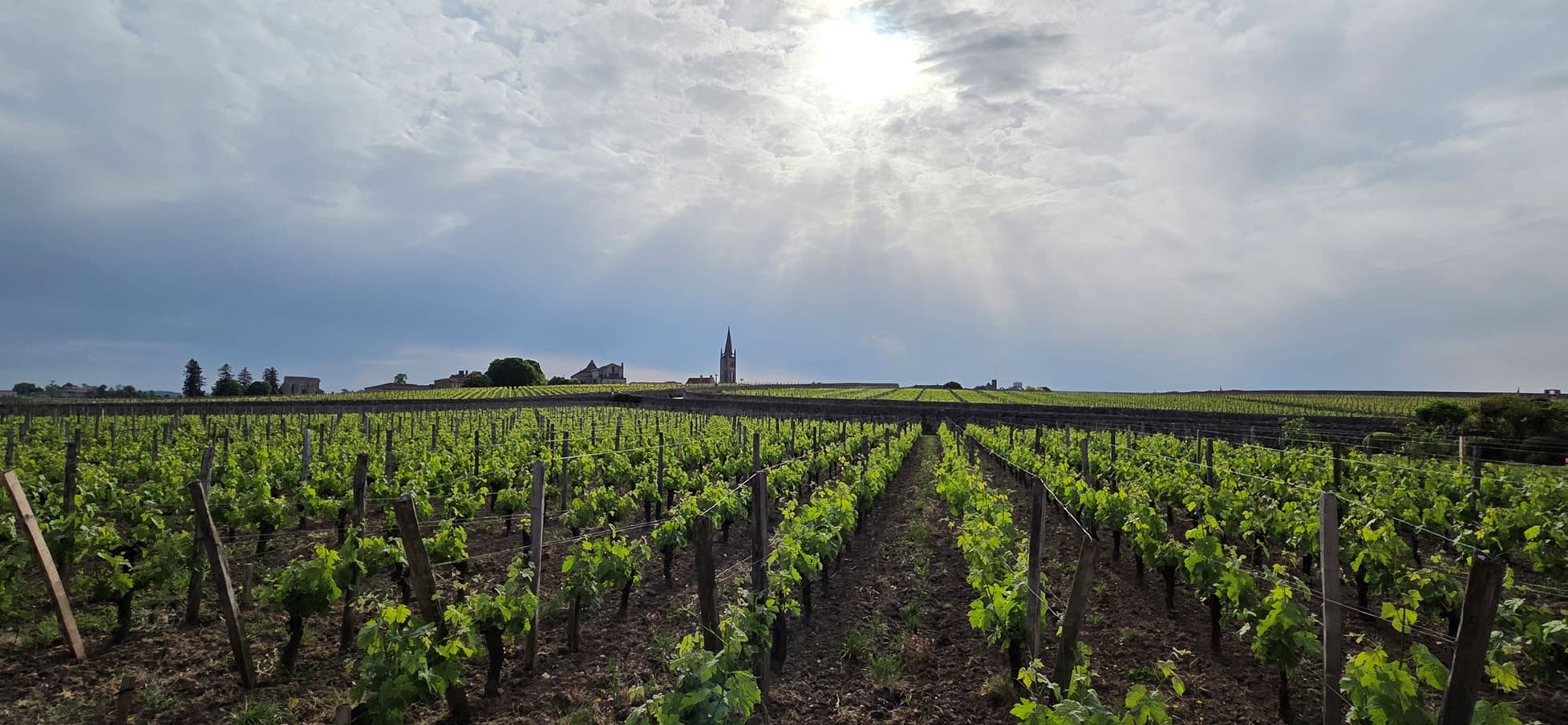
It originated in Bordeaux and is now planted globally (around 341,000 ha), thriving in moderate to warm climates.
The grape’s natural structure and ability to express terroir make it the benchmark for premium red wines worldwide.
Key Characteristics
- Flavours: Blackcurrant (cassis), blackberry, cedar, graphite, green bell pepper (if under-ripe)
- Structure: High tannin, medium to high acidity, full body
- Ageing potential: Excellent – develops cedar, tobacco, and leather with time
- Preferred soils: Warm, well-drained gravel or sandy soils
- Climate needs: Moderate to warm with a long growing season
Viticulture
Cabernet Sauvignon buds and ripens late, needing warmth to achieve full ripeness.
It is vigorous and benefits from careful canopy management to reduce shading and green flavours.
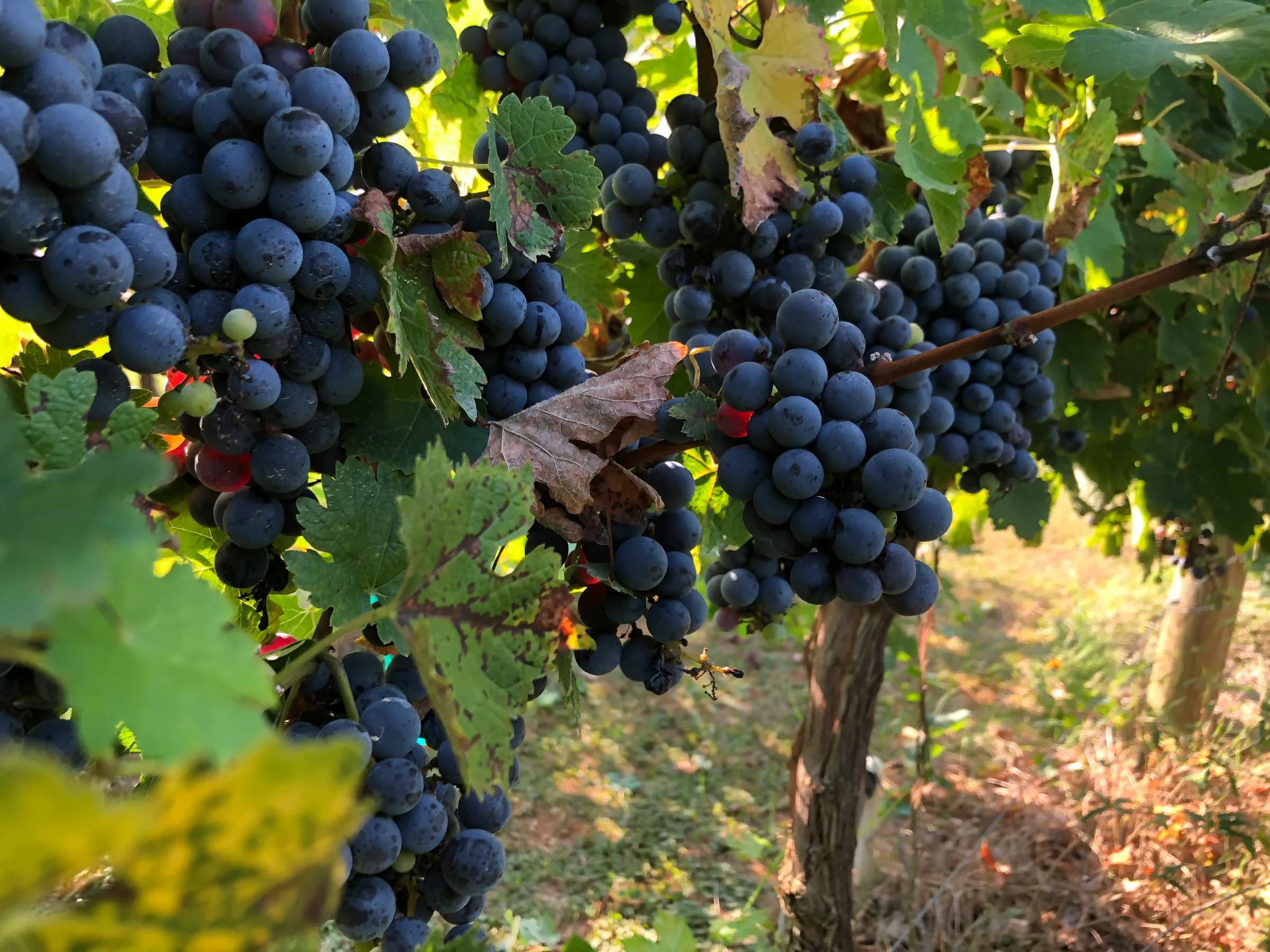
Small berries with thick skins give intense colour and tannin.
Deficit irrigation is often used in dry climates to control vigour and enhance concentration.
Winemaking
Cabernet responds well to oak ageing, particularly in small French barrels.
Extended maceration extracts tannins and colour, while blending with Merlot or Cabernet Franc can add softness and complexity.
Fermentation temperatures are typically warm to maximise structure and flavour depth.
Major Regions and Styles
- Bordeaux (France): Structured, cedar, blackcurrant, graphite; long-lived.
- Languedoc (France): Ripe, supple, fruit-forward; often blended with Syrah.
- Chile (Maipo, Colchagua): Pure cassis fruit, minty freshness, fine tannins.
- California (Napa): Powerful, ripe, full-bodied with oak spice.
- Washington State: Concentrated yet fresh, firm acidity, graphite notes.
- Australia (Coonawarra, Margaret River): Minty, structured or leafy, elegant.
- South Africa (Stellenbosch): Cassis, graphite, savoury complexity.
- Argentina (Mendoza): High-altitude freshness, fine tannins; 77% of national Cabernet comes from Mendoza.
- Spain (Priorat, Navarra): Dense, mineral, balsamic or fresh and spicy.
- China (Ningxia): Fine-grained tannins, red fruit, graphite minerality.
Blending and Other Styles
- Bordeaux blend: Cabernet Sauvignon + Merlot + Cabernet Franc ± Petit Verdot/Malbec.
- Cabernet–Shiraz (Australia): Adds body, spice, and richness.
- Rosé: Dry styles from Pays d’Oc, Chile, and Australia.
- Occasionally made as sparkling red or rosé, or as experimental blanc de noir wines.
Recent Trends
Producers are picking slightly earlier for freshness, using gentler extraction, and reducing new oak to emphasise balance and terroir.
Plantings are expanding in cooler or higher-altitude sites to maintain acidity and aromatic definition.
Sustainability practices—cover crops, drought-tolerant rootstocks, and precise irrigation—are increasingly common.
Check your knowledge
Enthusiast quiz