Catalonia beyond Priorat
Catalonia Beyond Priorat – Diversity of the Mediterranean Highlands
1. Overview
Catalonia, in Spain’s northeast, is one of Europe’s most innovative and geographically varied wine regions.
While Priorat DOQ has achieved global acclaim, the rest of Catalonia—spanning coastal slopes, inland plateaus, and mountain foothills—produces wines of remarkable range and quality.
Across 12 Denominaciones de Origen (DOs) plus the umbrella DO Catalunya, more than 65,000 hectares of vineyards yield still, sparkling, and sweet wines in equal measure of character and diversity.
Mediterranean light, complex geology, and a pioneering mindset underpin Catalan viticulture. Over half of the vineyards are certified organic, making Catalonia Spain’s leader in sustainable production and a reference point for climate adaptation and terroir expression.
2. History and Context
Wine has been made in Catalonia since Phoenician and Roman times, but the region’s modern identity was shaped by monastic viticulture in the Middle Ages.
Cistercian and Benedictine orders such as Scala Dei, Poblet, and Santes Creus expanded and structured vineyard life, linking spiritual centres to agricultural outposts.
After a prosperous 19th century, phylloxera devastated the vineyards, prompting the rise of large cooperatives and a turn toward bulk wine.
In the second half of the 20th century:
- Penedès and Cava led technological and sparkling wine innovation with temperature-controlled fermentations and stainless steel.
- Priorat and later Montsant revived fine red winemaking via small estates, old bush-trained vines, and careful oak regimes.
- Early adopters of organic viticulture made Catalonia a model region for sustainability.
Today, Catalonia’s wine identity blends heritage and experimentation: indigenous grapes, terroir focus, and environmentally conscious farming anchor the “New Catalan” movement.
3. Geography and Climate
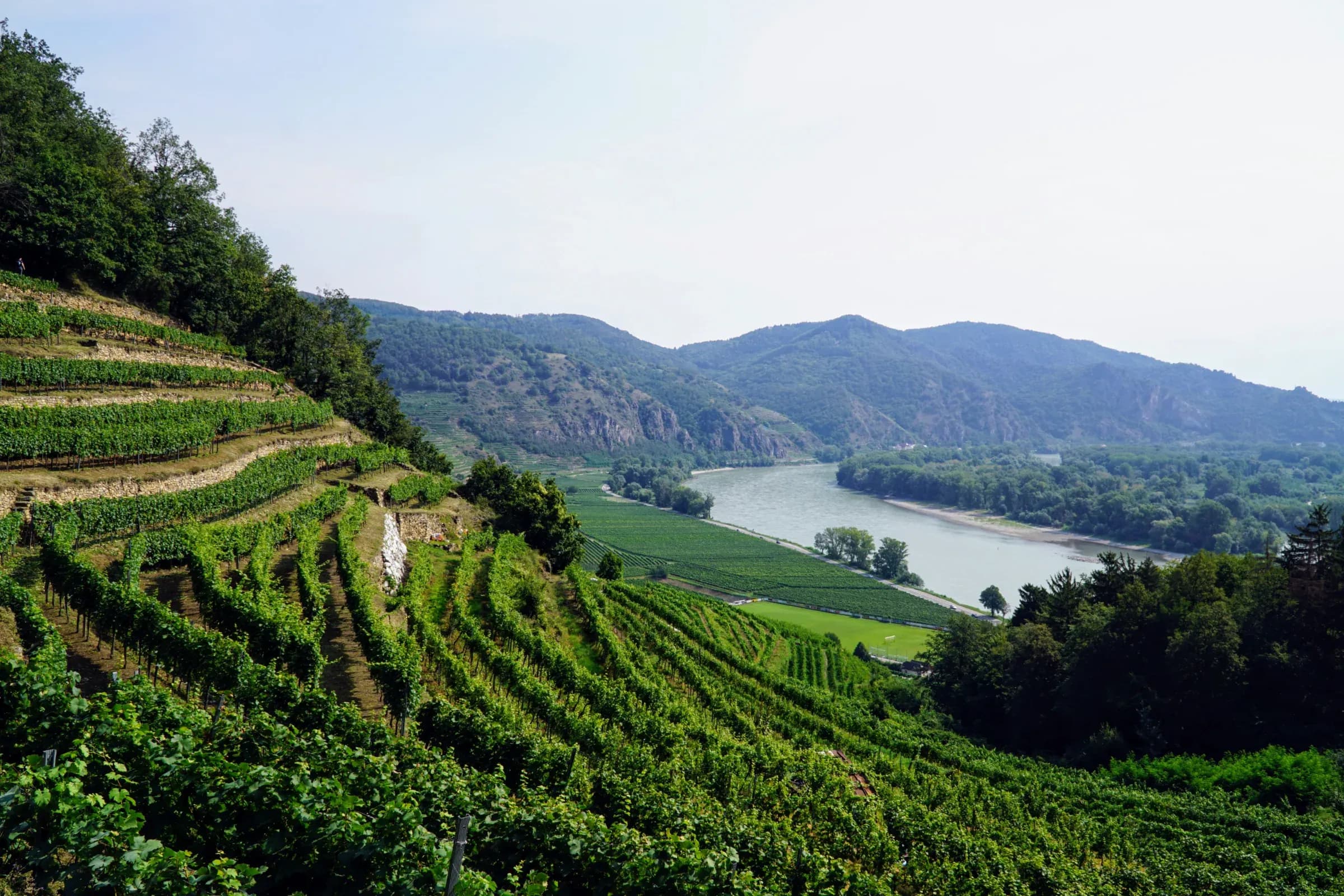
Catalonia’s vineyards extend from the Mediterranean coast to the foothills of the Pyrenees and across the inland Ebro basin. This creates a broad spectrum of climates and exposures.
| Factor | Range / Description |
|---|---|
| Altitude | Sea level to ~1,000 m (Costers del Segre, N. Empordà) |
| Rainfall | ~350–600 mm annually |
| Average temperature | ~14–17 °C; strong diurnal range inland |
| Soils | Limestone, marl, granite, slate (llicorella), clay-loam |
| Key winds | Tramuntana (Empordà) and Mestral (Terra Alta) – cool and dry the vineyards |
The result is a Mediterranean region with continental structure: ripe fruit characters balanced by freshness and tension.
4. Key Appellations Beyond Priorat
4.1 Penedès DO
Catalonia’s largest and most diverse DO, lying between Barcelona and Tarragona.
- Altitude: 200–800 m (Alt Penedès higher and cooler; Baix Penedès warmer and lower).
- Climate: Warm Mediterranean; moderated by sea breezes and altitude.
- Soils: Calcareous clay, marl, some alluvial terraces.
- Key white grapes: Xarel·lo, Macabeu, Parellada, Chardonnay.
- Key black grapes: Garnatxa Negra, Tempranillo (Ull de Llebre), Cabernet Sauvignon, Merlot.
- Styles:
- Still whites, increasingly focused on single-varietal Xarel·lo with mineral, ageworthy profiles.
- Base wines for Cava and other traditional-method sparkling wines.
- Fresh, medium-bodied black-grape wines and blends.
Notable producers: Gramona • Recaredo • Albet i Noya • Can Ràfols dels Caus • Torelló
4.2 Cava DO
Spain’s traditional-method sparkling wine appellation, ~33,000 ha, with around 95% of vineyards in Catalonia (mainly around Penedès).
- Core base regions: Alt and Baix Penedès.
- Key white grapes: Xarel·lo, Macabeu, Parellada, Chardonnay.
- Key black grapes: Pinot Noir, Monastrell, Garnatxa Negra (for rosado).
- Ageing categories:
- Cava de Guarda: ≥9 months on lees
- Reserva: ≥18 months
- Gran Reserva: ≥30 months
- Cava de Paraje Calificado: single-vineyard, ≥36 months
Recent reforms include geographical zoning (e.g. Comtats de Barcelona, Valle del Ebro, Levante) and sustainability requirements for top tiers.
Parallel, non-DO Cava labels:
- Corpinnat: premium, hand-harvested, organic traditional-method sparkling, all from Penedès.
- Clàssic Penedès: within Penedès DO; 100% organic and long-aged traditional-method sparkling.
Notable producers: Raventós i Blanc • Recaredo • Gramona • Juvé & Camps
4.3 Alella DO
A small coastal DO just north of Barcelona (~300 ha), with a long history and a strongly urban context.
- Soils: Sandy decomposed granite known as sauló, highly drained and low fertility.
- Climate: Maritime Mediterranean; mild temperatures, moderate rainfall.
- Key white grapes: Pansa Blanca (local Xarel·lo), Garnatxa Blanca, Chardonnay.
- Key black grapes: Garnatxa Negra, Syrah (small plantings).
- Styles:
- Delicate, floral, saline whites with medium body.
- Limited production of black-grape wines and sparkling.
Notable producers: Alta Alella • Bouquet d’Alella
4.4 Empordà DO
In the far northeast, bordering France; vineyards stretch from the sea up toward the Pyrenees (~1,800 ha).
- Climate: Mediterranean but cooled and dried by the Tramuntana wind; rainfall 500–700 mm.
- Soils: Granite, slate, and sandy loam; significant old vineyards on poor, stony slopes.
- Key white grapes: Garnatxa Blanca, Macabeu, Xarel·lo (small plantings).
- Key black grapes: Garnatxa Negra, Carinyena (Samsó), Syrah.
- Styles:
- Fresh yet structured black-grape wines with mineral edges.
- Pale, vibrant rosés.
- Dry and sweet Garnatxa-based whites.
Notable producers: Espelt • Mas Estela • Perelada • Martí Fabra
4.5 Terra Alta DO
Southern Catalonia’s high, dry uplands (~5,800 ha) southwest of Priorat.
- Altitude: 350–500 m; inland, continental Mediterranean.
- Soils: Limestone, clay, and marl, generally low in organic matter.
- Climate: Hot summers; cooled by the Mestral wind; rainfall ~400 mm.
- Key white grapes: Garnatxa Blanca (flagship), Macabeu.
- Key black grapes: Garnatxa Negra, Carinyena, Syrah.
- Styles:
- Aromatic, full-bodied whites from Garnatxa Blanca with notable texture.
- Structured, ripe black-grape blends with firm, savoury profiles.
Notable producers: Herència Altés • Edetària • Lafou • Altavins
4.6 Conca de Barberà DO
An inland valley and plateau between Tarragona and Lleida (~1,400 ha).
- Altitude: 400–700 m; long ripening season and cool nights.
- Soils: Clay-limestone and alluvial deposits.
- Key white grapes: Parellada, Macabeu, Chardonnay.
- Key black grapes: Trepat, Tempranillo.
- Styles:
- Pale, fragrant black-grape wines based on Trepat (still and sparkling).
- Crisp, high-altitude whites; important source of Cava base wines.
Notable producers: Carles Andreu • Celler Rendé Masdéu
4.7 Costers del Segre DO
A fragmented DO in western Catalonia around Lleida (~4,000 ha), made up of seven subzones.
- Altitude: 300–1,000 m.
- Climate: Continental Mediterranean; low rainfall (~350 mm), high diurnals.
- Soils: Limestone and sandy clay.
- Key white grapes: Chardonnay, Macabeu, Parellada.
- Key black grapes: Garnatxa Negra, Tempranillo, Syrah, Cabernet Sauvignon.
- Styles:
- Modern, balanced reds with ripe fruit and fresh structure.
- Mineral-driven whites from Chardonnay and local blends.
Notable producers: Raimat • Castell del Remei • Cérvoles
4.8 Montsant DO
A horseshoe-shaped DO encircling Priorat DOQ (~2,000 ha).
- Altitude: 200–700 m.
- Soils: Clay, granite, and slate (llicorella), often mixed.
- Key black grapes: Garnatxa Negra, Carinyena; also Syrah and Cabernet Sauvignon.
- Styles:
- Generous, aromatic black-grape wines with ripe fruit and firm yet supple tannins.
- Increasingly terroir-specific cuvées emphasising freshness and precision.
Notable producers: Acústic Celler • Orto Vins • Venus la Universal • Cellers Masroig
5. Principal Grapes, Preferred Soils, and Hazards
| Variety | Colour | Vigour & Yield | Principal DOs | Preferred Soils | Key Traits | Typical Wine Expression | Main Hazards |
|---|---|---|---|---|---|---|---|
| Xarel·lo (Pansa Blanca) | White | Moderate; drought-tolerant | Penedès, Alella | Calcareous clay, marl (Penedès); sandy granite (sauló in Alella) | Thick skins, aromatic, high acid retention | Mineral, lemon, fennel; structured still whites and Cava backbone | Powdery mildew; sunburn on very exposed trellises |
| Macabeu (Viura) | White | High | Penedès, Cava zones, Terra Alta | Calcareous clay, alluvial terraces | Early ripening, delicate aromatics | Floral, soft, rounded texture; blends well | Oxidation; botrytis and poor drought tolerance |
| Parellada | White | High; best at altitude | Penedès, Conca de Barberà | Thin, calcareous soils at high elevation; marl | Late ripening, low alcohol, subtle perfume | Elegant, high-altitude whites and sparkling bases | Downy mildew; late frost at higher sites |
| Garnatxa Blanca | White | Moderate; thrives in heat | Terra Alta, Empordà, Penedès | Limestone, clay, marl; stony terraces | Thick-skinned, aromatic, good dry extract | Full-bodied, textural whites; ripe stone fruit and spice | Wind damage (Mestral/Tramuntana); coulure; sunburn |
| Garnatxa Negra | Black | Vigorous; sun-hardy | Montsant, Terra Alta, Empordà | Stony, well-drained soils; slate, granite, limestone | Medium tannin, spice, warmth | Juicy, perfumed Mediterranean reds; rosés | Coulure in cool bloom; rot if late rain/humidity |
| Carinyena (Samsó) | Black | Late ripening; high acid | Montsant, Empordà, Terra Alta | Poor, stony soils; slate, schist, clay-limestone | High colour and tannin; structural backbone | Firm, mineral reds; essential blending partner | Powdery mildew; water stress on very shallow soils |
| Trepat | Black | Moderate | Conca de Barberà | Deep, cool clay-limestone; some alluvial terraces | Thin skins, high acidity, low colour | Fresh, pale reds and rosés; also sparkling base | Botrytis and bunch rot; frost due to early budburst |
| Tempranillo (Ull de Llebre) | Black | Moderate | Costers del Segre, Penedès, Tarragona | Clay-limestone, loam, river terraces | Balanced, early ripening | Medium-bodied, plummy reds with gentle tannin | Spring frost; mildew and rot in humid vintages |
| Chardonnay | White | Moderate | Penedès, Costers del Segre | Calcareous clay and marl; high, cool sites | Neutral, adaptable, responds to oak | Fresh still whites and high-quality sparkling base | Early budding → frost; sunburn; botrytis in wet harvests |
6. Viticulture, Training Systems, and Production
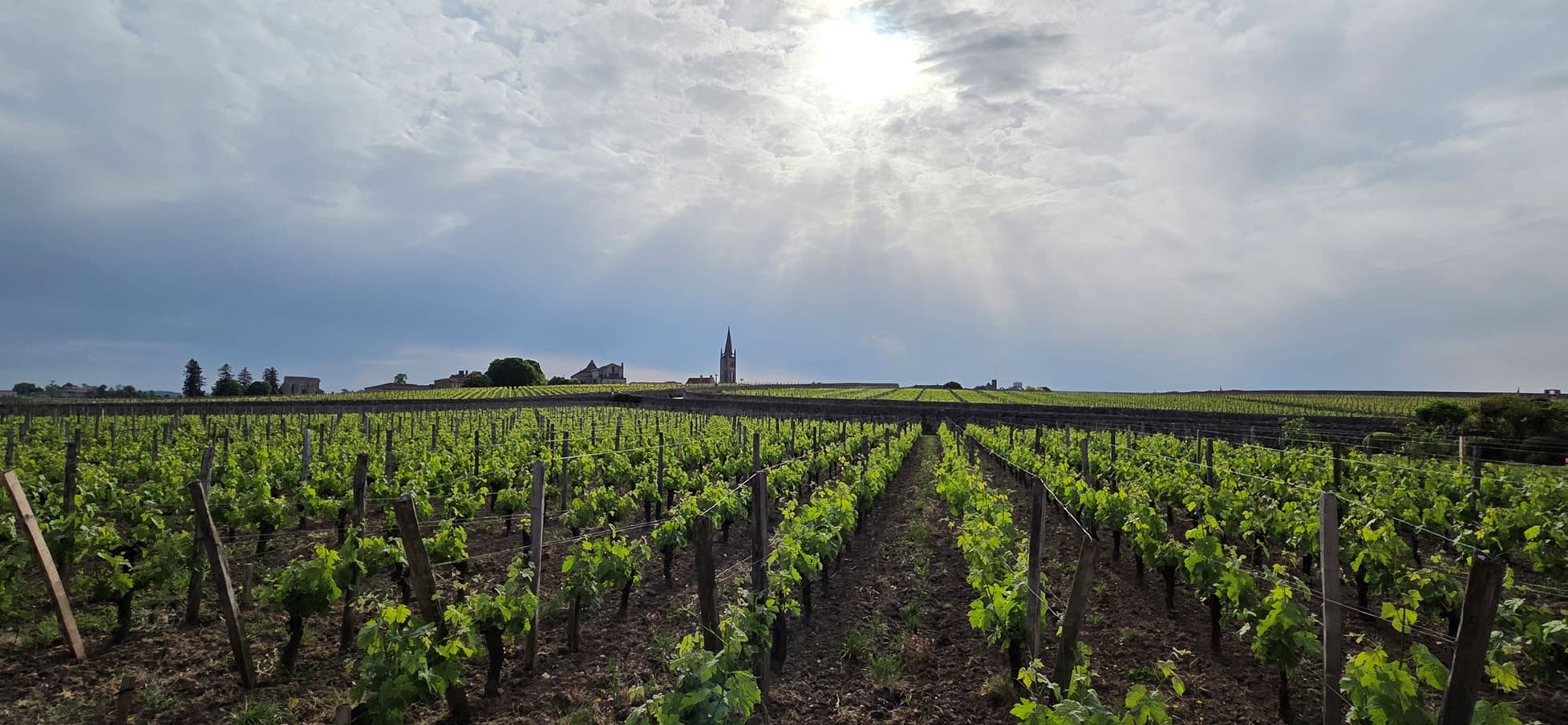
Catalan growers contend with intense sunlight, low rainfall, and persistent winds, especially Tramuntana and Mestral. Viticultural strategies centre on dry-farming, careful canopy management, altitude, and suitable training systems:
- Average yields: ~35–60 hl/ha overall; lower for old-vine Garnatxa and Carinyena.
- Farming: More than half of vineyards are certified organic; biodynamics is well represented in Penedès and Empordà.
- Irrigation: Limited and regulated; many vineyards remain dry-farmed, especially in Terra Alta and Montsant.
- Vine age: Extensive old-vine Garnatxa and Carinyena plantings (50–100+ years), often bush-trained.
Training Systems & Pruning:
-
Vaso (bush vines): Traditional in Terra Alta, Montsant, Empordà, and parts of Costers del Segre.
- Advantages: excellent for dry-farming, natural shade around bunches, wind resistance.
- Drawbacks: labour-intensive; difficult mechanisation.
-
Espaldera (vertical trellis): Dominant in Penedès, Cava zones, Costers del Segre for Xarel·lo, Macabeu, Chardonnay, and international grapes.
- Allows mechanised operations, precise canopy work, and tailored sun exposure.
-
Cordon Royat / Guyot: Common in inland and higher-altitude sites (Alt Penedès, Conca de Barberà, some Costers del Segre) to balance yield and ripeness.
-
Experimental pergola / lyre: Limited use, mainly for aromatic white varieties in more humid or shaded parcels.
Training choice is closely linked to microclimate and desired style:
- Bush-trained, low-vigour vines for concentrated, site-driven still wines.
- Trellised systems where cleanliness, yield control, and base-wine consistency are essential (especially for sparkling).
7. Winemaking and Styles
Catalonia is one of Spain’s most experimental winemaking regions:
- Sparkling wines: Traditional-method Cava, Corpinnat, and Clàssic Penedès; increasingly organic and long-aged.
- Still whites: Rising prestige for Xarel·lo, Garnatxa Blanca, and high-altitude Parellada; mix of stainless, oak, and amphora.
- Still blacks: Mediterranean blends based on Garnatxa and Carinyena in Montsant, Empordà, Terra Alta; fresher, lower-alcohol styles are increasingly favoured.
- Rosés: Pale, perfumed rosés from Trepat and Garnatxa, often in a Provençal style.
- Orange / skin-contact wines: Growing category, especially from Xarel·lo and Garnatxa Blanca in Penedès, Alella, Empordà, and Terra Alta.
8. Production Overview (Selected DOs)
| DO | Area (ha) | Main Grapes | Altitude / Climate | Core Styles | Defining Traits |
|---|---|---|---|---|---|
| Penedès | ~25,000 | Xarel·lo, Macabeu, Parellada, Chardonnay, Ull de Llebre | 200–800 m; Mediterranean | Still whites, sparkling base, fresh reds | Innovation hub; high organics |
| Cava | ~33,000 (mostly Catalonia) | Xarel·lo, Macabeu, Parellada, Chardonnay, Pinot Noir | Mediterranean | Traditional-method sparkling | Zoning & ageing tiers |
| Alella | ~300 | Pansa Blanca, Garnatxa Blanca | 50–250 m; coastal | Floral, saline whites | Sandy sauló granite |
| Empordà | ~1,800 | Garnatxa, Carinyena, Garnatxa Blanca | Sea to ~260 m; Mediterranean + Tramuntana | Fresh reds, rosés, structured whites | Granite & slate slopes |
| Terra Alta | ~5,800 | Garnatxa Blanca & Negra, Carinyena, Syrah | 350–500 m; continental-Med | Full whites, robust still blacks | Benchmark for Garnatxa Blanca |
| Conca de Barberà | ~1,400 | Trepat, Parellada, Macabeu | 400–700 m; continental | Light reds/rosés, sparkling base | Trepat specialty |
| Costers del Segre | ~4,000 | Garnatxa, Tempranillo, Syrah, Chardonnay | 300–1,000 m; continental | Modern reds, mineral whites | Inland, high-altitude freshness |
| Montsant | ~2,000 | Garnatxa, Carinyena | 200–700 m; Mediterranean | Structured still blacks | Encircles Priorat DOQ |
9. Modern Trends
- New Catalan Wine movement: small producers emphasising local grapes, single-vineyard bottlings, and minimal intervention.
- Sparkling wine evolution: Corpinnat and Clàssic Penedès offering premium, fully organic alternatives to Cava.
- Climate adaptation: vineyard expansion into higher altitudes and north-facing aspects; revival of drought-tolerant varieties like Sumoll and Malvasia de Sitges.
- Sustainability: broad adoption of organic and regenerative agriculture; increasing number of carbon-neutral wineries.
- Identity shift: reduced reliance on international grapes, renewed pride in Xarel·lo, Garnatxa, Carinyena, Trepat and other local varieties.
10. Summary
Beyond Priorat, Catalonia is a tapestry of microclimates and soils, united by Mediterranean light and a culture of innovation.
From Xarel·lo’s saline precision in Penedès and Garnatxa Blanca’s density in Terra Alta to Trepat’s pale elegance in Conca de Barberà and Carinyena’s mineral grip in Empordà, its wines combine ripeness with freshness and a clear sense of place.
Catalonia stands today as Spain’s most dynamic wine frontier—where centuries-old vines, progressive viticulture, and creative winemaking converge to define the future of Mediterranean wine.
Check your knowledge
Expert quiz