Catalonia beyond Priorat
Catalonia Beyond Priorat
1. Overview
Catalonia, in the northeast of Spain, is a very sunny and varied wine region.
While Priorat is famous for powerful reds, the rest of Catalonia makes many other styles: fresh whites, sparkling Cava, light reds, rosés, and even some skin-contact wines.
There are 12 official wine regions (DOs), each with its own landscape and grapes.
2. Landscape and Climate
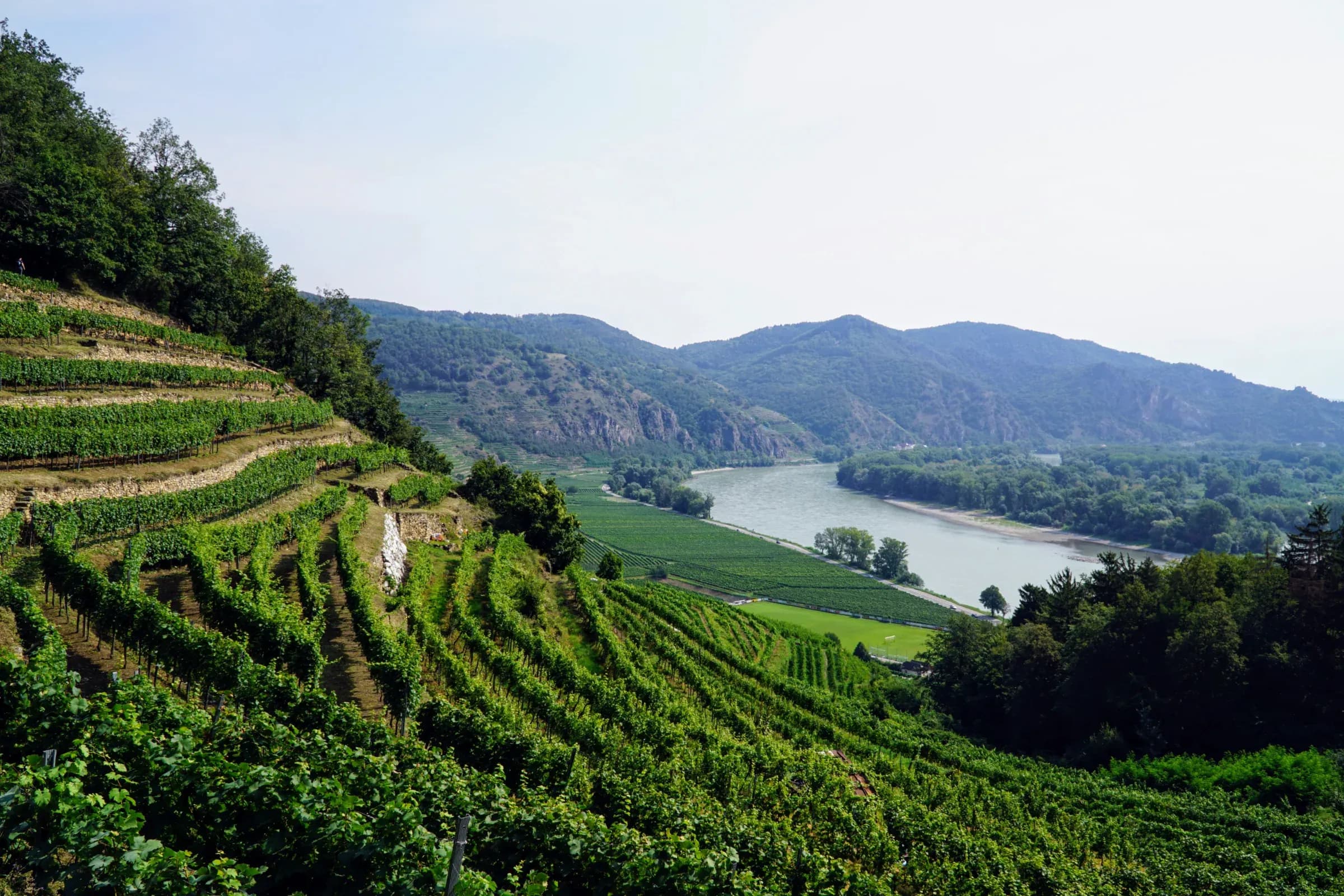
Catalonia has vineyards along the Mediterranean coast, in the warm inland plains, and up in the cooler hills and mountains.
- The coast is warm and breezy.
- Inland areas are hotter during the day but cool at night.
- Some places are very windy, like Empordà (Tramuntana) and Terra Alta (Mestral).
These differences help make wines that can be crisp and light or rich and full.
3. Main Wine Regions (Beyond Priorat)
Penedès
The most important area for white wines and sparkling wine.
- Main grape: Xarel·lo
- Makes: fresh whites and base wines for Cava
- Well-known producers: Gramona, Recaredo
Cava DO
Traditional-method sparkling wine (like Champagne).
- Mainly made from Xarel·lo, Macabeu, Parellada, and sometimes Chardonnay
- Styles range from simple and fruity to long-aged and complex
Alella
A tiny wine region just outside Barcelona.
- Famous for Pansa Blanca (local Xarel·lo)
- Wines are light, floral, and a bit salty
Empordà
Northeast corner near France.
- Known for Garnatxa and Carinyena
- Makes fresh reds, pale rosés, and some flavourful whites
Terra Alta
Hot, sunny inland region.
- Speciality: Garnatxa Blanca
- Produces rich, full-bodied whites and warm, smooth reds
Conca de Barberà
High and cool.
- Home of Trepat, a pale, fresh, lightly spicy black grape
- Makes light reds, rosés, and sparkling bases
Costers del Segre
Inland, made up of several small subregions.
- Uses both local and international grapes
- Style: modern, fresh reds and mineral whites
Montsant
Surrounds Priorat.
- Uses Garnatxa and Carinyena
- Wines are generous and fruity but softer than Priorat
4. Grapes You’ll Find Here
| Grape | Colour | What It Tastes Like | Where It Grows |
|---|---|---|---|
| Xarel·lo | White | Lemon, herbs, mineral | Penedès, Alella |
| Macabeu | White | Light, floral, soft | Cava regions, Penedès |
| Parellada | White | Delicate, fresh | High Penedès, Conca de Barberà |
| Garnatxa Blanca | White | Rich, peachy, full | Terra Alta, Empordà |
| Garnatxa Negra | Black | Juicy red fruit, spice | Montsant, Terra Alta |
| Carinyena | Black | Dark, structured | Montsant, Empordà |
| Trepat | Black | Light, pale, peppery | Conca de Barberà |
| Tempranillo | Black | Cherry, soft tannins | Penedès, Costers del Segre |
5. How the Vines Are Grown
Catalonia is mostly warm and dry, so growers often use methods that help vines handle heat and wind.
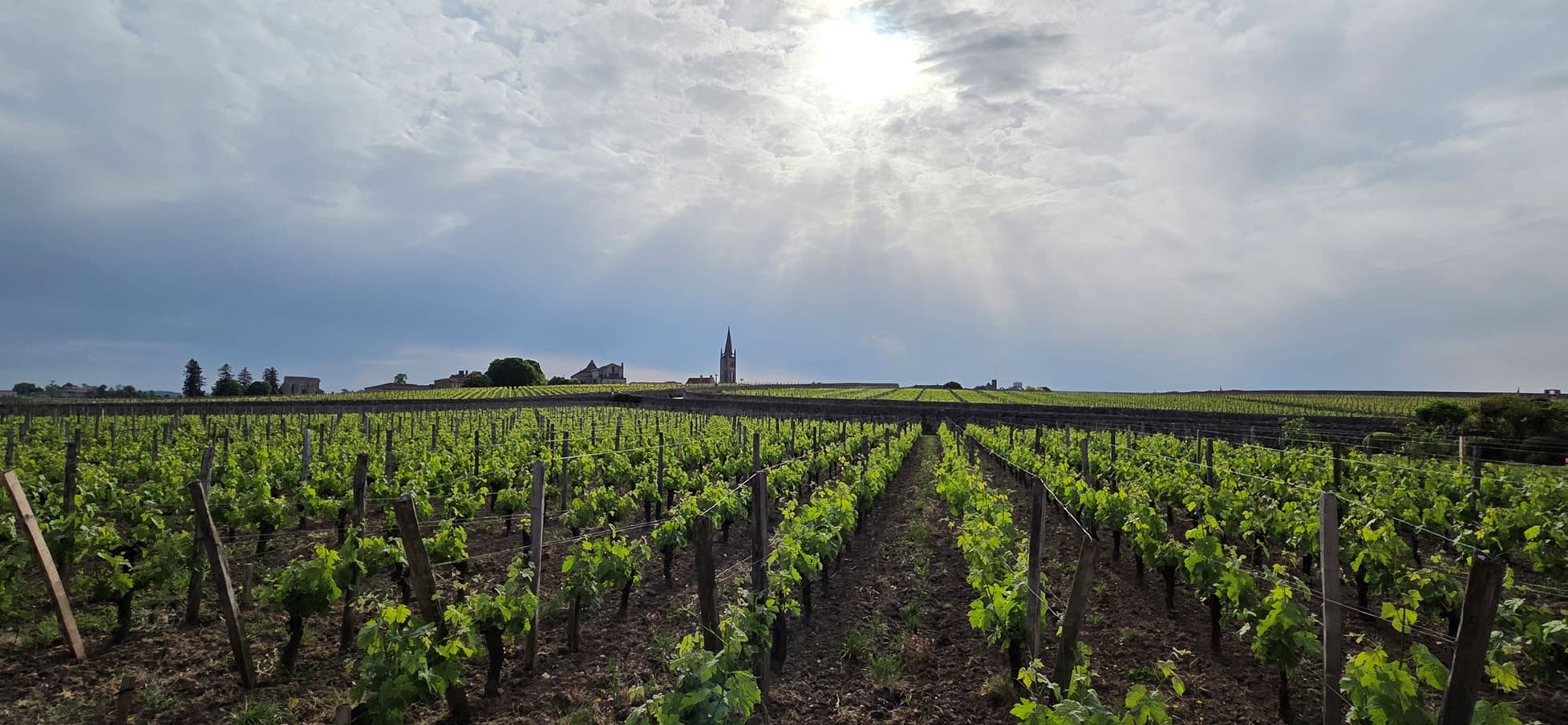
- Bush vines: common in Terra Alta, Montsant, Empordà; low to the ground and good for dry soils.
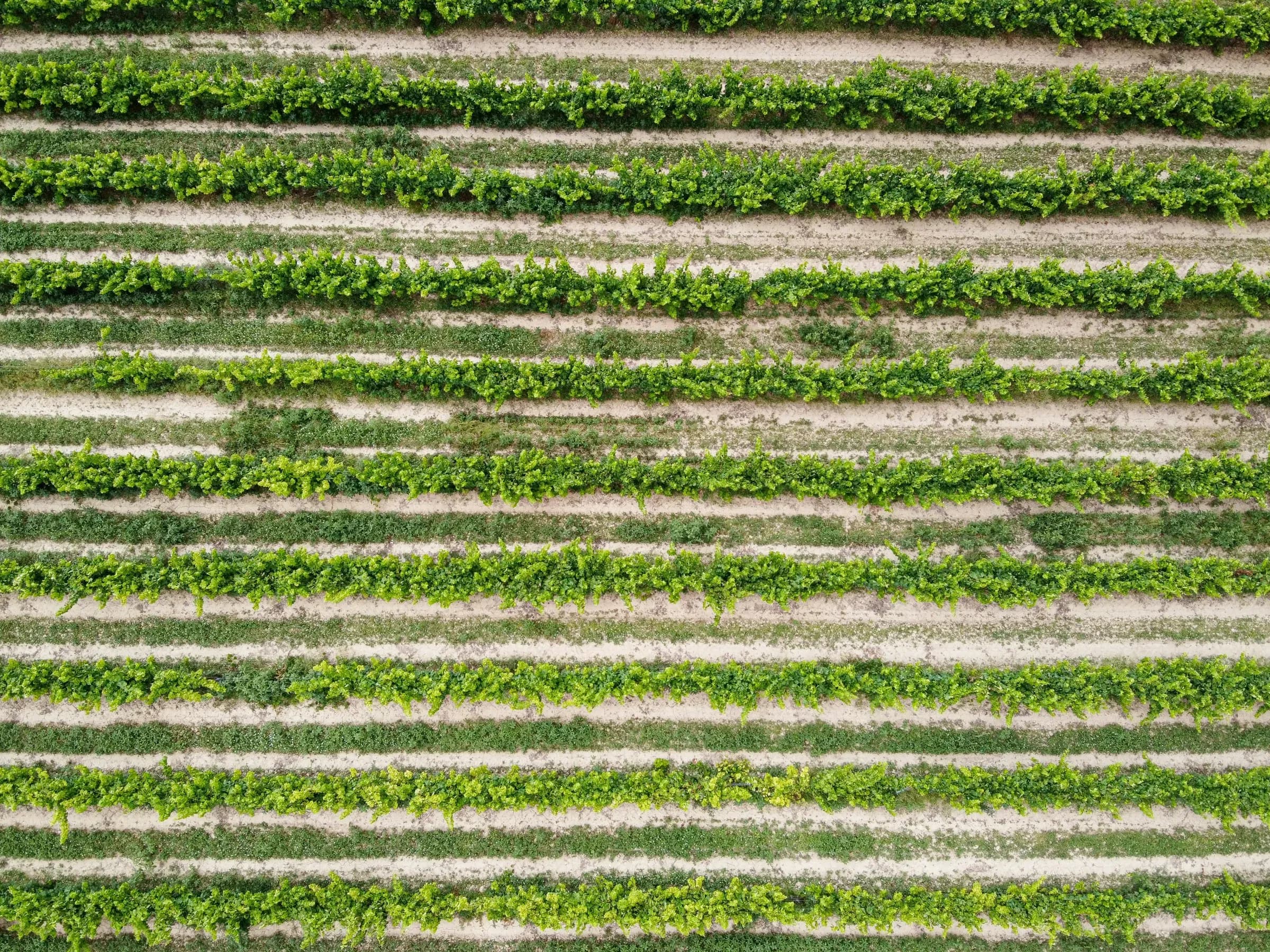
- Trellised vines: used in Penedès and sparkling-wine areas; neat rows that allow good sun and air flow.
Many vineyards are organic, and irrigation is limited.
6. Styles of Wine
- Sparkling: Cava and other traditional-method wines
- White wines: fresh Xarel·lo and full Garnatxa Blanca
- Red wines: smooth Garnatxa and firmer Carinyena
- Rosé (Rosat): pale, fruity, often made with Trepat or Garnatxa
- Skin-contact wines: growing trend in Alella, Empordà, and Terra Alta
7. Summary
Catalonia is much more than Priorat — it is a region full of different landscapes, climates, and grape varieties.
From the mineral whites of Penedès to the rich Garnatxa Blanca of Terra Alta and the fragrant Trepat of Conca de Barberà, Catalonia makes wines that are bright, expressive, and full of character.
It is one of Spain’s most exciting and creative wine regions.
Check your knowledge
Explorer quiz