Champagne Spotlight
Champagne: Region Overview (Level 3)
1. Location and Climate
The Champagne region, about 150 km northeast of Paris, is France’s coolest major wine area. The climate is mainly cool continental with some maritime influence, bringing frequent rainfall.
Average temperatures of around 10 °C mean grapes ripen slowly, keeping the high acidity needed for sparkling wine.
Rain, spring frost, and fungal disease are regular hazards.
2. Soils and Vineyards
Champagne’s famous chalk soils are vital to its success. They provide excellent drainage yet also retain water in dry periods through fine pores. Chalk also reflects sunlight, helping ripening in this cool region.
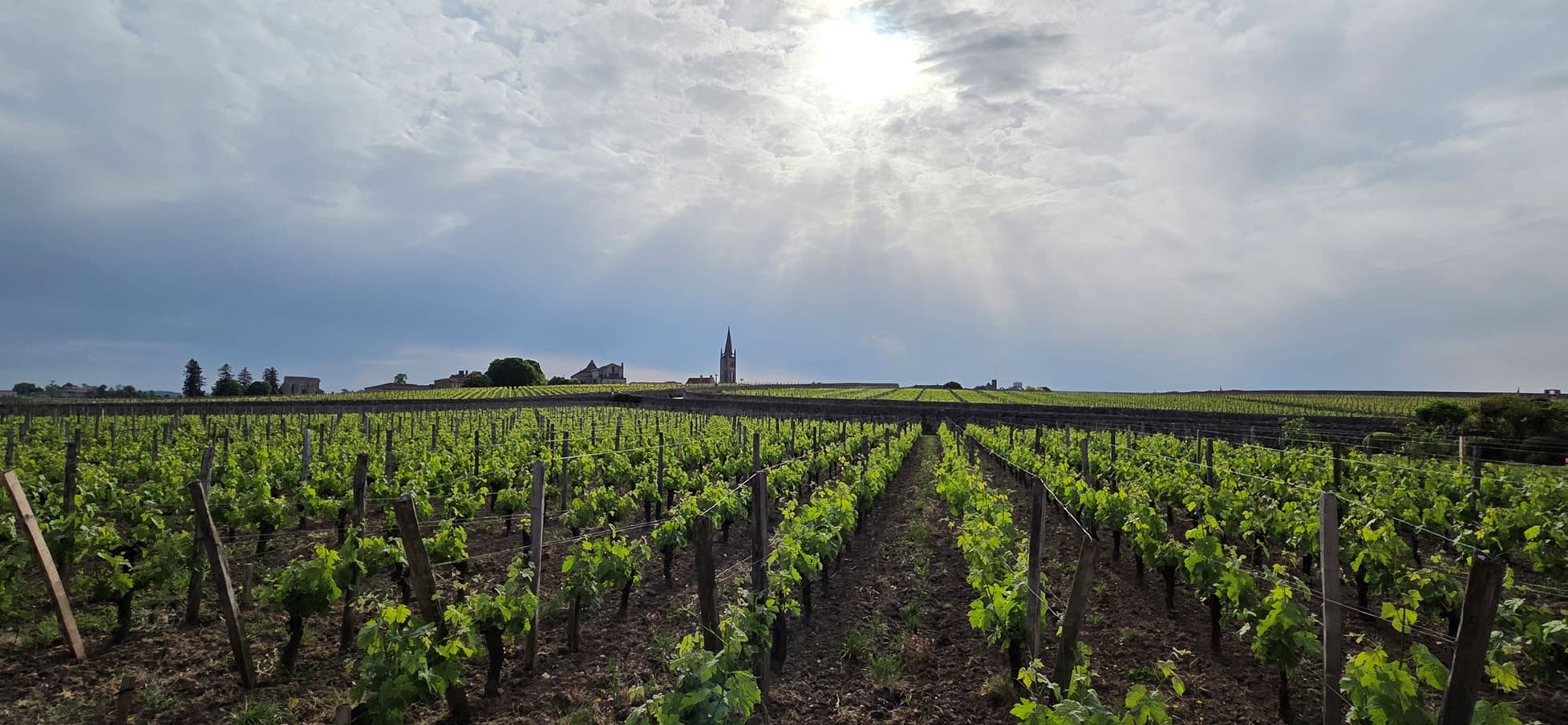
Most vineyards are on gentle, east- or southeast-facing slopes, capturing warmth and reducing frost risk.
Main subregions:
- Montagne de Reims – chalk and marl; mainly Pinot Noir giving structure and body.
- Vallée de la Marne – more clay; suited to frost-resistant Pinot Meunier.
- Côte des Blancs – pure chalk; ideal for Chardonnay, giving elegance and acidity.
- Aube (Côte des Bar) – warmer, marl soils; fruitier Pinot Noir.
3. Grape Varieties
| Grape | Key Traits | Contribution |
|---|---|---|
| Pinot Noir (≈ 38%) | Black-skinned, early-budding; best on chalk and marl. | Adds structure, body, and red-fruit flavour. |
| Chardonnay (≈ 31%) | Late-ripening; thrives on chalk. | Brings freshness, citrus notes, and ageing potential. |
| Pinot Meunier (≈ 31%) | Black-skinned, later-budding, frost-resistant; suited to clay soils. | Adds fruitiness, softness, and roundness. |
Four older permitted grapes — Arbane, Petit Meslier, Pinot Blanc, and Pinot Gris (Fromenteau) — are now extremely rare (< 0.3 % of plantings).
4. Viticulture
Yields are tightly controlled by the Comité Champagne (CIVC) to balance quality and supply.
Typical limit: 10 000–12 000 kg/ha (legal ceiling around 15 500 kg/ha). Surplus wine can be held in reserve to maintain non-vintage consistency.
Hand-harvesting is compulsory to protect grapes for the traditional-method process.
5. Winemaking – The Traditional Method
Champagne is made by the traditional method, involving two fermentations:
- Primary fermentation – produces still base wine (vin clair).
- Blending (assemblage) – combines wines from different grapes, vineyards, and years.
- Tirage – addition of yeast and sugar before bottling.
- Second fermentation in bottle – creates bubbles and 1–1.5 % extra alcohol.
- Ageing on lees – minimum 15 months (non-vintage) or 36 months (vintage), adding bready, biscuity flavours.
- Riddling and disgorgement – removes yeast sediment.
- Dosage – small addition of wine and sugar to adjust sweetness.
Disgorgement and Bottle Size
Longer lees ageing and later disgorgement bring greater complexity. Larger bottles, especially magnums, mature more slowly and evenly.
6. Rosé Champagne
Rosé makes up about 10–12 % of total production and can be made by two methods:
- Blended Rosé (Rosé d’Assemblage) – a small amount of still red Pinot Noir or Meunier is added to white base wine before second fermentation. Produces pale, elegant, fruit-driven styles.
- Maceration Rosé (Rosé de Saignée) – juice is left briefly on skins before pressing. Produces deeper colour, fuller body, and more intense fruit.
Prestige rosés such as Cristal Rosé and Dom Pérignon Rosé are aged for many years to build richness and complexity.
7. Non-Vintage and Vintage Styles
- Non-Vintage (NV): about 80–85 % of production; blend of several harvests to maintain house style; aged 15–36 months.
- Vintage: made only in exceptional years from a single harvest; aged at least 3 years, often longer; shows greater structure and individuality.
NV expresses the house style; vintage reflects the character of the year.
8. Producers and Styles
Most wine comes from large Grandes Marques such as Moët & Chandon, Veuve Clicquot, Bollinger, and Krug, known for consistency and blending skill.
Alongside them, grower Champagnes from smaller estates like Egly-Ouriet, Pierre Péters, and Jacques Selosse focus on terroir and individuality.
9. Strengths and Challenges
Strengths
- Global luxury reputation and brand power.
- Cool climate and chalk soils produce natural acidity and finesse.
- Long tradition and technical excellence.
Challenges
- Frost, rain, and disease pressure.
- High production costs.
- Increasing competition from other traditional-method sparkling regions (e.g. England, Franciacorta, Trentodoc).
10. Summary
Champagne’s reputation is built on its cool climate, chalk soils, and expert blending.
The Grandes Marques define global style, while grower-producers highlight terroir diversity.
Despite climate and market challenges, Champagne remains the world’s benchmark for fine sparkling wine.
Check your knowledge
Enthusiast quiz