Champagne Spotlight
Champagne: Viticulture, Winemaking, and Market Dynamics
1. Geographic and Environmental Overview
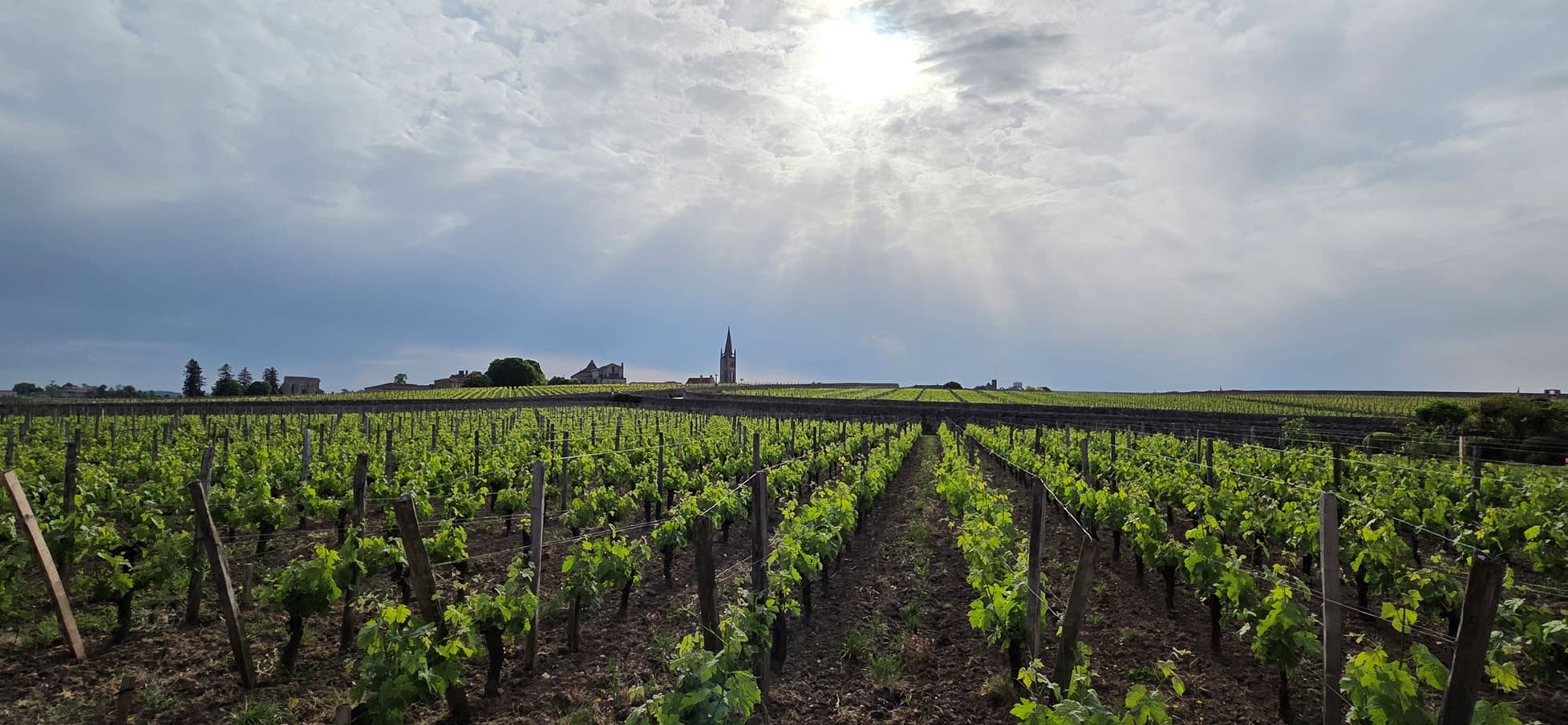
The Champagne AOC, located about 150 km northeast of Paris, is France’s northernmost major wine region. It spans approximately 34,000 hectares across five key subregions: Montagne de Reims, Vallée de la Marne, Côte des Blancs, Côte de Sézanne, and Aube (Côte des Bar).
The climate is cool continental with oceanic influence, marked by low average temperatures (around 10 °C), frequent spring frosts, and high rainfall (650–700 mm per year). Viticulture here is marginal: achieving full ripeness and balance requires careful vineyard selection and blending expertise.
Soils and Topography
Champagne’s hallmark is its chalk subsoil (Cretaceous chalk and marl), which provides:
- Excellent surface drainage, preventing waterlogging in the humid climate.
- Deep moisture retention through micropores, allowing vines to draw water steadily via capillary action.
- Reflective properties, improving canopy illumination and aiding ripening.
This dual behaviour of chalk — free drainage combined with moisture storage — is vital to maintaining vine balance and consistency in this cool, variable environment.
The best vineyards lie on east- and southeast-facing slopes, minimising frost risk and maximising sunlight exposure.
Climate Challenges
Frost, rain during flowering, and botrytis pressure are persistent hazards.
Climate change has improved average ripeness and vintage reliability but introduced new issues: earlier budburst, summer heat spikes, and slightly lower acidities.
Growers adapt through canopy management, later pruning, and targeted clonal and rootstock choices to maintain freshness.
2. Viticulture and Grape Material
Principal Grape Varieties and Their Roles
| Variety | Viticultural Characteristics | Sensory & Structural Profile | Contribution to the Blend |
|---|---|---|---|
| Pinot Noir (≈ 38%) | Black-skinned variety that buds early and ripens relatively early; best on well-drained chalk and marl soils of Montagne de Reims and Aube (Côte des Bar). Susceptible to spring frost and millerandage, but thrives on slopes with good sun exposure. | Produces wines with firm structure, depth, and darker fruit tones (cherry, redcurrant, plum). With age, develops spice, truffle, and gamey complexity. | Adds power, structure, and longevity. Foundation of Pinot-dominant houses such as Bollinger, Veuve Clicquot, and Pol Roger. |
| Chardonnay (≈ 31%) | White-skinned variety that ripens late and excels on pure chalk soils of the Côte des Blancs and Côte de Sézanne. Sensitive to frost and wind, but valued for its high acidity and ability to express mineral purity. | Produces fine, linear wines with citrus, white flowers, and chalky minerality. With ageing, develops notes of honey, brioche, and creamy autolytic richness. | Contributes freshness, finesse, and long ageing capacity. Central to blanc de blancs styles and balance in blends. |
| Pinot Meunier (≈ 31%) | Black-skinned, later-budding and early-ripening; highly resistant to frost and coulure, performing well on cooler, clay-rich soils such as those in the Vallée de la Marne. Reliable even in challenging years. | Produces supple, fruit-forward wines with vivid berry character (raspberry, strawberry, cherry) and soft texture. Less structured but aromatic and approachable. | Adds fruitiness, roundness, and youthful charm. Key for non-vintage balance; increasingly used for expressive single-varietal cuvées (e.g. Laherte Frères, Georges Laval). |
(Varietal proportions vary slightly by year and source.)
Other Permitted but Rare Varieties
Four additional historic varieties remain authorised under the Champagne AOC: Arbane, Petit Meslier, Pinot Blanc, and Pinot Gris (Fromenteau).
Together, they represent less than 0.3% of total plantings but contribute heritage value and aromatic nuance.
- Arbane – late-ripening white grape with high acidity and herbal citrus notes; useful for freshness in warm years.
- Petit Meslier – extremely high acid and crisp citrus character; contributes vibrancy to blends.
- Pinot Blanc – soft, rounded texture with white-fruit aromatics; moderates acidity.
- Pinot Gris (Fromenteau) – aromatic, spicy, and peachy; adds weight and perfume.
Producers such as Aubry Fils (“Le Nombre d’Or”), Moutard Père et Fils (“Cuvée Six Cépages”), and A.R. Lenoble (“Les Aventures”) showcase these varieties in rare multi-varietal cuvées, celebrating Champagne’s pre-modern genetic diversity.
Clonal and Yeast Selection
The Comité Champagne (CIVC) leads ongoing clonal research to balance yield reliability and aromatic finesse — for example, Pinot Noir 386 and Chardonnay 96.
A growing number of estates now return to massal selection to recover genetic complexity and terroir transparency.
Primary fermentations typically use neutral, cool-fermenting Saccharomyces cerevisiae strains chosen for consistency, though artisanal producers increasingly rely on indigenous yeasts to enhance individuality.
Yield Regulation and Pressing Limits
Yields are tightly controlled by the CIVC to stabilise quality and market supply.
- Typical authorised yield: 10,000–12,000 kg/ha, depending on the year.
- Legal ceiling (rendement butoir): ≈15,500 kg/ha.
- Surplus wine can be stored as réserve individuelle (up to about 8,000 kg/ha equivalent).
- Pressing limit: 160 kg of grapes → 102 L of must, ensuring purity and concentration.
High permitted yields are offset by strict pressing limits, careful fruit selection, and disciplined blending.
3. Still Wines of Champagne
Although sparkling wines define the region, Champagne also produces limited quantities of still wines under the Coteaux Champenois AOC and Rosé des Riceys AOC — reviving styles that pre-date secondary fermentation.
Coteaux Champenois
Covers all five subregions, allowing white, red, and rosé wines. Pinot Noir and Chardonnay dominate, but Meunier and the rarer heritage grapes also appear.
- Whites range from brisk and mineral to creamy and barrel-aged.
- Reds, especially from Bouzy and Ambonnay, show Burgundian depth and savoury complexity.
- Notable examples include Bollinger “La Côte aux Enfants”, Egly-Ouriet Ambonnay Rouge, and Larmandier-Bernier Vertus Blanc.
Rosé des Riceys
A separate AOC restricted to the village of Les Riceys in the Aube (Côte des Bar), made exclusively from Pinot Noir via maceration.
Rosé des Riceys combines red fruit intensity with fine tannin structure and moderate ageing potential, bridging Champagne and Burgundy in style.
Key producers include Alexandre Bonnet and Bouchard Père et Fils.
With warmer growing seasons improving ripeness, still wine production is experiencing renewed interest, showcasing terroir identity alongside the region’s sparkling traditions.
4. The Traditional (Champagne) Method
Champagne’s Méthode Traditionnelle remains the global benchmark for premium sparkling wine production.
- Primary fermentation – vin clair production, usually in stainless steel, sometimes oak.
- Assemblage (blending) – combination of varieties, crus, and reserve wines to achieve the house style.
- Tirage – addition of liqueur de tirage (yeast + sugar) before bottling.
- Second fermentation – generates CO₂ and about 1–1.5% extra alcohol.
- Ageing on lees – minimum 15 months for non-vintage, 36 months for vintage; prestige cuvées often 7–10 years or more.
- Riddling and disgorgement – removal of yeast sediment.
- Dosage – addition of liqueur d’expédition (wine + sugar) to define style.
Timing of Disgorgement
Disgorgement timing significantly affects profile:
- Early disgorgement yields fresher, fruit-led wines.
- Late disgorgement enhances autolytic depth (brioche, hazelnut, umami) and refines texture.
Bottle Format and Maturation
Ageing rate varies by bottle size. Larger formats (especially magnums) mature more slowly due to lower oxygen exposure, creating finer mousse and greater aromatic integration.
Bollinger stores much of its reserve wine in magnums under cork for 5–15 years, while its R.D. cuvées illustrate the complexity achieved through long lees ageing and late disgorgement. The house has also experimented with bottle design to optimise maturation dynamics.
5. Rosé Champagne Production
Rosé accounts for around 10–12% of total output and is one of the few AOCs in France that allows blending red and white wines. Two methods are used: assemblage (blending) and saignée (maceration).
Rosé d’Assemblage (Blended Rosé)
The dominant technique, representing roughly 90% of production.
A small portion (5–20%) of still red Pinot Noir or Meunier from villages such as Bouzy or Ambonnay is blended with white base wine prior to secondary fermentation.
Results are pale, delicate wines with aromas of redcurrant, strawberry, and citrus.
This approach ensures precision and stylistic consistency — favoured by houses like Veuve Clicquot, Ruinart, and Moët & Chandon.
Rosé de Saignée (Maceration)
A traditional but rarer technique involving short skin contact (12–48 hours) before pressing.
Produces deeper colour, richer texture, and more vinous complexity.
Requires fully ripe, healthy fruit and close monitoring.
Champagnes from Benoît Lahaye, Egly-Ouriet, and Bollinger “La Grande Année Rosé” exemplify this style.
Dosage and Ageing
Rosé Champagnes often receive slightly higher dosage to balance structure and acidity. Prestige cuvées such as Cristal Rosé and Dom Pérignon Rosé may age 8–10 years on lees before disgorgement.
Stylistic Overview
- Assemblage rosés – pale, elegant, fruit-driven, ideal as aperitif styles.
- Saignée rosés – deeper, gastronomic wines with pronounced fruit and texture.
Rosé Champagne’s popularity continues to grow globally, especially in the U.S. and Japan, as consumers seek both visual appeal and gastronomic versatility.
6. Non-Vintage vs Vintage Champagne
Non-Vintage (NV)
- Represents around 80–85% of production.
- Blend of multiple harvests (2–5 vintages) for consistent house style.
- Includes 30–40% reserve wines.
- Typically aged 15–36 months on lees; designed for freshness and approachability.
Vintage Champagne
- Made only in exceptional years; 100% single harvest.
- Aged at least 3 years on lees, often much longer.
- Reflects terroir and vintage character with greater structure and longevity.
- Usually dominated by Pinot Noir and Chardonnay, with minimal Meunier.
Summary: Non-vintage represents the house philosophy; vintage expresses the character of the year.
7. Industry Structure and Market Trends
Grandes Marques (Major Houses)
About 70% of production and 90% of exports come from the Grandes Marques, whose vineyard networks and technical capacity define Champagne’s global reputation.
Representative producers and styles:
- Moët & Chandon – world’s largest; fruit-driven precision (Brut Impérial).
- Veuve Clicquot – Pinot Noir-driven depth and spice; innovation in riddling.
- Bollinger – oak-fermented base wines; long lees ageing; avoids malolactic conversion for tension and longevity.
- Louis Roederer – biodynamic vineyards; Cristal epitomises finesse and terroir transparency.
- Pol Roger – classical balance; Cuvée Sir Winston Churchill noted for structure and refinement.
- Charles Heidsieck – creamy autolytic texture; extensive reserve library.
- Krug – small-lot oak fermentations; Grande Cuvée blends 200+ base wines.
- Ruinart – Chardonnay-led purity and minerality; oldest established house (1729).
- Taittinger – elegant, floral, Chardonnay-forward blends.
- Laurent-Perrier – innovators in zero-dosage (Ultra Brut) and maceration rosé styles.
Récoltant-Manipulant (Grower Champagnes)
Independent estates producing wines solely from their own vineyards, often single-parcel and terroir-specific.
They emphasise minimal intervention, low dosage, and organic or biodynamic viticulture, offering a contrast to the Grandes Marques’ blended consistency.
Leading figures and styles:
- Jacques Selosse (Avize) – biodynamic; oxidative, barrel-aged Chardonnay; intense minerality.
- Egly-Ouriet (Ambonnay) – long lees ageing (4–8 years); avoids malolactic conversion; Pinot Noir intensity.
- Pierre Péters (Le Mesnil-sur-Oger) – pure, mineral blanc de blancs with saline precision.
- Vilmart & Cie (Rilly-la-Montagne) – oak fermentation; complex, textural wines.
- Ulysse Collin (Congy) – single-parcel, spontaneous fermentations; terroir purity.
- Larmandier-Bernier (Vertus) – organic, natural fermentation; expressive chalky Chardonnays.
- Benoît Lahaye (Bouzy) – biodynamic Pinot Noir specialist; structured and vinous.
- Georges Laval (Cumières) – organic pioneer; concentrated Meunier-based wines.
- David Léclapart (Trépail) – biodynamic Chardonnay; spontaneous fermentation; zero dosage.
- Laherte Frères (Chavot) – multi-terroir focus; known for single-varietal Meunier and heritage blends.
These producers lead Champagne’s artisanal resurgence, prized in markets such as the U.S., Japan, and Scandinavia for authenticity and terroir clarity.
Markets and Competition
- Top export markets: United States, United Kingdom, Japan.
- Emerging markets: Australia, South Korea, China.
- Competitors: Spain (Cava, Corpinnat), Italy (Franciacorta, Trentodoc), England, and New World producers (California, Tasmania).
While Champagne retains its prestige dominance, competitors increasingly rival its quality, particularly at mid- to high-end price points.
8. Strengths and Weaknesses
Strengths
- Global synonym for luxury and celebration.
- Deep research infrastructure and precision viticulture.
- Expanding stylistic range: zero dosage, oak-aged, rosé, single-vineyard, and heritage grape wines.
Weaknesses
- High production costs and complex supply chain.
- Persistent frost and disease pressure.
- Competitive pricing pressure from other traditional-method regions.
9. Future Outlook
Champagne’s challenge lies in reconciling heritage with innovation.
Grower-producers lead in sustainability, biodiversity, and low-intervention philosophy, while Grandes Marques invest in technological precision and brand continuity.
With climate change altering viticultural dynamics, still and rosé wines are gaining importance alongside the region’s traditional strengths.
Champagne’s enduring success will depend on preserving its core identity — technical excellence, terroir authenticity, and emotional resonance — in a rapidly evolving sparkling wine landscape.
Check your knowledge
Expert quiz