Orange Wines
Orange (Amber) Wines
What they are
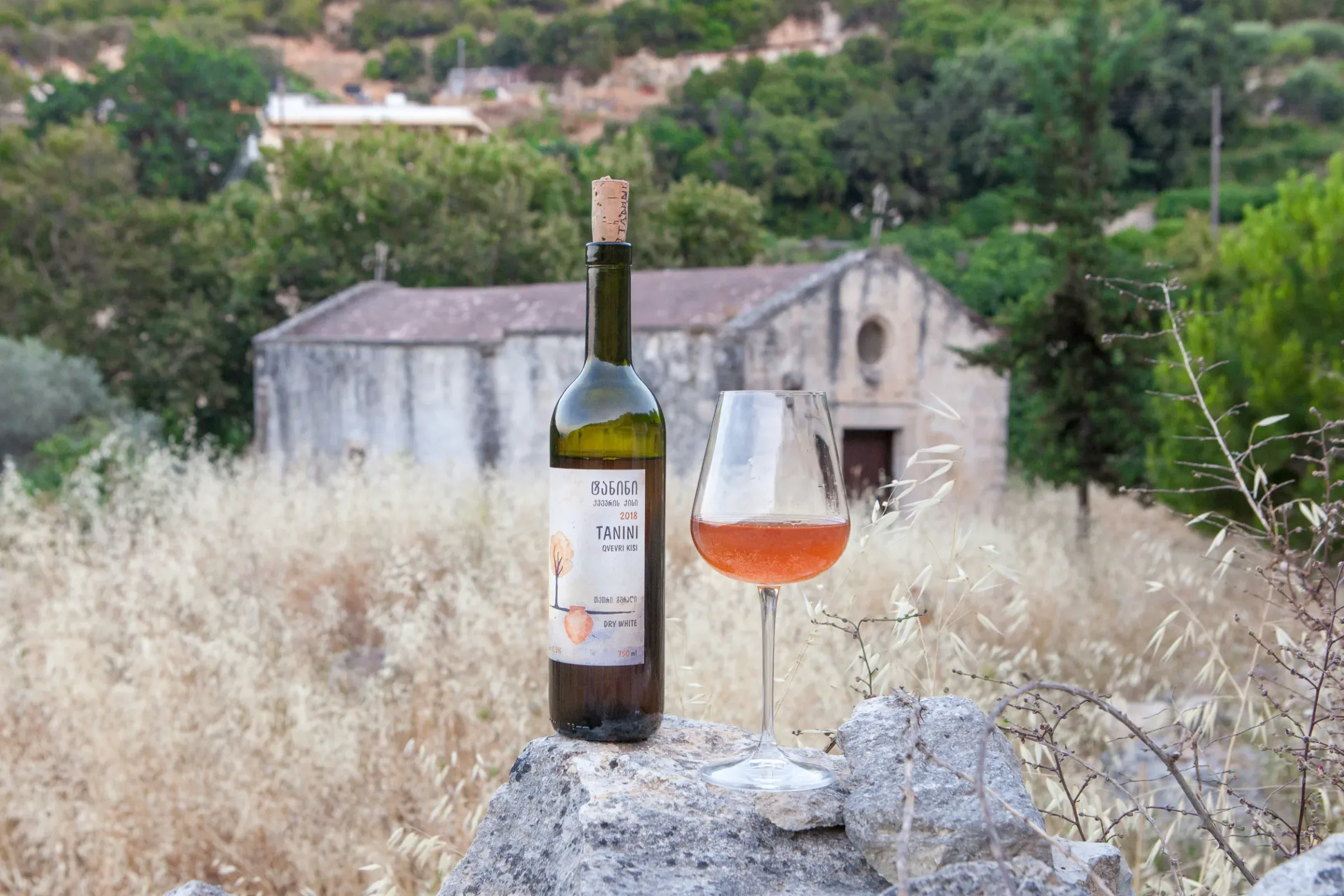
Orange (amber) wines are white wines made with extended skin contact, so they gain tannin and texture (and a deeper colour) that most white wines avoid.
How they’re made (and why it changes everything)
Most white wines are pressed off skins quickly to keep tannins low and aromas bright. Orange wines keep juice in contact with skins (and often seeds; sometimes stems). This increases:
- phenolics/tannins → grip and food-friendliness
- oxidation potential → amber colour and savoury development (depending on oxygen handling)
- structural range → from lightly “textured white” to seriously tannic, red-like structure
Key choices that shape style:
- maceration length (days vs weeks vs months)
- temperature and cap management
- pressing approach (gentle vs hard press)
- vessel (steel, wood, clay/amphora/qvevri)
- oxygen management (tight vs open)
Flavour and texture cues
Common cues: citrus peel, dried apricot, tea/chamomile, herbs, spice, sometimes nutty/oxidative notes. Texture is often the main signal: pithy grip, tea-like tannin, and a savoury finish.
Main centres to know
Georgia (qvevri)
- Traditional clay vessels (often buried), frequently long time on skins and solids.
- Style poles:
- Kakheti (East): typically deeper colour and firmer tannin
- Imereti (West): typically lighter extraction and a brighter line
Friuli/Collio & the Slovenia border (Oslavia/Brda)
- Modern European benchmark region for macerated whites.
- Ribolla Gialla / Rebula is a key grape; ponca/opoka soils help maintain tension under extraction.
- Collio is formally integrating orange wines into its DOC rules, signalling institutional acceptance.
Portugal (Alentejo talha)
- Talha = Portuguese clay amphora tradition, especially around Vidigueira/Vila de Frades.
- Often savoury, textured whites; best examples keep freshness despite warm climate.
Food pairing principles
Orange wines often work well with:
- umami (miso, soy, aged cheese)
- spice and aromatics
- roast and smoke
- fatty proteins (where tannin feels cleansing)
Be careful with: very delicate raw fish, bitter greens without fat/protein support, and desserts.
How to buy intelligently
- Start with lighter maceration if exploring.
- If buying very low sulphur bottlings, prioritise producers with a track record for clean, stable wines.
- Use region as a guide: Georgia often = more tannin; Friuli/Brda often = more mineral tension; talha often = savoury clay texture.
Check your knowledge
Enthusiast quiz