Knowledge CentreRegion Spotlight
Piedmont
There’s a quick one-question quiz at the end—pass it to lock in this article and earn progress toward Knowledge badges.
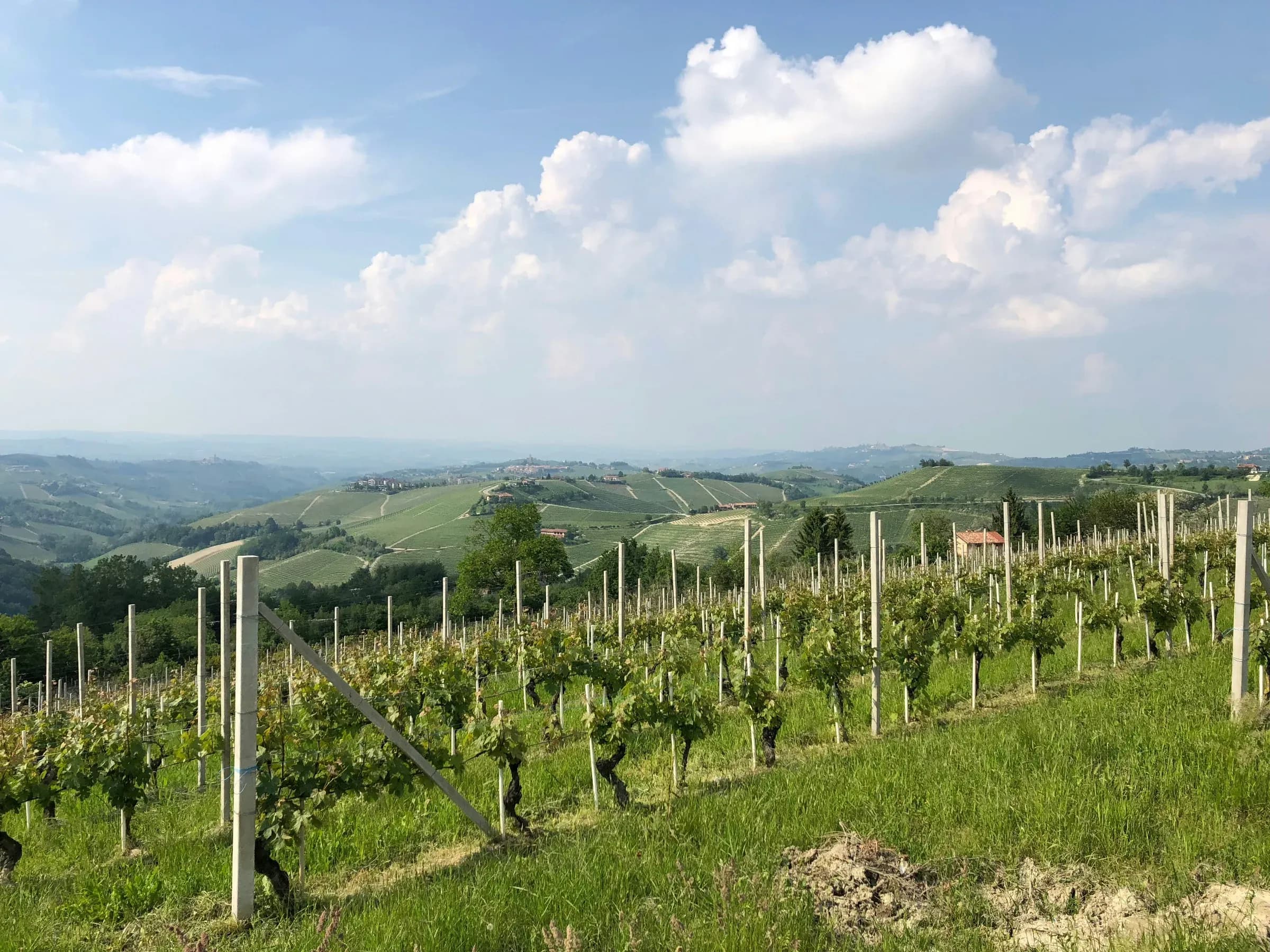
Piedmont (Piemonte)
1. Overview
Piedmont in northwest Italy is home to some of the country’s most famous wines, especially those made from Nebbiolo, such as Barolo and Barbaresco.
The region’s cool, continental climate, hilly terrain, and complex soils create wines with structure, perfume, and excellent ageing potential.
Other important grapes include Barbera, Dolcetto, and whites such as Cortese (Gavi), Arneis, Erbaluce, and Timorasso.
2. Climate & Terroir
- Continental climate: cold winters, warm summers, large day–night temperature swings.
- Fog (“nebbia”) in autumn is typical in the Langhe, helping slow and steady ripening for Nebbiolo.
- Soils: limestone and marl (La Morra, Barolo), sandstone (Serralunga, Monforte), sandy soils in Roero, volcanic/morainic soils in Alto Piemonte.
- Altitude plays a major role in tannin ripeness and acidity, especially for Nebbiolo.
3. Key Grapes
Nebbiolo (black grape)
- Late ripening, high tannin, high acidity
- Aromas of cherry, rose, tar, herbs
- Pale colour but very structured
- Wines: Barolo, Barbaresco, Langhe Nebbiolo, Alto Piemonte (Spanna)
Barbera (black grape)
- High acidity, low tannin
- Juicy dark fruit, adaptable to oak
- Major styles: Barbera d’Asti, Barbera d’Alba, Nizza DOCG
Dolcetto (black grape)
- Early ripening, naturally low acidity
- Deep colour, cherry and almond notes
- Best examples: Dogliani, Diano d’Alba
Cortese (white grape)
- High acidity, lemon and almond notes
- Known for Gavi DOCG
Arneis (white grape)
- Pear, herbs, soft texture
- Roero Arneis DOCG
Erbaluce (white grape)
- Very high acidity; crisp or passito styles
- Grown in Caluso
Timorasso (white grape)
- Full-bodied, mineral, ageworthy
- Key wine: Derthona (Colli Tortonesi)
4. Key Wine Regions
Barolo DOCG
- 100% Nebbiolo
- Two broad soil types:
- Tortonian (La Morra, Barolo): elegant, aromatic
- Helvetian (Serralunga, Monforte): powerful, tannic
- Ageing: 38 months (18 in oak), Riserva 62 months
Barbaresco DOCG
- Slightly earlier-ripening sites → finer tannins + earlier drinking
- Villages: Barbaresco, Neive, Treiso
- Ageing: 26 months (9 in oak), Riserva 50 months
Langhe Nebbiolo
- Earlier-drinking Nebbiolo; fragrant, fresh; often produced from younger vines.
Roero DOCG
- Sandy soils
- Lighter Nebbiolo; home of Roero Arneis, one of Italy’s best whites.
Alto Piemonte
- Gattinara, Ghemme, Boca, Lessona, Bramaterra, Carema
- Nebbiolo (Spanna) on volcanic, porphyry, and granite soils → elegant, mineral wines.
Barbera & Dolcetto Zones
- Barbera d’Asti (structure & depth), Nizza DOCG, Barbera d’Alba
- Dogliani & Diano d’Alba for Dolcetto
White Regions
- Gavi (Cortese), Erbaluce di Caluso, Colli Tortonesi (Timorasso/Derthona)
5. Producers (selected examples)
- Barolo: Giacomo Conterno, Bartolo Mascarello, G.D. Vajra, Vietti
- Barbaresco: Produttori del Barbaresco, Gaja, Roagna
- Alto Piemonte: Nervi-Conterno, Antoniolo, Le Piane
- Whites: La Scolca (Gavi), Ferrando (Erbaluce), Vietti (Timorasso)
6. Summary
Piedmont produces some of Italy’s most refined and long-lived wines.
Nebbiolo leads with Barolo and Barbaresco, while Alto Piemonte offers elegant, mineral versions.
Barbera, Dolcetto, and standout whites like Arneis, Gavi, Erbaluce, and Timorasso complete a diverse and distinctive region.
Check your knowledge
Enthusiast quiz