Piedmont
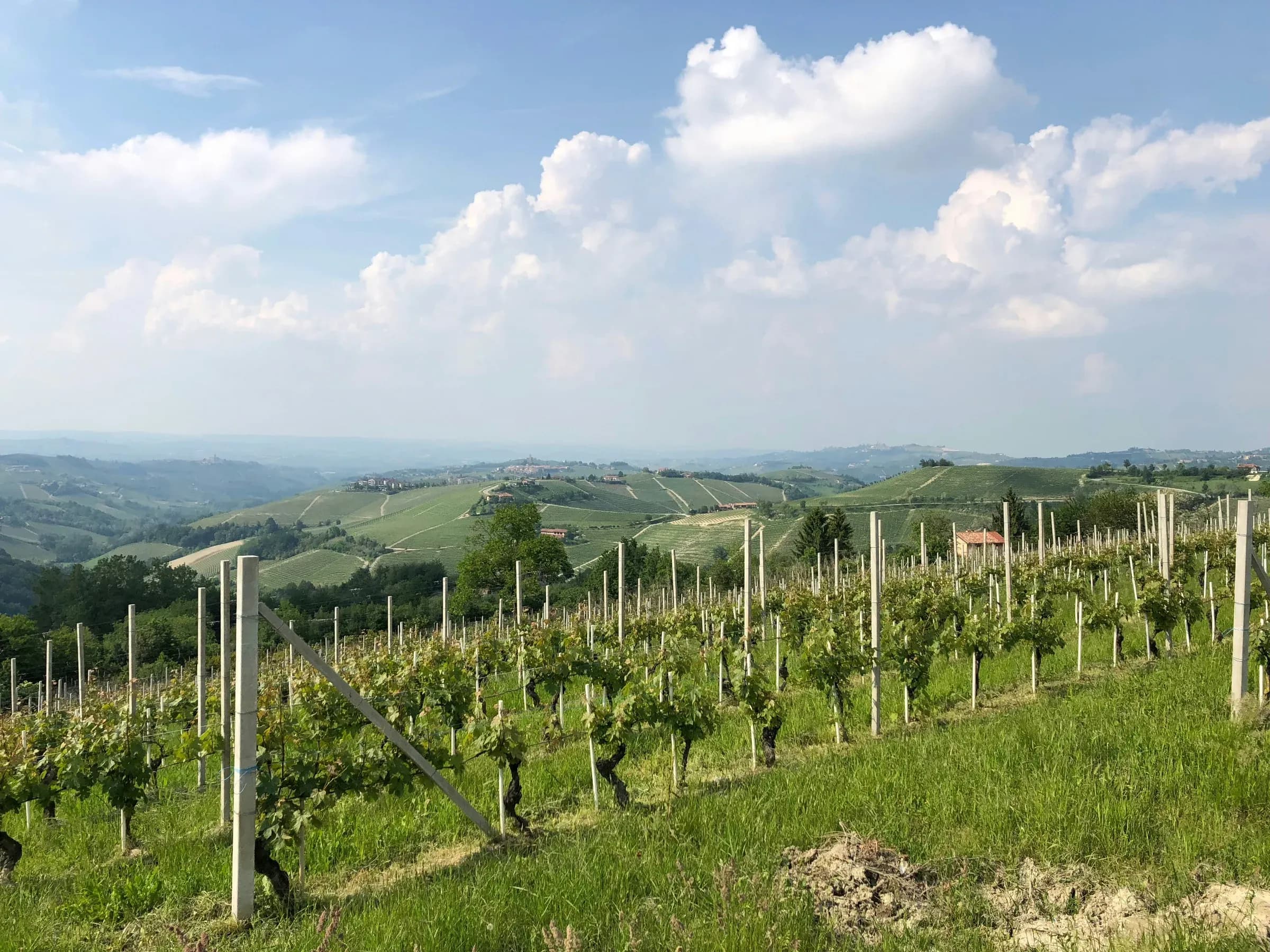
Piedmont (Piemonte)
1. Overview
Piedmont in northwest Italy is one of the country’s greatest fine-wine regions, famous for Nebbiolo-based wines of structure, perfume, and longevity.
Sheltered by the Alps and shaped by ancient seabed soils, Piedmont produces iconic reds (Barolo, Barbaresco, Alto Piemonte Nebbiolo) alongside important styles from Barbera, Dolcetto, and a diverse set of whites including Cortese (Gavi), Arneis, Erbaluce, and Timorasso.
Its identity is defined by:
- Continental climate with Alpine influence
- Late-ripening Nebbiolo requiring long, stable seasons
- A mosaic of marl, limestone, sandstone, volcanic, glacial, and morainic soils
- Deeply traditional winemaking with modern refinement
2. Climate & Terroir
Climate
- Continental: cold winters, warm–hot summers, significant diurnals
- Autumn fog (“nebbie”) around Langhe hills → slower ripening, aromatic development
- Rainfall: moderate; autumn weather crucial for Nebbiolo
- Vintage variation: pronounced, especially for late-ripening Nebbiolo
Terroir & Geology
The Piedmont hills derive from ancient seabeds uplifted by the Alps.
- Tortonian soils: marl, limestone → finer tannins, floral Nebbiolo (La Morra, Barolo township)
- Helvetian/Serravallian soils: older sandstone, less fertile → more tannic, structured Nebbiolo (Serralunga, Monforte)
- Roero: sandy soils → lighter Nebbiolo; aromatic Arneis
- Alto Piemonte: porphyry, granite, volcanic gravels → mineral, perfumed Nebbiolo (Spanna)
Altitude (250–500+ m), slope and exposure (south/southwest), and drainage are essential factors for quality.
3. Piedmont Grape Varieties (Expert Table)
| Variety | Colour | Skin Thickness | Budding / Ripening | Vigour & Yield | Preferred Soils | Hazards | Key Traits | Wine Styles |
|---|---|---|---|---|---|---|---|---|
| Nebbiolo | Black | Thin–medium; high tannin, low anthocyanin | Early bud, very late ripening | High vigour; low yield when restricted | Limestone–marl (Tortonian), sandstone (Helvetian) | Spring frost, rain at harvest, rot, poor ripening in cool years | High acidity & tannin; pale colour; rose, tar, cherry, dried herbs; extreme ageworthiness | Barolo, Barbaresco, Roero Rosso, Gattinara, Ghemme, Langhe Nebbiolo |
| Barbera | Black | Medium–thick | Early bud, mid–late ripening | High vigour; high yields if not controlled | Clay-limestone; cooler slopes | Downy mildew, rot | High acidity, low tannin; plum, cherry, spice; oak-tolerant | Barbera d’Asti, Barbera d’Alba, Nizza DOCG |
| Dolcetto | Black | Thick | Early bud, early ripening | Moderate vigour; low yield tolerance | Poorer, cooler soils | Coulure; mildew | Deep colour, low acidity, moderate tannin; black cherry/almond | Dogliani DOCG, Dolcetto d’Alba, Diano d’Alba |
| Freisa | Black | Thin | Mid-late | Moderate vigour | Sandy clay | Mildew, rot | Strawberry, rose, spice; sometimes lightly frizzante | Freisa d’Asti, Freisa di Chieri |
| Pelaverga Piccolo | Black | Thin | Mid-late | Low vigour | Sandy soils | Disease-prone | Pale, very peppery, red-fruited | Verduno Pelaverga DOC |
| Grignolino | Black | Thin skin + large seeds | Early; early | Moderate | Sandy soils | Seed tannin over-extraction; rot | Pale colour, high seed tannin, rose/herbal notes | Grignolino d’Asti, Monferrato Casalese |
| Cortese (Gavi) | White | Thin | Early bud, early-mid ripening | Moderate vigour | Marl + limestone | Downy mildew, sunburn | High acidity; lemon, almond, floral | Gavi DOCG (+ Spumante) |
| Arneis | White | Thin | Early bud, early ripening | Moderate | Sandy Roero soils | Rot; powdery mildew | Pear, peach, chamomile, herbs; moderate acidity | Roero Arneis DOCG |
| Erbaluce | White | Medium | Early bud, late ripening | High vigour | Morainic + volcanic soils | Sunburn; botrytis later season | High acidity; citrus/herbal; strong for dry, sparkling & passito | Erbaluce di Caluso (secco, spumante, passito) |
| Timorasso | White | Medium–thick | Mid bud, late | Low vigour | Clay-limestone | Disease in humid years | Full-bodied, mineral, herbal; excellent ageing | Colli Tortonesi Timorasso (Derthona) |
| Favorita (Vermentino) | White | Thin | Early | Moderate | Sandy soils | Drought | Light citrus/floral | Langhe Favorita |
| Nascetta | White | Thin | Mid | Low vigour, low yield | Limestone/clay | Ripening challenges | Herbal, saline, mineral; ages well | Langhe Nascetta |
4. Key Regions & Appellations
4.1 Barolo DOCG
100% Nebbiolo, Europe’s benchmark for tannic structure + perfume.
Two geological zones
Tortonian (La Morra, Barolo) – softer tannins, floral, approachable
Helvetian/Serravallian (Serralunga, Monforte) – firmer tannins, power, longevity
Ageing requirements
- Barolo: 38 months (18 in wood)
- Barolo Riserva: 62 months
Styles: Traditional (long maceration, botti) vs modern (short maceration, barrique) — most producers now hybridise techniques.
4.2 Barbaresco DOCG
Also 100% Nebbiolo, typically earlier-maturing:
- Finer tannins, more red fruit, rose, anise
- Ageing: 26 months (9 in wood), Riserva 50 months
- Villages: Barbaresco, Neive, Treiso
4.3 Langhe Nebbiolo
- Early-drinking, red-fruited, floral Nebbiolo
- Increasingly serious single-vineyard bottlings bridging Barbaresco/Barolo quality
4.4 Roero DOCG
- Sandy soils → more aromatic, lighter Nebbiolo
- Home of Roero Arneis DOCG, one of Italy’s elite aromatic whites
4.5 Alto Piemonte (Northern Nebbiolo Heartland)
Historic Nebbiolo renaissance zone with volcanic, granitic soils.
DOCGs: Gattinara, Ghemme, Boca, Lessona, Bramaterra, Carema
Nebbiolo = Spanna
- Perfumed, mineral, high-acid Nebbiolo
- Less tannic than Barolo, extremely ageworthy
4.6 Barbera Territories
- Barbera d’Asti DOCG – most refined, structured
- Nizza DOCG – single-village, top-tier Barbera
- Barbera d’Alba DOC – darker, fuller due to warmer exposures
4.7 Dolcetto Zones
- Dogliani DOCG – most serious, structured
- Dolcetto d’Alba – vibrant, supple
- Diano d’Alba DOCG – known for 76 MGA subzones
4.8 Gavi DOCG
Cortese-based whites with lemon, almond, saline edges; excellent for seafood and simple ageing.
4.9 Erbaluce di Caluso
High-acid, mineral whites; notable passito traditions; volcanic/morainic influence.
4.10 Timorasso (“Derthona”)
Powerful, mineral whites capable of 10–20 years’ ageing; revived by Walter Massa.
5. Winemaking Trends
- Nebbiolo: shift back toward larger neutral oak (botti) and gentler extraction
- Barbera: French oak integration common
- Dolcetto: stainless steel or neutral vessels
- Timorasso: lees ageing, large barrels, extended bottle ageing
- Alto Piemonte: whole-cluster use, minimal oak
6. Key Producers (Illustrative, not exhaustive)
Barolo
Giacomo Conterno, Bartolo Mascarello, Giuseppe Rinaldi, Vietti, Cavallotto, Elio Grasso, Pio Cesare, G.D. Vajra
Barbaresco
Gaja, Produttori del Barbaresco, Bruno Rocca, Roagna, Sottimano
Roero
Giovanni Almondo, Matteo Correggia
Alto Piemonte
Antoniolo, Nervi-Conterno, Le Piane, Ferrando (Carema), Tenute Sella
Barbera & Dolcetto specialists
Braida, La Spinetta, Chionetti, Pecchenino
Whites
La Scolca (Gavi), Vietti (Timorasso), Ferrando (Erbaluce), I Carpini (Colli Tortonesi)
7. Wines to Seek Out
- Barolo from Serralunga, Castiglione Falletto, Monforte
- Barbaresco Riserva from Produttori del Barbaresco
- Langhe Nebbiolo from top Barolo producers
- Barbera d’Asti Superiore & Nizza DOCG
- Dogliani DOCG Dolcetto
- Gavi di Gavi “Black Label” (La Scolca)
- Timorasso Derthona bottlings
- Gattinara and Ghemme from Alto Piemonte
8. Summary
Piedmont unites late-ripening Nebbiolo, complex soils, and continental–Alpine climate to produce some of Italy’s most refined and ageworthy wines.
Barolo and Barbaresco lead with structure and perfume, Alto Piemonte offers mineral elegance, while Barbera, Dolcetto, and outstanding whites (Arneis, Timorasso, Gavi, Erbaluce) complete a diverse, terroir-driven region grounded in deep tradition and modern precision.
Check your knowledge
Expert quiz