Knowledge Centre
Spotlight articles
Regions, grape varieties, techniques and more
You can read three articles as a guest. Create a free account for unlimited access, tasting notes, cellar management, and event planning tools. See everything members unlock.
Each article ends with a quick one-question quiz so you can check your understanding and keep track of what you have read.
Need printable study assets? Open downloadable learning resources or open the EP Calculator.
Want a structured route through the material?
Use the learning path for guided lessons, recall practice, and progress tracking alongside these reference articles.
Preview the learning path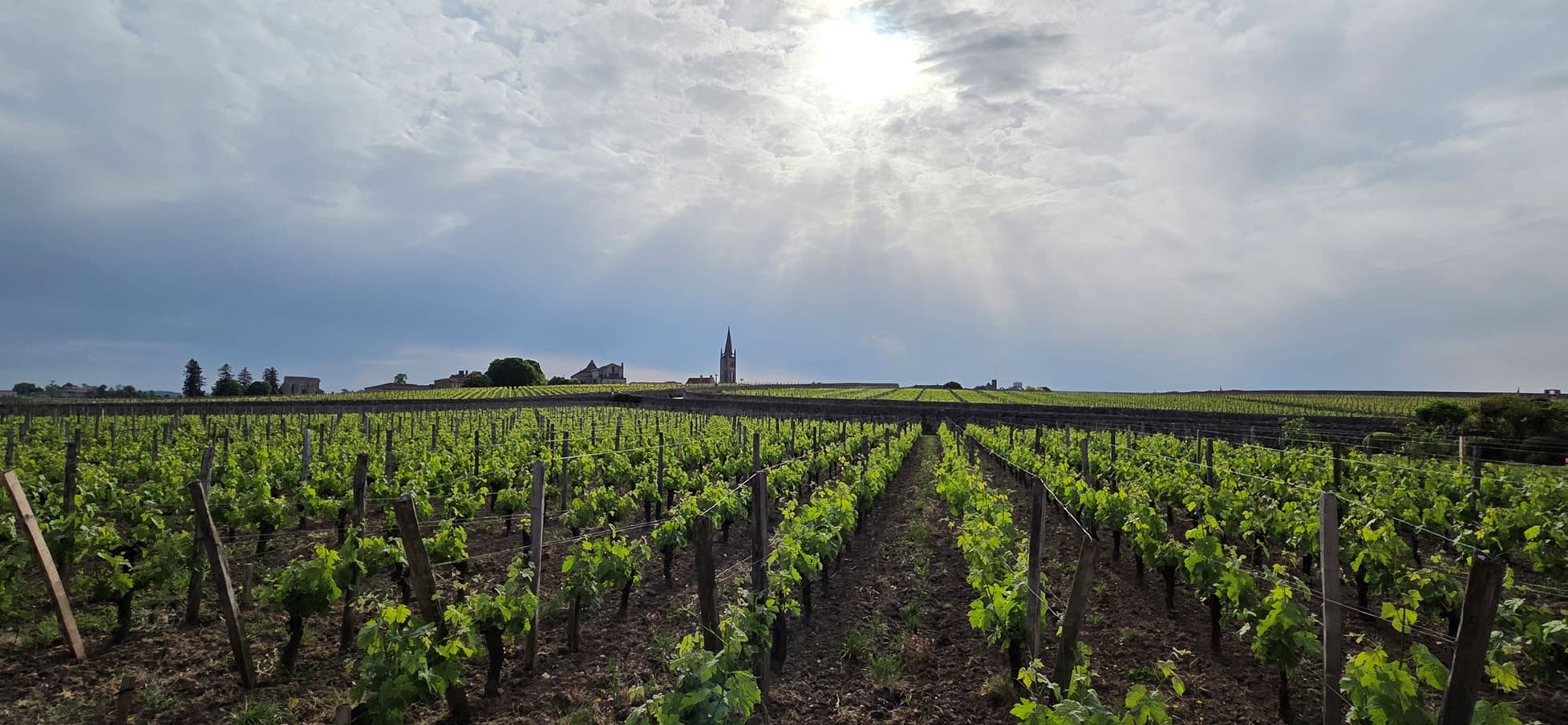
Bordeaux En Primeur 2025: A Vintage of Precision, Scarcity and Opportunity
Winecube’s Bordeaux En Primeur 2025 report presents the vintage as modern, one of freshness, precision and moderate alcohol-but in low volumes. The key message is that 2025 may offer new and exiting collectors opportunity, but only if release pricing reflects current market conditions rather than relying purely on low yields.
Deep Dive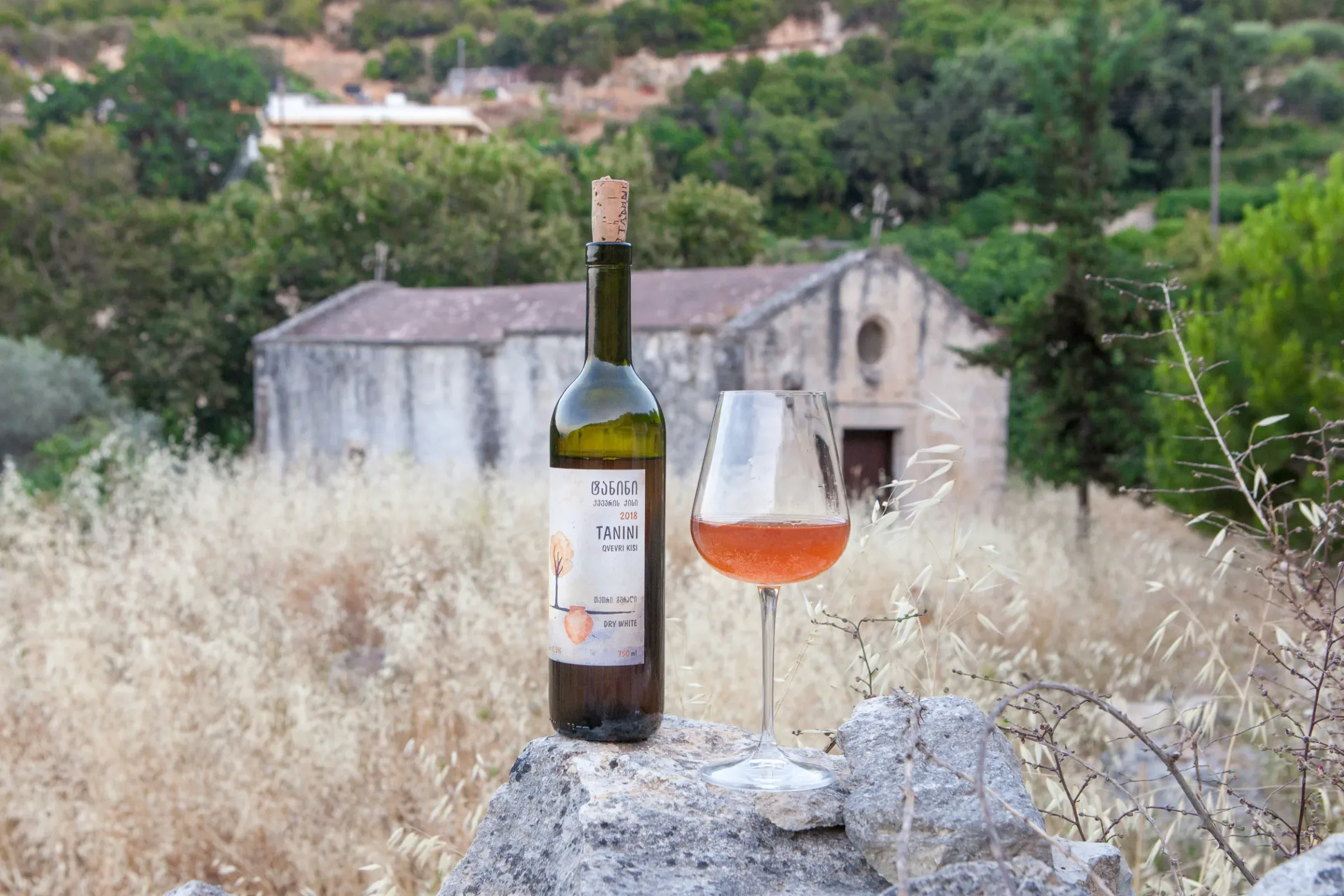
Orange Wines
Orange wines are best understood through the interplay of skin-contact extraction and oxygen handling, which creates their signature tannin, savoury depth, and amber evolution. The clearest comparisons come from Georgia’s qvevri traditions, the Friuli/Collio–Brda borderlands, and Portugal’s Alentejo talha, each shaped by local grapes, vessels, and terroir. Recent research adds perspective on polyphenols and gut microbial metabolism, with olive oil polyphenol thresholds offering a useful scale reference.
Deep Dive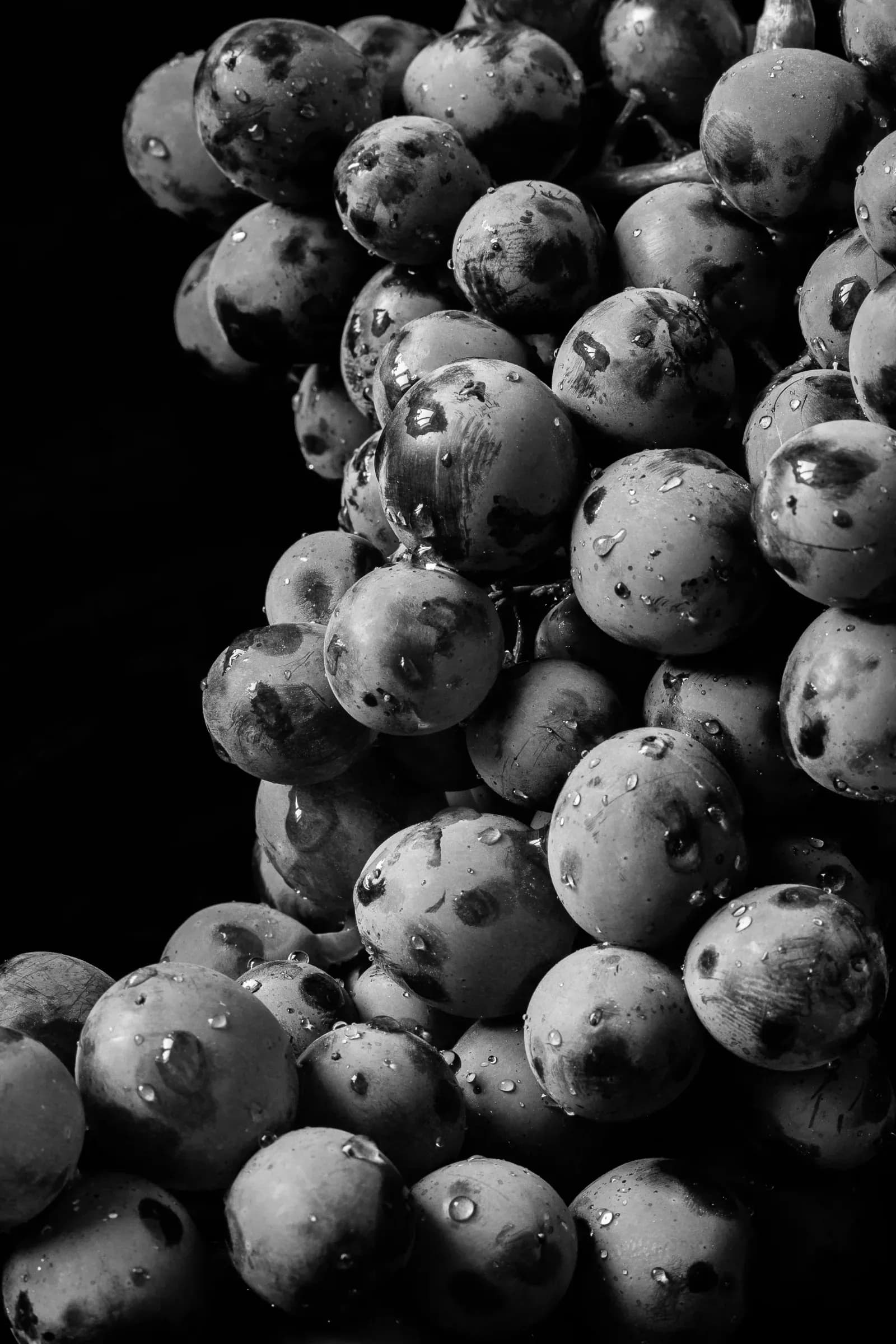
Carbonic Maceration
Carbonic maceration is both a classic technique and a modern tool. In full form, it produces bright, juicy, low-tannin wines; in partial form (semi-carbonic, whole-cluster), it is used to finesse structure, moderate tannin, and lift aromatics. Its adaptation to white, rosé, and orange wines shows how flexible CM has become within contemporary winemaking. Understanding the biochemical, structural, and stylistic implications of carbonic maceration allows winemakers to recognise when and why this technique should be used.
Deep Dive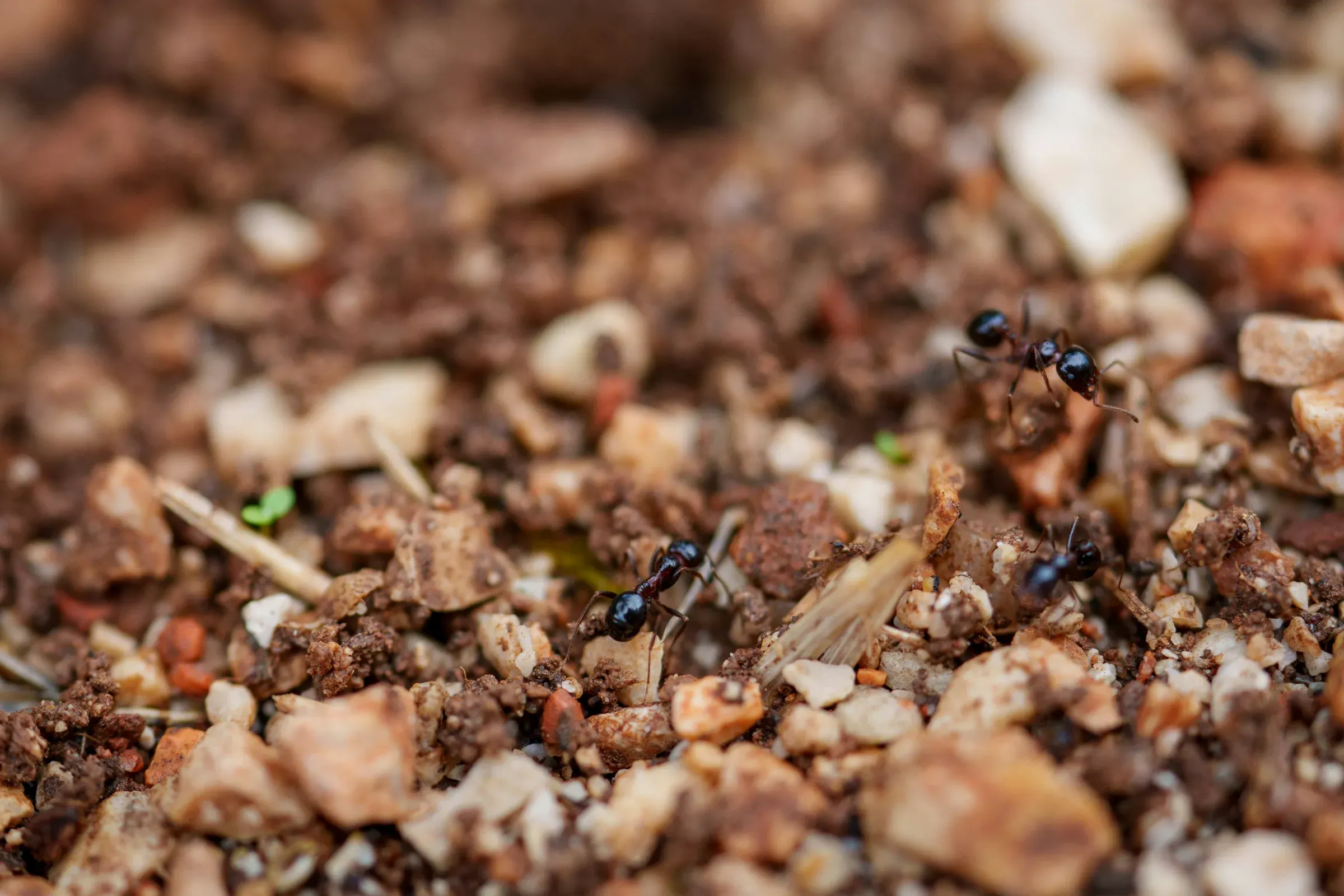
Dirty Secrets: What Lies Beneath the Vine
Soil shapes how vines grow by controlling water, nutrients, and stress, which influence ripeness and balance. From limestone to volcanic ash, each soil type creates conditions that guide a wine’s structure and style. The best soils let vines work just hard enough to produce fruit with depth, freshness, and harmony.
Deep Dive