Knowledge Centre
Spotlight articles
Regions, grape varieties, techniques and more
You can read three articles as a guest. Create a free account for unlimited access, tasting notes, cellar management, and event planning tools. See everything members unlock.
Each article ends with a quick one-question quiz so you can check your understanding and keep track of what you have read.
Need printable study assets? Open downloadable learning resources or open the EP Calculator.
Want a structured route through the material?
Use the learning path for guided lessons, recall practice, and progress tracking alongside these reference articles.
Preview the learning path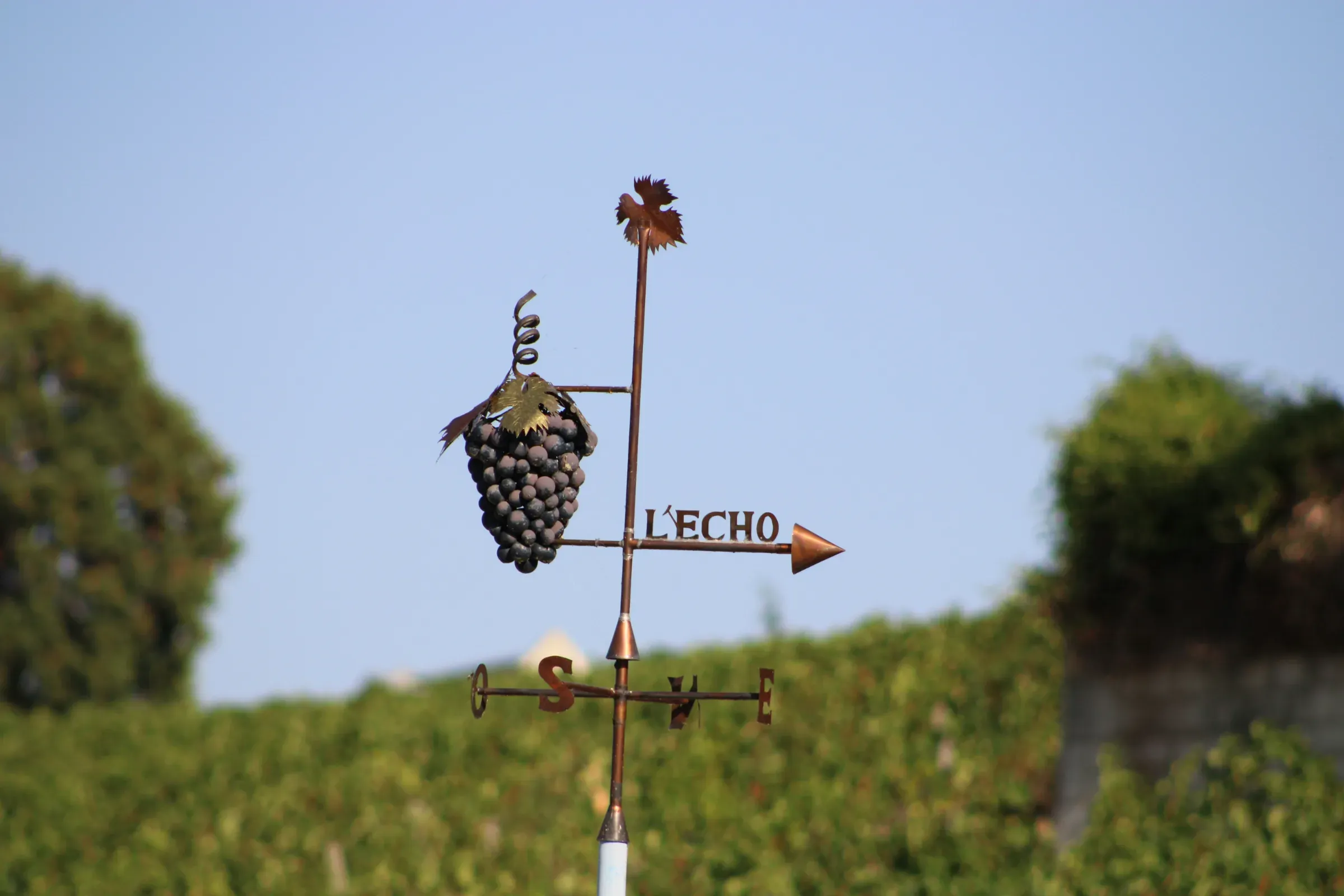
Cabernet Franc
Cabernet Franc is a versatile, terroir-expressive black grape that thrives when it reaches full flavour ripeness without heat stress or canopy shade. It is dominant in several Loire appellations (Chinon, Bourgueil, Saint-Nicolas-de-Bourgueil, Saumur-Champigny) and is essential in Right Bank Bordeaux blends, with important roles in coastal Tuscany (Bolgheri) and cool-climate North America.
Grape Variety in FocusPinot Blanc
Pinot Blanc is a quietly expressive, terroir-driven white variety prized for texture, mineral purity, and versatility in sparkling and still winemaking. Its restrained aromatics allow soil, climate, and winemaking choices to take centre stage. At its best—particularly in Alto Adige and top German/Austrian sites—it produces precise, ageworthy wines of great gastronomic appeal.
Grape Variety in Focus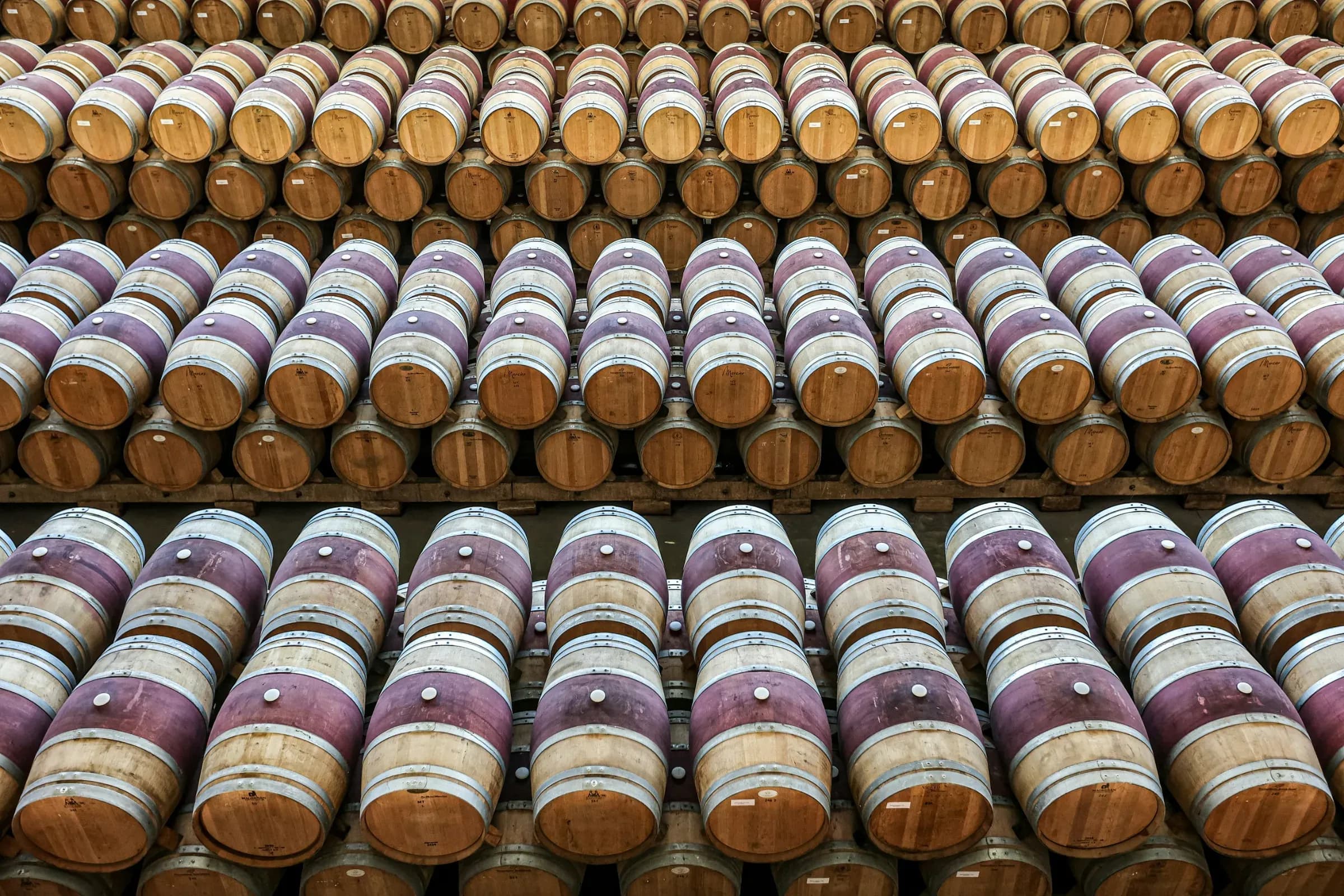
Tempranillo
Tempranillo is the black grape cornerstone of Spanish red wine, combining early ripening, moderate acidity, and strong affinity for oak. Its expressions range from juicy jóvenes to some of Europe’s longest-lived wines, particularly in Rioja and Ribera del Duero. With the right balance of site, climate, canopy management, and ageing, Tempranillo delivers generous fruit, refined tannin, and exceptional ageing potential.
Grape Variety in Focus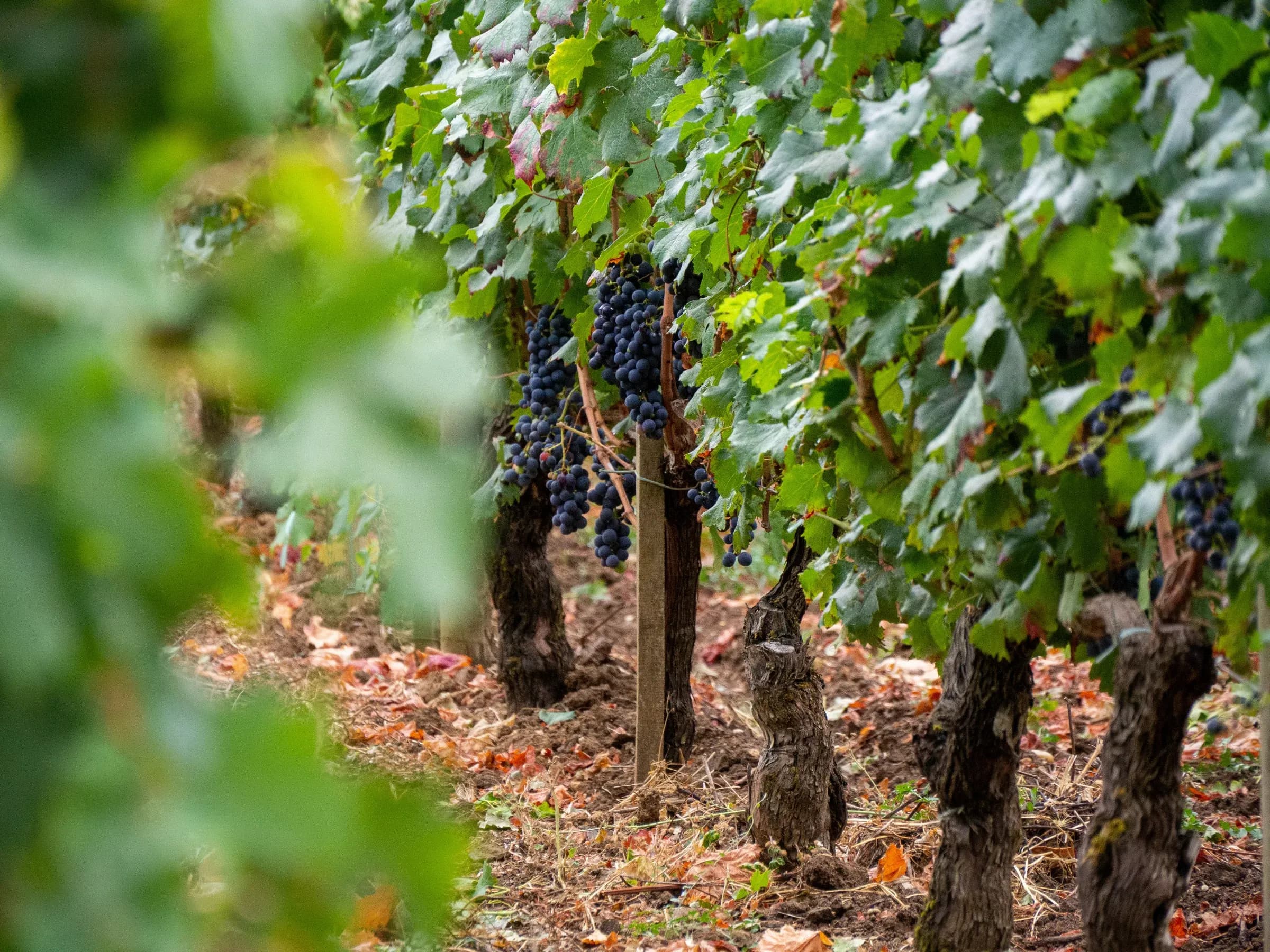
Merlot
Merlot is a globally important black grape capable of producing supple, plummy wines or deeply structured, ageworthy reds depending on site and climate. Its affinity for clay and clay-limestone soils makes it the cornerstone of Right Bank Bordeaux while also excelling in regions like Washington, Bolgheri, and coastal California. Equally successful as a single-varietal wine or as the core of Cabernet-based blends, Merlot delivers concentration, mid-palate depth, and refined tannin architecture.
Grape Variety in Focus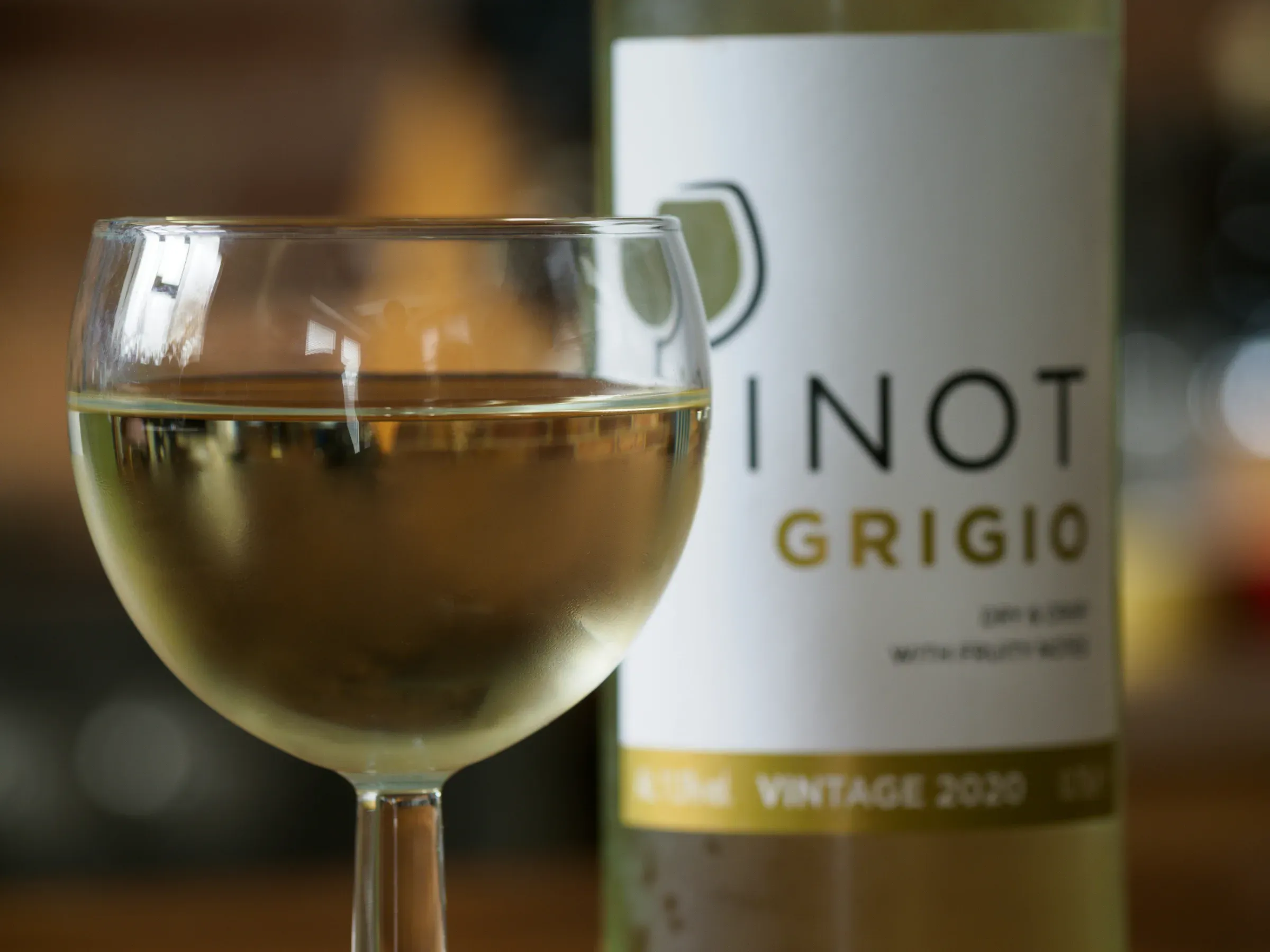
Pinot Gris/Grigio
Pinot Gris is a white grape variety that makes wines ranging from light and crisp (Pinot Grigio) to rich and spicy (Pinot Gris). It originated as a pale-skinned mutation of Pinot Noir and shows different characters depending on where it’s grown. Always fresh and versatile, it produces easy-drinking wines that pair beautifully with many foods.
Grape Variety in FocusChenin Blanc
Chenin Blanc is a highly versatile white grape that can produce dry, sweet, or sparkling wines while always keeping its lively acidity. It originated in France’s Loire Valley and now thrives in South Africa, where old vines create rich, textured styles. Whether crisp and mineral or ripe and honeyed, Chenin Blanc shows balance, freshness, and a strong sense of place.
Grape Variety in Focus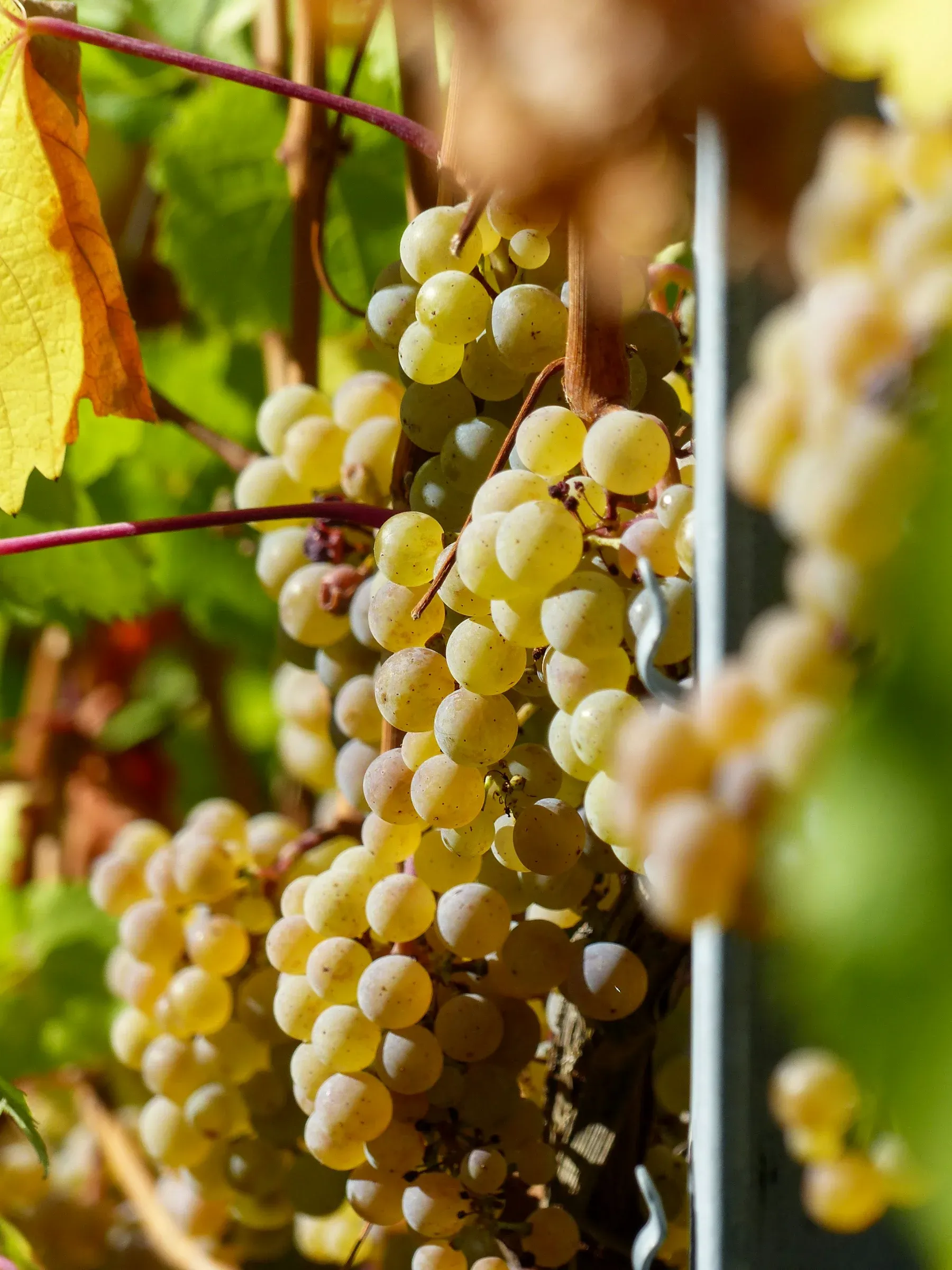
Riesling
Riesling is a high-acid, aromatic white grape that makes wines ranging from dry and crisp to lusciously sweet. It shows clear differences of place — from Germany’s slatey freshness to Austria’s richer stone-fruit styles and Australia’s lime-driven purity. Always vibrant and long-lived, Riesling is prized for its balance of fruit, acidity, and clarity of expression.
Grape Variety in FocusGrenache
Grenache, known as Garnacha in Spain, is a black grape that thrives in warm, dry, Mediterranean climates and produces generous, fruit-driven red wines. It’s the heart of southern Rhône blends like Châteauneuf-du-Pape, as well as a key grape in Spain’s Priorat and Australia’s Barossa Valley, showing flavours of red berries, spice, and herbs. Naturally soft and full-bodied, Grenache is valued for its warmth, charm, and resilience in the face of a changing climate.
Grape Variety in FocusSyrah
Syrah, known as Shiraz in warmer regions, is a versatile red grape that produces wines ranging from peppery and elegant to rich and powerful. It thrives in warm, sunny climates with cool nights and is the source of many iconic styles — from the floral, savoury wines of France’s Northern Rhône to the plush, chocolatey Shiraz of Australia. Recognised for its deep colour, spice, and firm tannins, Syrah remains one of the world’s great grapes for expressing both terroir and winemaking style.
Grape Variety in Focus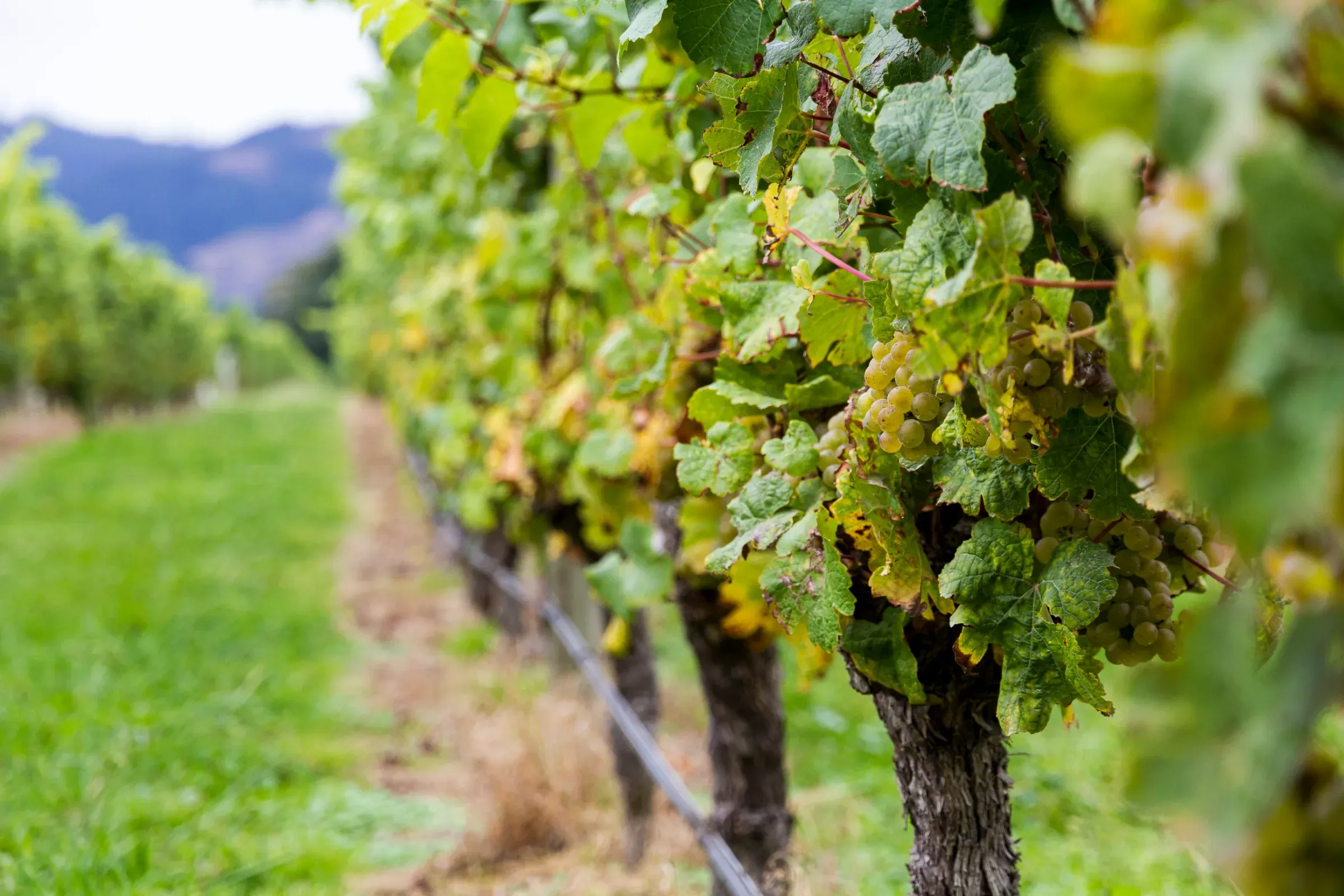
Sauvignon Blanc
Sauvignon Blanc is a high-acid white grape known for its vivid aromatics, ranging from citrus and green herbs in cool climates to tropical fruit in warmer regions. Its naturally high acidity and low phenolics make it best suited to stainless-steel fermentation, though some regions use oak or lees ageing to add texture and complexity. Classic expressions include the zesty, mineral wines of the Loire Valley, the intensely aromatic styles of Marlborough, and riper, fuller examples from Bordeaux and California.
Grape Variety in Focus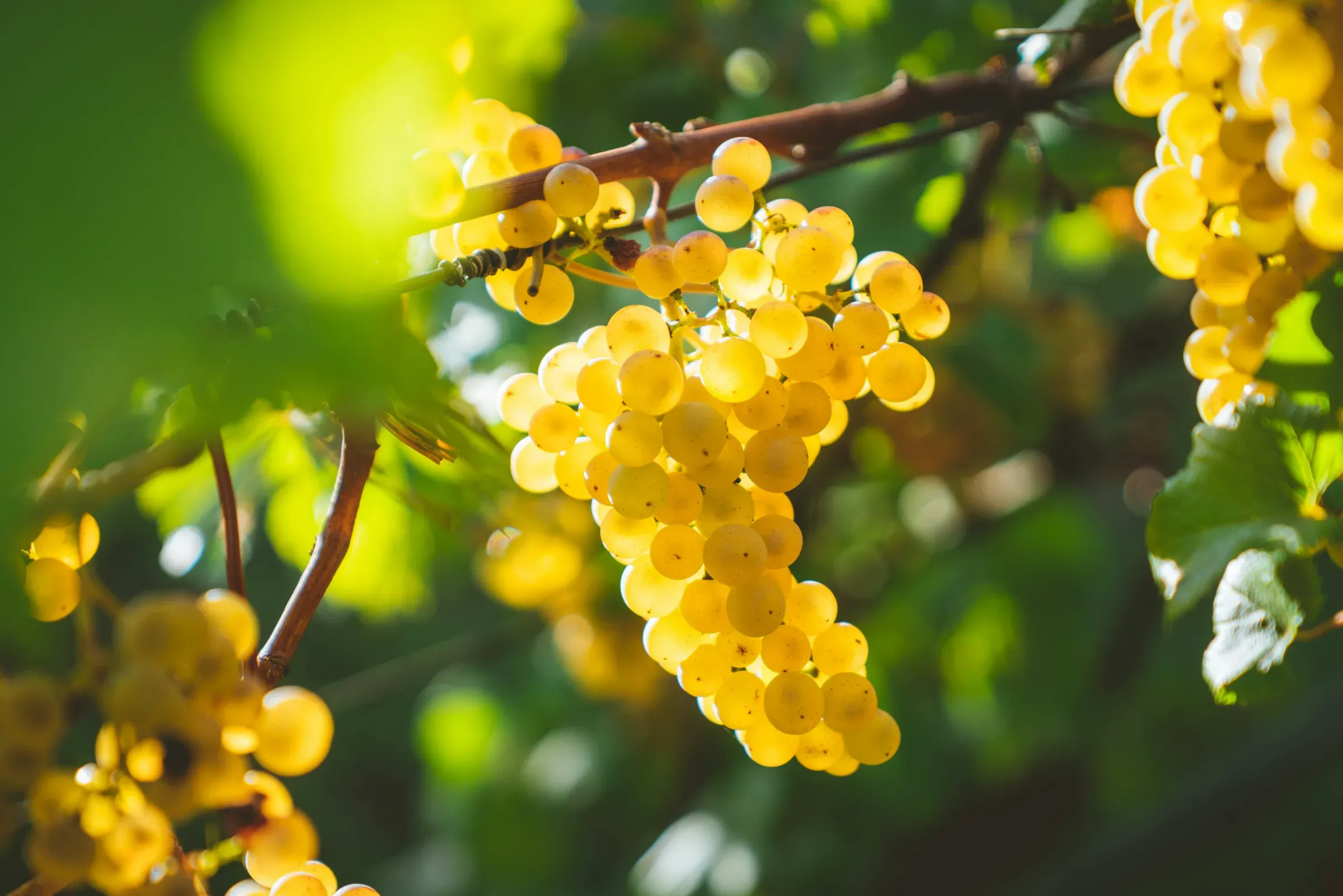
Chardonnay
Chardonnay is one of the world’s most adaptable grapes, producing wines from crisp and mineral to rich and oaked depending on climate and technique. Its neutral character reflects terroir and winemaking style, once leading to the “Anything But Chardonnay” backlash against heavy, buttery wines. Modern producers now favour freshness and balance, restoring Chardonnay’s reputation as the most versatile white grape.
Grape Variety in Focus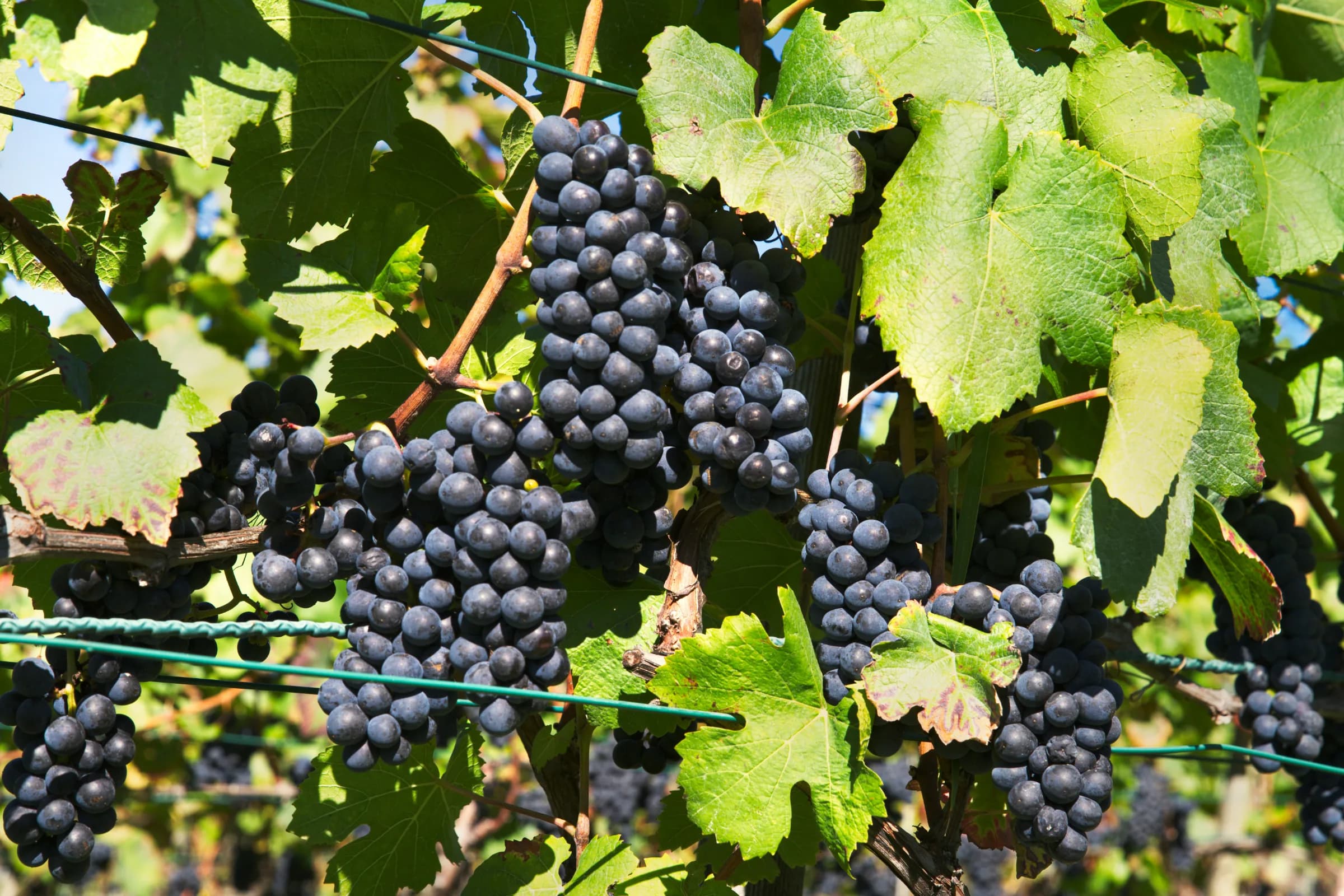
Pinot Noir
Pinot Noir is a thin-skinned, early-ripening grape that thrives in cool climates and is prized for producing wines with fine tannins, high acidity, and delicate aromas of red fruit, flowers, and spice. It is highly sensitive to site and climate, expressing terroir more clearly than almost any other red grape — from the elegance of Burgundy and Alsace to the vibrant styles of Oregon, New Zealand, and beyond. Its enduring appeal lies in this transparency, fragrance, and finesse, making it both a challenge for growers and a benchmark of beauty for wine lovers worldwide.
Grape Variety in Focus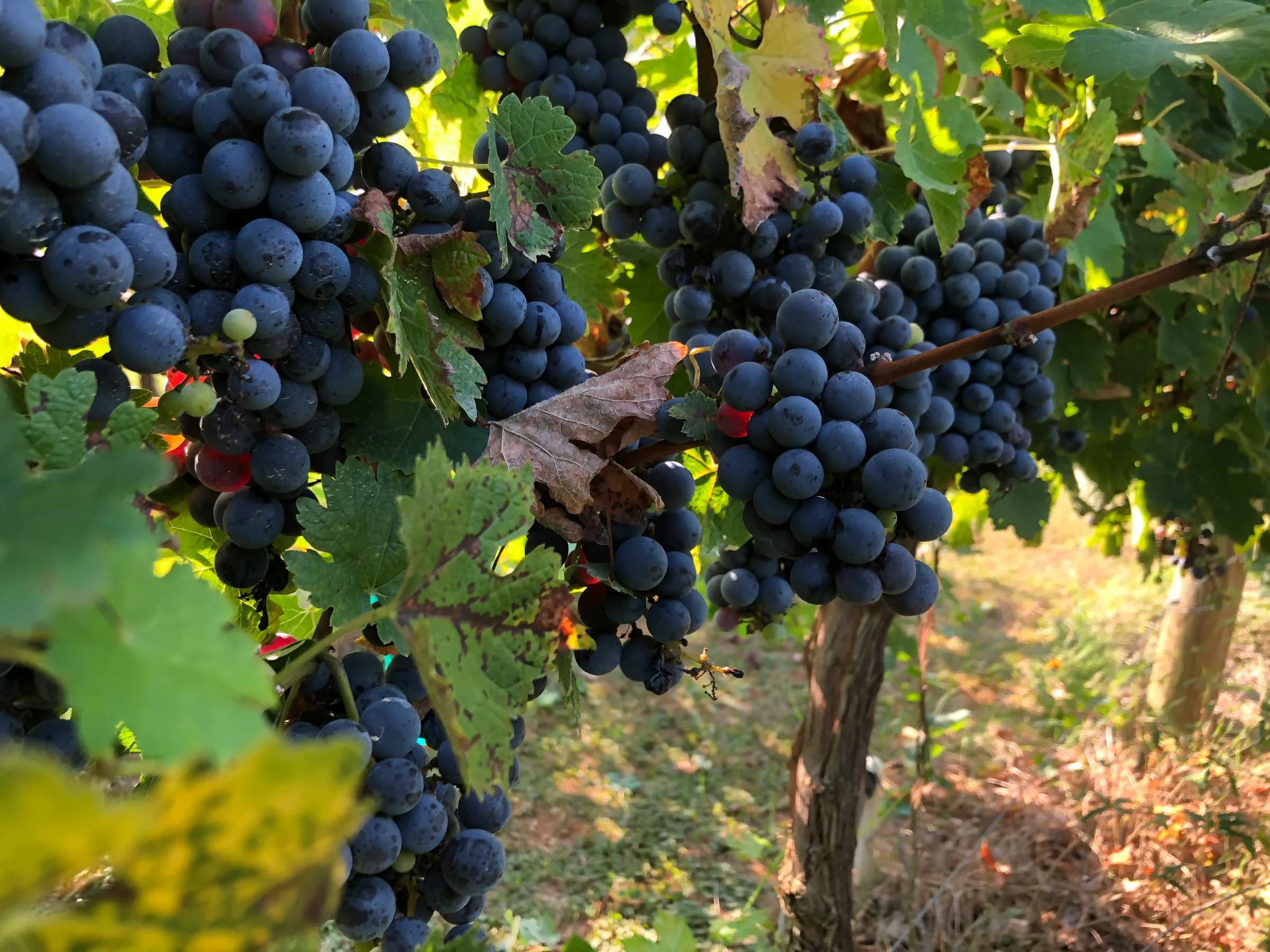
Cabernet Sauvignon
Cabernet Sauvignon is the world’s most important red wine grape, producing deeply coloured, full-bodied wines with firm tannins and great ageing potential. It thrives in moderate to warm climates and expresses local terroir while maintaining its signature blackcurrant and cedar character. From Bordeaux to California, Chile, and beyond, it defines what many consider the benchmark for fine red wine.
Grape Variety in Focus