Ribera del Duero
1. Location and Overview
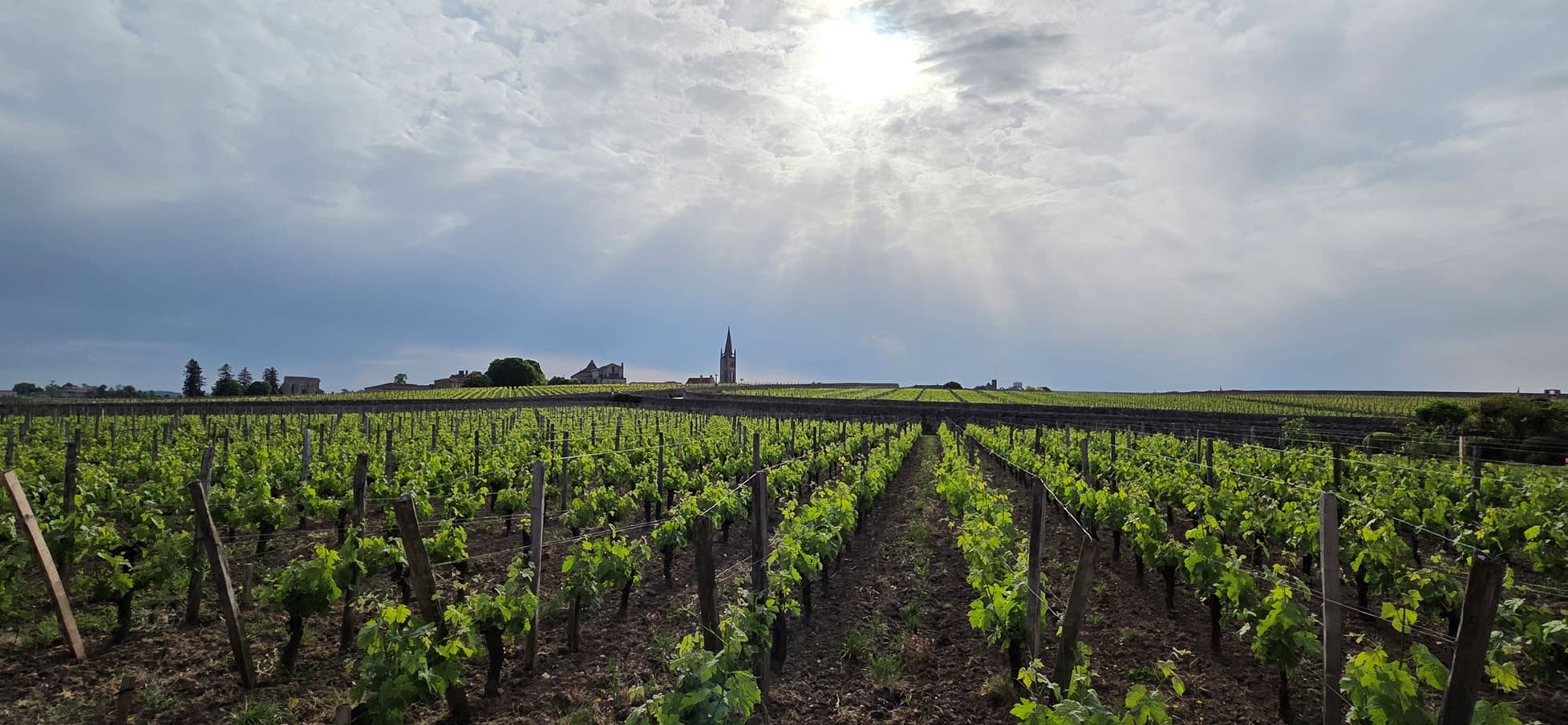
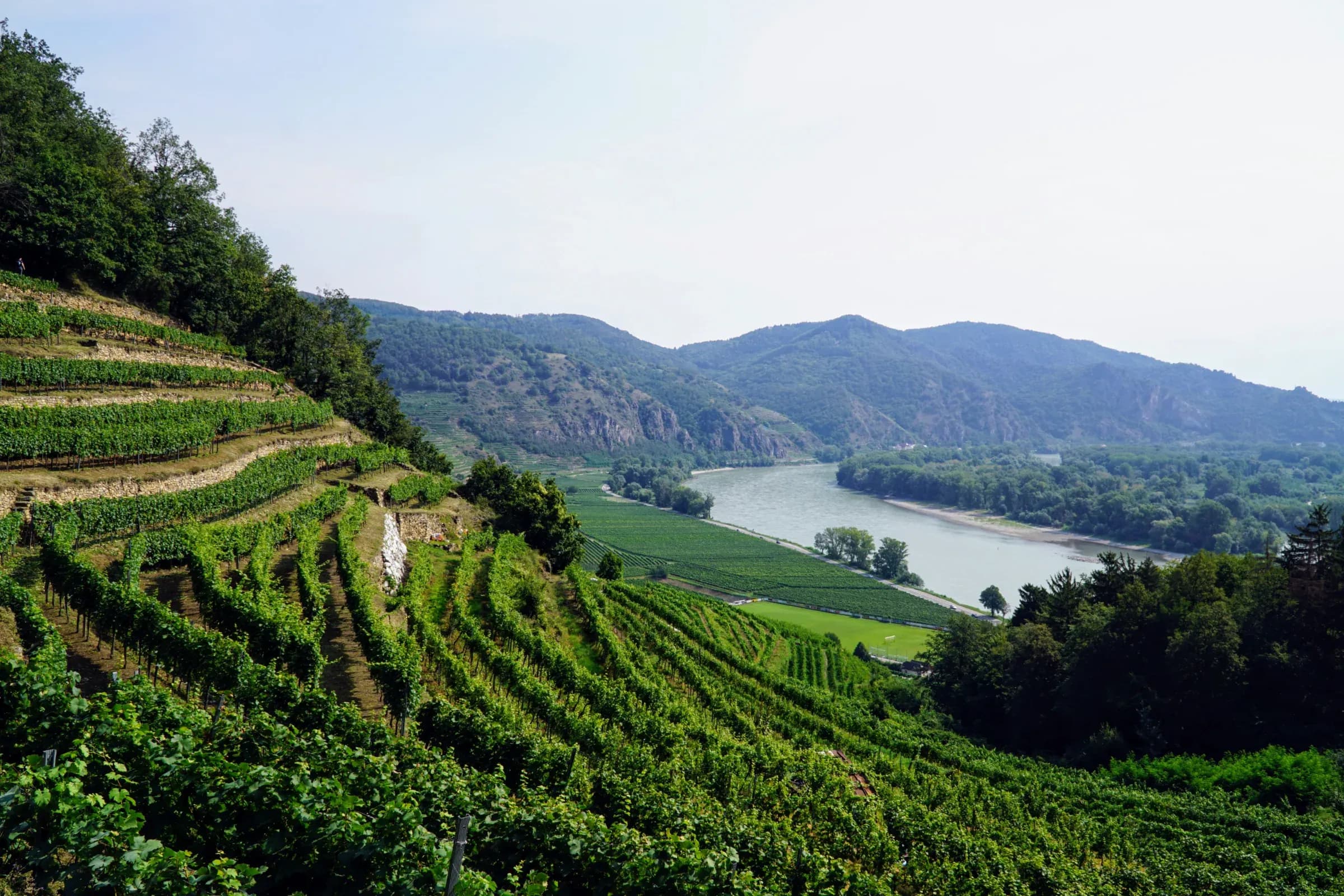
Ribera del Duero lies along a 115-kilometre stretch of the upper Duero River in Castilla y León, spanning the provinces of Burgos, Valladolid, Soria, and Segovia.
Vineyards sit between 750 and 1,000 metres above sea level on a high plateau marked by a sharply continental climate.
Hot, dry summers contrast with freezing winters and spring frosts; rainfall averages 400–600 mm, mostly in winter and spring.
The altitude provides strong sunlight and dramatic day–night temperature swings that preserve acidity and aromatic precision while ensuring complete phenolic ripeness.
Soils are highly variable—clay, limestone, marl, sand, and gravel—producing reds of depth, freshness, and longevity.
The Denominación de Origen was granted in 1982, recognising centuries of viticulture.
Today the DO counts over 23,000 ha of vines, some 8,000 growers, and roughly 300 bodegas.
2. Climate and Soils
Ribera del Duero’s continental climate sits on the cool margin for fine red wine.
Summer highs can exceed 35 °C, but night temperatures often fall below 15 °C, slowing respiration and locking in acidity.
The growing season is short (about 180–190 days), and the risk of frost persists until early May.
Soils vary across subzones: clay-limestone in Burgos, sandy loam and limestone in Soria, gravel and alluvium in Valladolid, and pockets of marl and clay in Segovia.
Calcareous topsoils impart tension and minerality, while sandy and gravelly terraces favour riper, more opulent fruit.
3. Grape Varieties
Tempranillo—known locally as Tinto Fino or Tinta del País—accounts for 90–95 % of total plantings and defines the region’s style.
The local biotype has smaller berries and thicker skins than Rioja’s, yielding deeper colour and stronger tannins.
Its short growing cycle suits Ribera’s high-altitude conditions, achieving full ripeness before autumn frost while maintaining freshness.
Small amounts of Cabernet Sauvignon, Merlot, Malbec, and Garnacha Tinta are authorised, mostly used by estates influenced by Bordeaux models to fine-tune texture and longevity.
Albillo Mayor, historically blended in minute proportions to soften reds, was re-authorised in 2019 for varietal whites and has quickly emerged as a serious grape for textured, savoury whites.
Table 1 – Grape Varieties
| Variety | Colour | Budding / Ripening | Vigour & Yield | Disease Sensitivity | Preferred Soils | Vine Characteristics Summary | Wine Style & Traits |
|---|---|---|---|---|---|---|---|
| Tempranillo (Tinto Fino / Tinta del País) | Black | Early bud; early–mid ripening | Moderate vigour; 35–45 hl/ha typical | Frost and mildew prone; drought tolerant | Clay-limestone and chalky marl at altitude | Small, thick-skinned berries; compact clusters; excels at 750–1,000 m | Deep colour; firm sinewy tannins; black fruit, tobacco, graphite; backbone of Ribera |
| Cabernet Sauvignon | Black | Late bud; late ripening | Moderate vigour; low yield in cool years | Frost and ripening risk sensitive | Warm gravel and sandy-clay terraces | Thick skins; upright growth; needs long season | Cassis, cedar, graphite; adds frame and longevity |
| Merlot | Black | Early bud; mid ripening | High vigour; productive | Coulure and mildew sensitive | Cooler, moisture-retentive clays | Broad leaf; vigorous; needs canopy control | Plum and mocha; round mid-palate; softens Tempranillo |
| Malbec | Black | Mid bud; mid–late ripening | Moderate vigour; small berries | Coulure sensitive | Calcareous slopes and airy sites | Small clusters; vigorous if unpruned | Deep colour, violet lift; adds perfume and density in blends |
| Garnacha Tinta | Black | Early bud; late ripening | High vigour; productive | Coulure in cool bloom | Sandy or ferrous-clay soils | Heat-adapted; prefers warm slopes | Ripe red fruit and spice; adds warmth; used sparingly |
| Albillo Mayor | White | Early bud; early ripening | Moderate vigour; ≈45 hl/ha | Oxidation risk post-harvest | Calcareous and sandy marl | Loose bunches; thick skins; moderate acidity | Pear, melon, fennel, almond; waxy texture; structured whites since 2019 |
Tempranillo provides Ribera’s defining architecture: colour density, muscular tannins, and the ability to integrate long oak ageing.
The Bordeaux grapes refine structure and mid-palate; Garnacha adds warmth in cooler vintages; and Albillo Mayor’s revival has created a white counterpart built on texture rather than aroma.
4. Viticulture and Production Structure
Vineyard Surface and Scale
- Total vineyard area: ≈ 23,300 ha (2024)
- Over 8,000 growers and ≈ 300 registered bodegas
- Average planting density: 2,500–3,000 vines/ha (old bush vines); 4,000–5,000 vines/ha (modern trellis)
Yields and Vine Age
- Maximum authorised yield: 7,000 kg/ha (≈ 49 hl/ha) for reds; 8,000 kg/ha for whites
- Typical yields: 25–40 hl/ha depending on vine age and zone
– Old bush vines > 40 yrs: 20–30 hl/ha → Reserva / Gran Reserva
– Mid-age 15–40 yrs: 35–40 hl/ha → Crianza and Reserva
– Young < 15 yrs: 45–50 hl/ha → Joven and Roble - Frost and drought can reduce output by 20–40 % in difficult years
Harvest and Sorting
Harvest runs late September to mid-October. Hand-picking and double sorting are standard for top producers; mechanical harvest occurs only on flat sites.
Production by Category (2023 average)
| Category | Share of Total Output | Description |
|---|---|---|
| Crianza | ≈ 45 % | Core production; 12 months oak + 12 bottle |
| Roble / Barrica | ≈ 20 % | Oak-aged < 12 months; earlier drinking |
| Joven | ≈ 15 % | Unoaked or lightly aged; fruit-forward |
| Reserva | ≈ 15 % | Longer maturation; greater structure |
| Gran Reserva | 2–3 % | Longest aged; limited release |
| White (Albillo Mayor) | < 1 % (rising) | Textural whites from revived plantings |
Regional Yield Variation
- Soria (900–1,000 m): 20–30 hl/ha; fine-boned, high-acid.
- Burgos: 30–40 hl/ha; structured and mineral.
- Valladolid: 40–45 hl/ha; riper, broader.
- Segovia: < 30 hl/ha; light, perfumed.
Export and Scale
Total output ≈ 2.2 million hl (~55 million bottles).
Exports ≈ 40 %; main markets UK, US, Germany, Switzerland.
A dozen major houses account for half of bottled volume.
5. Winemaking and Maturation
Fermentation occurs mainly in stainless steel or concrete, at 26–30 °C for 20–30 days.
Malolactic fermentation often takes place in barrel.
The maximum barrel size for Crianza and above is 330 L; Roble / Barrica may use up to 600 L.
French oak now dominates, though American remains common for traditional styles.
Table 2 – Ageing and Style Classifications
| Style | Minimum Ageing (DO Regulation) | Typical Profile | Structure & Texture | Aromatic Development | Drinking Window |
|---|---|---|---|---|---|
| Joven | None required | Bright ruby; primary fruit | Medium body; supple tannin | Cherry, violet, spice | 2–4 yrs |
| Roble / Barrica | ≥ 3 months oak (≤ 600 L) | Dark fruit, subtle toast | Medium body; soft edges | Black/red fruit, gentle oak | 3–5 yrs |
| Crianza | ≥ 12 months oak (≤ 330 L) within ≥ 24 months total | Deep ruby; balanced oak and fruit | Medium-full; polished texture | Red/black fruit, vanilla, toast | 5–8 yrs |
| Reserva | ≥ 12 months oak within ≥ 36 months total | Dark garnet; developing tertiary notes | Full; firm, refined tannins | Plum, tobacco, balsamic, cedar | 10–15 yrs |
| Gran Reserva | ≥ 24 months oak within ≥ 60 months total | Garnet–brick; complex, evolved | Dense yet silky; long finish | Dried fruit, leather, cigar box | 15–30 yrs |
| White / Rosé Reserva / GR | Reserva ≥ 24 months (≥ 6 in oak); GR ≥ 48 months (≥ 6 in oak) | Pale gold to deep amber for aged styles | Medium body; textural | Stone fruit, fennel, nutty complexity | 5–15 yrs |
Compared with Rioja, Ribera del Duero produces reds of deeper colour, denser tannins, and slightly higher alcohol (14–15 %), balanced by altitude-driven freshness.
Top wines often age well beyond the legal minimum before release, developing distinct notes of graphite, tobacco, and cedar over decades.
6. Regional Character and Subzones
- Soria (East): Highest vineyards (900–1,000 m); limestone and sand; elegant, perfumed, high-acid wines.
- Burgos (Central): Clay-limestone core; dense, structured wines with grip and longevity.
- Valladolid (West): Lower, warmer; riper fruit, rounder tannins.
- Segovia (South): Small plantings; light, fragrant wines.
7. Key Producers
Historic icons: Vega Sicilia (Unico, Valbuena 5º), Dominio de Pingus, Pesquera, Aalto, Emilio Moro.
Modern benchmarks: Pago de los Capellanes, Hacienda Monasterio, Finca Villacreces, Arzuaga Navarro.
Emerging talent: Dominio del Águila, Garmón Continental, Viña Sastre, Vizcarra — organic farming, whole-cluster fermentation, restrained extraction for finesse.
8. Production Overview (2024 data)
| Indicator | Data / Range | Notes |
|---|---|---|
| Total Vineyard Area | ≈ 23,300 ha | Burgos > Valladolid > Soria > Segovia |
| Number of Growers | > 8,000 | Mostly small holders |
| Registered Wineries | ≈ 300 | Mix of large and micro estates |
| Max Yield (red grapes) | 7,000 kg/ha (≈ 49 hl/ha) | Consejo limit |
| Average Yield | 25–40 hl/ha | Climate and vine age restricted |
| Annual Production | ≈ 2.2 million hl (≈ 55 million bottles) | Five-year average |
| Export Share | ≈ 40 % | UK, US, Germany, Switzerland |
| Vines > 50 yrs | ≈ 25 % of area | Source of Reserva / Gran Reserva fruit |
9. Summary
Ribera del Duero stands as Spain’s benchmark for Tempranillo at altitude — combining power, depth, and precision.
Thick-skinned Tinto Fino grapes yield sinewy tannins and dense colour, while cool nights preserve balance and line.
Blending varieties play supporting roles for structure and longevity; Albillo Mayor has reintroduced a white counterpart based on texture and minerality.
With strict yield controls and long ageing standards, Ribera del Duero produces reds that age gracefully for decades and rank among Europe’s most enduring expressions of Tempranillo.
Check your knowledge
Expert quiz