Ribera del Duero
Ribera del Duero: Spain’s Bold Red Wine Region
1. Where It Is
Ribera del Duero is in northern Spain, in the region of Castilla y León.
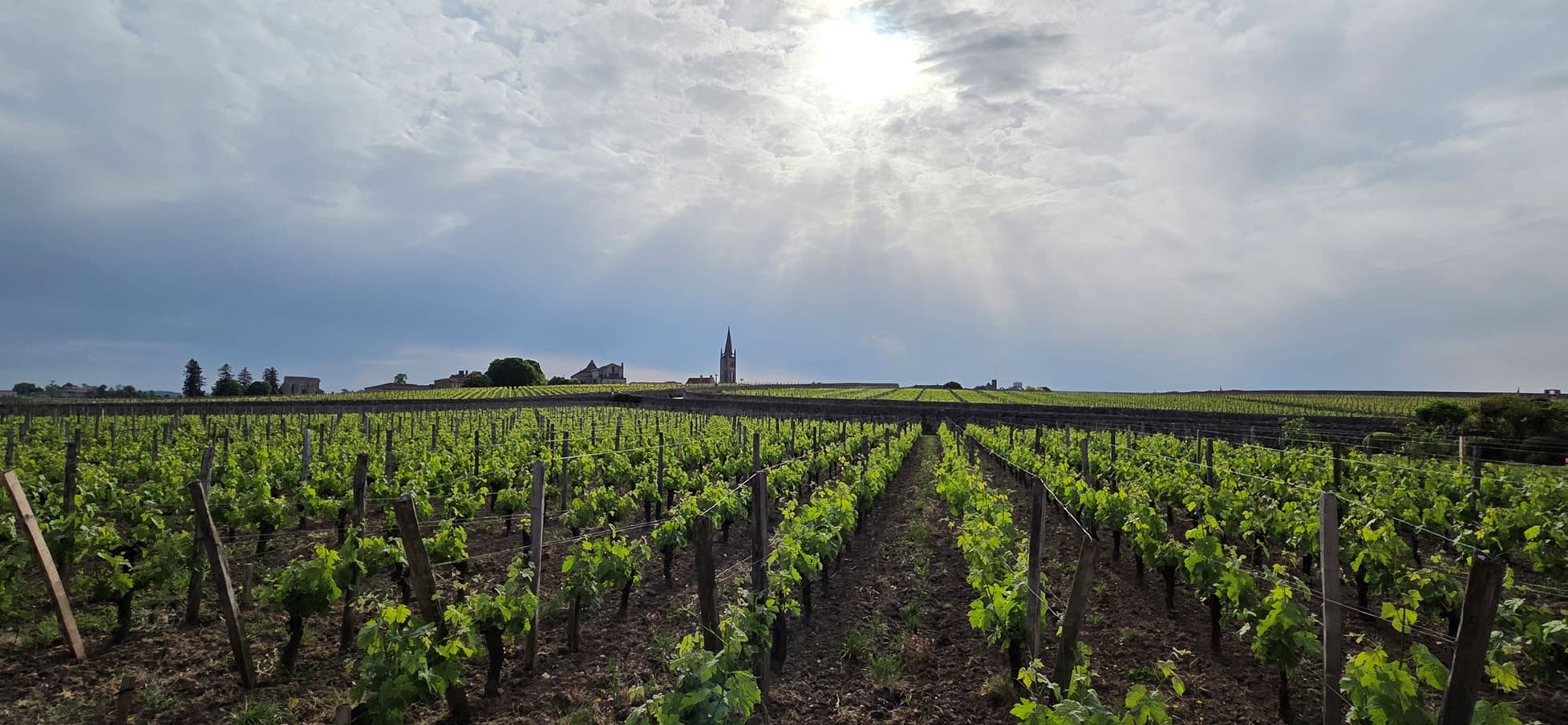
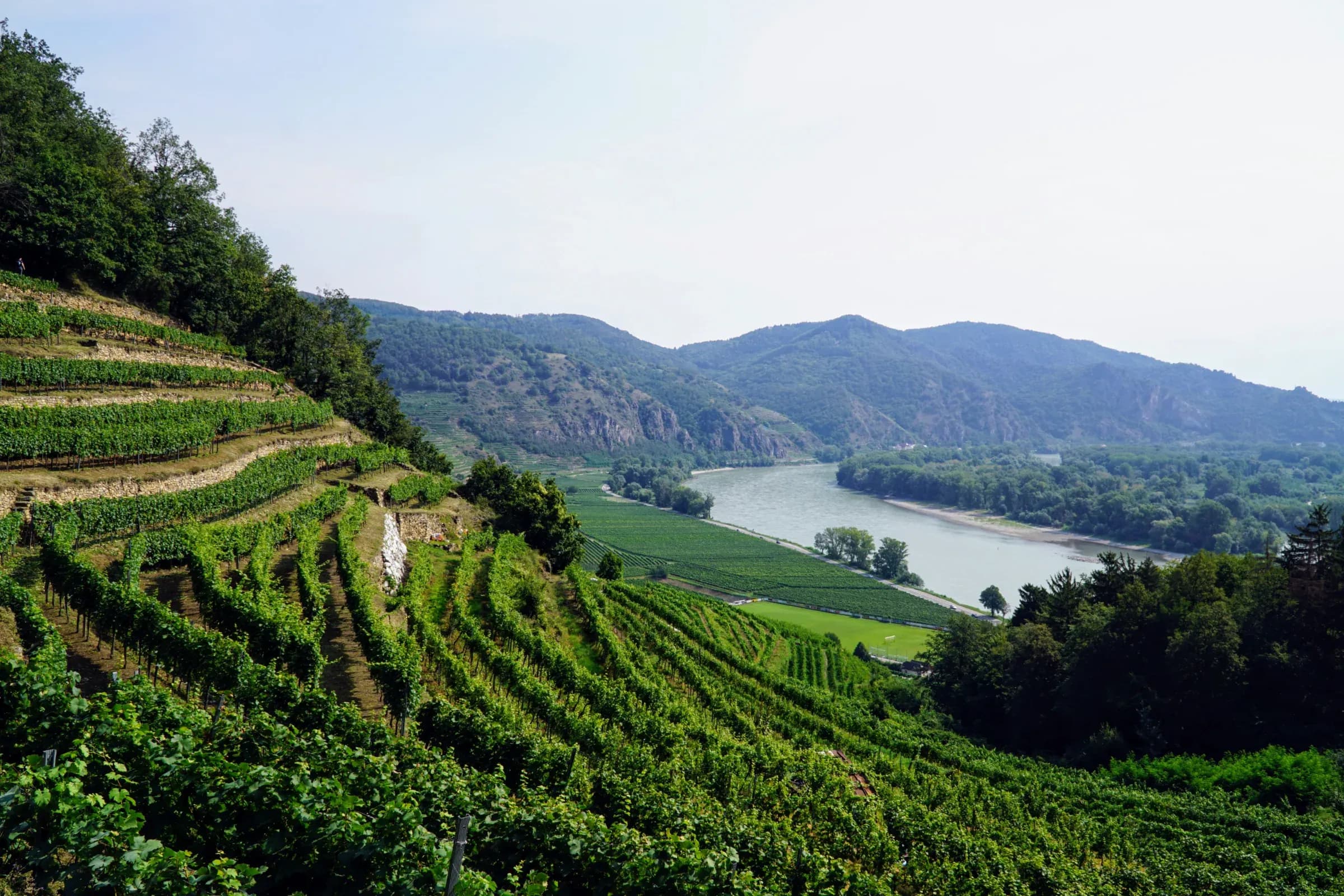
Vineyards stretch along the Duero River at high altitude (750–1,000 m), where the days are hot and the nights are cool.
This big difference in temperature helps the grapes keep their freshness while ripening fully.
The area became a Denominación de Origen (DO) in 1982 and now has around 23,000 hectares of vines and 300 wineries.
2. Climate and Soils
The weather is dry and extreme — very hot summers, cold winters, and little rain.
Because of this, grapes develop thick skins, which means more colour, flavour, and tannin.
The soils vary from clay and limestone to sand and gravel, giving different wine styles depending on where the vines grow.
3. Grapes
The main grape is Tempranillo, known locally as Tinto Fino or Tinta del País.
It makes deep-coloured red wines with firm tannins and rich flavours of black fruit, spice, and tobacco.
Small amounts of Cabernet Sauvignon, Merlot, Malbec, and Garnacha are used to make the wines smoother or add aroma.
The white grape Albillo Mayor is also grown and used to make small quantities of rich, textured white wine.
Main Grapes and Their Styles
| Grape | Colour | Main Traits | Wine Style |
|---|---|---|---|
| Tempranillo (Tinto Fino) | Black | Thick skins, early ripening | Deep colour, firm tannins, dark fruit, ages well |
| Cabernet Sauvignon | Black | Late ripening, strong tannins | Adds structure and cassis flavour |
| Merlot | Black | Juicy, soft fruit | Adds roundness and plum notes |
| Malbec | Black | Floral and dark fruit | Gives colour and perfume |
| Garnacha Tinta | Black | Warm-climate grape | Red fruit and spice, adds warmth |
| Albillo Mayor | White | Early ripening | Pear and almond flavours, smooth texture |
4. How the Wines Are Made
Most wines are fermented in stainless steel tanks to keep clean fruit flavours, then aged in oak barrels to gain spice and smoothness.
French oak is common for elegant styles, while American oak gives sweeter vanilla tones.
Ageing Levels
| Style | Time in Oak | Taste and Character |
|---|---|---|
| Joven | Little or no oak | Fresh, fruity, easy to drink |
| Roble / Barrica | About 3 months | Juicy fruit with light oak spice |
| Crianza | 12 months in oak, 24 total | Balanced fruit and oak, smooth tannins |
| Reserva | 12 months in oak, 36 total | Rich, fuller body, spice and tobacco notes |
| Gran Reserva | 24 months in oak, 60 total | Complex, mature, long finish |
5. The Vineyards
Ribera del Duero’s vineyards are some of the highest in Spain.
Old vines often produce very small crops — only 20–30 hectolitres per hectare, meaning fewer grapes but more flavour.
Most picking is done by hand.
About 45 % of all wine made is Crianza, followed by Roble/Barrica and Reserva.
6. Styles and Places
- Soria: Highest, coolest area – lighter, fresh wines.
- Burgos: Clay-limestone soils – structured, mineral wines.
- Valladolid: Warmer and lower – riper, rounder wines.
- Segovia: Smallest area – delicate, perfumed wines.
7. Producers to Know
Famous names: Vega Sicilia, Dominio de Pingus, Pesquera, Aalto, Emilio Moro.
Modern and rising producers: Pago de los Capellanes, Hacienda Monasterio, Dominio del Águila, Vizcarra.
8. In Short
Ribera del Duero makes some of Spain’s most powerful red wines, led by Tempranillo grown at high altitude.
The wines are deep, rich, and structured, yet still fresh and balanced.
Long ageing in oak barrels gives complexity and smoothness, and the best bottles can age beautifully for decades.
Check your knowledge
Explorer quiz