Ribera del Duero
Ribera del Duero: Tempranillo and the Power of the High Plateau
1. Overview
Ribera del Duero lies in northern Spain’s Castilla y León region, following the upper Duero River for about 115 km through Burgos, Valladolid, Soria, and Segovia.
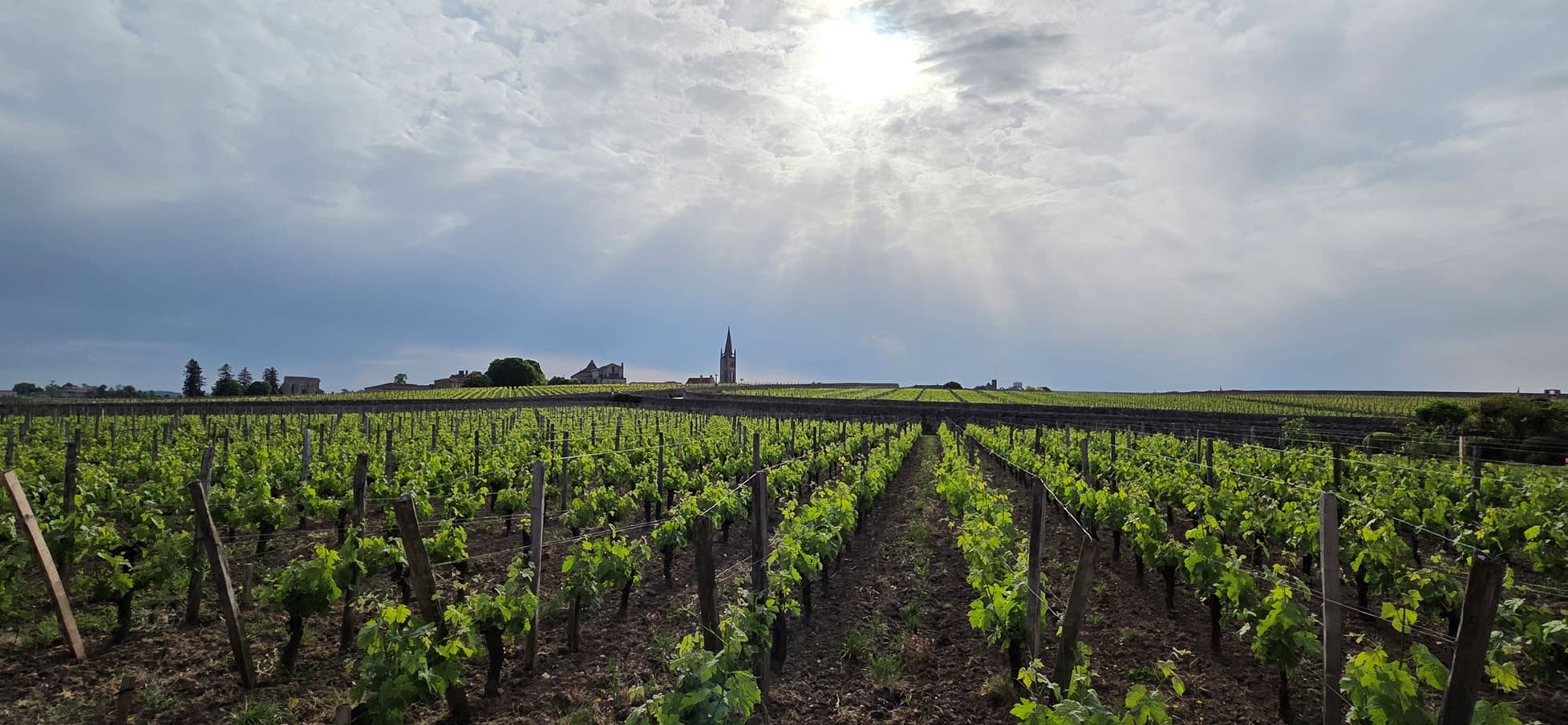
Vineyards sit high on a plateau between 750 and 1,000 metres, where hot summer days and cool nights produce wines of intensity and freshness.
The climate is continental – hot, dry summers, cold winters, and frequent spring frosts – with low rainfall (400–600 mm).
This dramatic setting gives grapes thick skins, deep colour, and firm tannins.
The DO was created in 1982, and today includes over 23,000 ha of vines and about 300 bodegas.
2. Landscape and Climate
Altitude and sunlight are the key.
At these heights, grapes ripen fully yet retain acidity, producing wines that balance power and poise.
Soils are varied: clay-limestone dominates in Burgos, sand and limestone in Soria, gravel in Valladolid, and marl and clay in Segovia.
Each combination gives a distinct style — structured and mineral in Burgos, fragrant in Soria, and plush in Valladolid.
3. Grapes
Tempranillo (called Tinto Fino or Tinta del País) covers around 90–95 % of vineyards.
It is the region’s defining grape, producing wines of dark colour, fine but muscular tannins, and the capacity to age gracefully.
Smaller plantings of Cabernet Sauvignon, Merlot, Malbec, and Garnacha Tinta are used mainly to add balance or complexity.
Since 2019, the white grape Albillo Mayor has been permitted for varietal wines, giving savoury, textured whites.
Key Grape Traits
| Variety | Colour | Main Traits | Wine Style |
|---|---|---|---|
| Tempranillo (Tinto Fino) | Black | Early ripening, thick skins, low yield | Deep colour, firm tannins, dark fruit, long ageing |
| Cabernet Sauvignon | Black | Late ripening, tannic, structured | Cassis, cedar; adds backbone to blends |
| Merlot | Black | Early ripening, generous | Plum and cocoa notes; softens structure |
| Malbec | Black | Mid-late ripening | Violet perfume, dark fruit, colour depth |
| Garnacha Tinta | Black | Vigorous, warm-site grape | Red fruit and spice; adds warmth |
| Albillo Mayor | White | Early ripening, thick skins | Pear and almond flavours; waxy, textural whites |
4. Viticulture and Yields
Old bush vines are common, many over 50 years old, yielding just 20–30 hl/ha of concentrated fruit.
Younger vines average 35–45 hl/ha, and the legal limit is 49 hl/ha for reds.
Dry farming is typical, with minimal irrigation allowed only in extreme drought.
Harvest occurs from late September to mid-October, mostly by hand.
Production is dominated by Crianza wines (≈45 %), followed by Roble/Barrica (≈20 %), Joven (≈15 %), Reserva (≈15 %), and Gran Reserva (≈3 %).
White wines from Albillo Mayor remain under 1 % but are growing.
5. Winemaking and Ageing
Fermentation takes place in stainless steel or concrete, at controlled temperatures to preserve fruit while extracting colour and tannin.
Malolactic fermentation is often done in oak barrels.
French oak now dominates, with American oak used for traditional styles.
Ageing Categories
| Style | Minimum Ageing | Typical Character | Drinking Window |
|---|---|---|---|
| Joven | None required | Bright, fruity, unoaked | 2–4 yrs |
| Roble / Barrica | ≥ 3 months in oak | Juicy fruit, gentle spice | 3–5 yrs |
| Crianza | ≥ 12 months oak, 24 months total | Balanced fruit and oak | 5–8 yrs |
| Reserva | ≥ 12 months oak, 36 months total | Rich, structured, developing savoury notes | 10–15 yrs |
| Gran Reserva | ≥ 24 months oak, 60 months total | Complex, mature, long-lived | 15–30 yrs |
6. Sub-Regions and Styles
- Soria (East): Highest altitude; light, aromatic wines with freshness.
- Burgos (Central): Clay-limestone core; structured, mineral, long-lived wines.
- Valladolid (West): Warmer; rounder, riper fruit.
- Segovia (South): Small area; delicate, perfumed wines.
7. Producers to Know
Icons: Vega Sicilia, Dominio de Pingus, Pesquera, Aalto, Emilio Moro.
Modern classics: Pago de los Capellanes, Hacienda Monasterio, Finca Villacreces.
New generation: Dominio del Águila, Garmón Continental, Viña Sastre, Vizcarra.
8. Production Overview
| Indicator | Figure | Notes |
|---|---|---|
| Vineyard area | ≈ 23,300 ha | Burgos dominates |
| Registered bodegas | ≈ 300 | About 8,000 growers |
| Max yield (reds) | 7,000 kg/ha (≈ 49 hl/ha) | Legal limit |
| Typical yield | 25–40 hl/ha | Depends on vine age and site |
| Annual output | ≈ 55 million bottles | Average 2.2 million hl |
| Export share | ≈ 40 % | UK, US, Germany, Switzerland |
9. Summary
Ribera del Duero’s high-altitude vineyards and extreme climate create wines of power and balance.
Tempranillo provides depth, colour, and structure; small amounts of Bordeaux grapes add refinement, and Albillo Mayor has revived the region’s white tradition.
With strict yield limits and long ageing, Ribera del Duero produces some of Spain’s most age-worthy and expressive red wines, combining richness with precision.
Check your knowledge
Enthusiast quiz