Bordeaux En Primeur 2025: A Vintage of Precision, Scarcity and Opportunity
This is a guest post by our friends at Winecube.
Campaign Overview
Last week, Winecube travelled to Bordeaux to taste the soon-to-be-released 2025 vintage from barrel, meeting producers, négociants and key trade professionals across both Left and Right Bank.
Bordeaux En Primeur always carries a sense of theatre — château doors open, barrel rooms are prepared, and the region becomes the centre of the fine wine world for a few intense days. Yet this year felt different to the last two campaigns. Beneath the polished hospitality was something more rare: quiet confidence.
Despite a difficult geopolitical backdrop and continued uncertainty in global markets, producers were not speaking in superlatives. Instead, they spoke of freshness, balance and precision — words that matter to collectors, and even more so to those building a cellar with long-term value in mind.
At Winecube, we define our philosophy as Smart Passion: every acquisition must offer both intrinsic collectible quality and long-term value appreciation. After tasting widely, our view is clear: Bordeaux 2025 is a genuinely successful vintage — but the campaign will be defined by scarcity and pricing discipline.
2025 in One Sentence
A small-yield vintage delivering freshness, moderate alcohol and terroir expression — with strong potential for collectors if pricing aligns with today’s market reality.
What We’re Seeing in 2025
From a quality perspective, the early tasting picture is highly encouraging. Many wines show a compelling blend of attributes that collectors actively seek:
- Pure, expressive aromatics
- Bright fruit definition
- Structured yet refined tannins
- Remarkably moderate alcohol (often 12.5–13.5%)
- Freshness and salinity that brings energy to the palate
- A very approachable style, yet with excellent ageing potential
Across appellations and classifications, the top estates have produced wines that should appeal equally to seasoned Bordeaux collectors and newer buyers. The style is lighter and more precise than it was a few years ago, demonstrating once again that great terroir can deliver exceptional wines despite climate change.
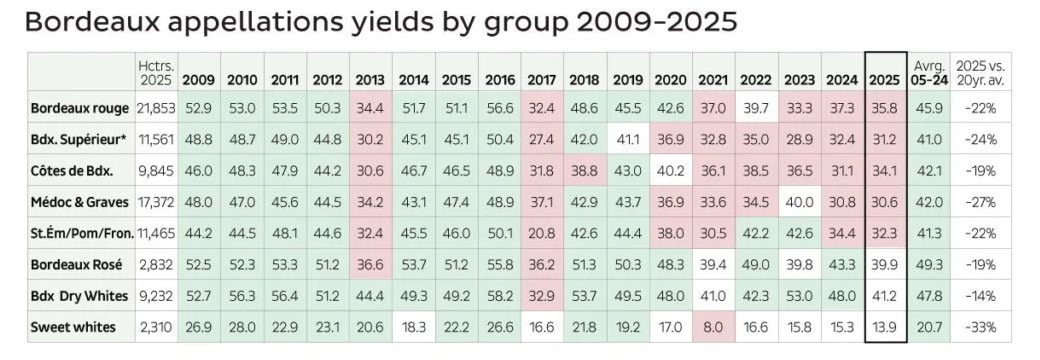
Scarcity: The Smallest Bordeaux Crop in Decades
If quality is the headline, scarcity is the subtext.
Many châteaux reported yield reductions of up to 50% versus 2024, driven by drought stress and naturally smaller berries. Trade estimates suggest this could be one of the smallest Bordeaux harvests since 1991.
For collectors, this matters. Scarcity tends to compress availability quickly, particularly when wines are also approachable early — because bottles are consumed sooner, leaving less inventory available for long-term trading.
Winecube Advisory Note
In scarcity vintages, the “value window” closes faster. The best buying decisions are often made early, before the market recognises what is truly limited.
Campaign Timing: Expect a Fast and Condensed Release Window
We anticipate a short, rapid En Primeur campaign, with releases beginning 29th April.
Many wines are likely to be released quickly in succession, with allocations potentially tightening week-by-week as demand concentrates around top-performing estates.
Winecube will provide weekly campaign updates, including:
- Pricing commentary
- Allocation guidance
- Critic score tracking
- Winecube buy / avoid recommendations
To receive real-time updates, please contact us and we will include you in our 2025 campaign list.
2025 Vintage Report: A Season of Extremes That Delivered
While producers described 2025 as “a vintage like no other,” the reality is that hot summers and drought patterns are becoming increasingly common. What truly defined 2025 was not the heat — it was the sequence of the season, and how the vines responded.
Spring: The Foundation of Success
A near-perfect spring delivered rainfall in the right quantities at the right times, followed by warm sunshine. A brief cold snap in March helped regulate vine development and set the stage for healthy growth.
The result was early optimism across the region — and a growing season that began with ideal momentum.
Summer: Heat and Concentration
Summer arrived with force. Extended heat and drought conditions placed vines under stress. In certain periods, temperatures were reported to exceed those seen in 2003.
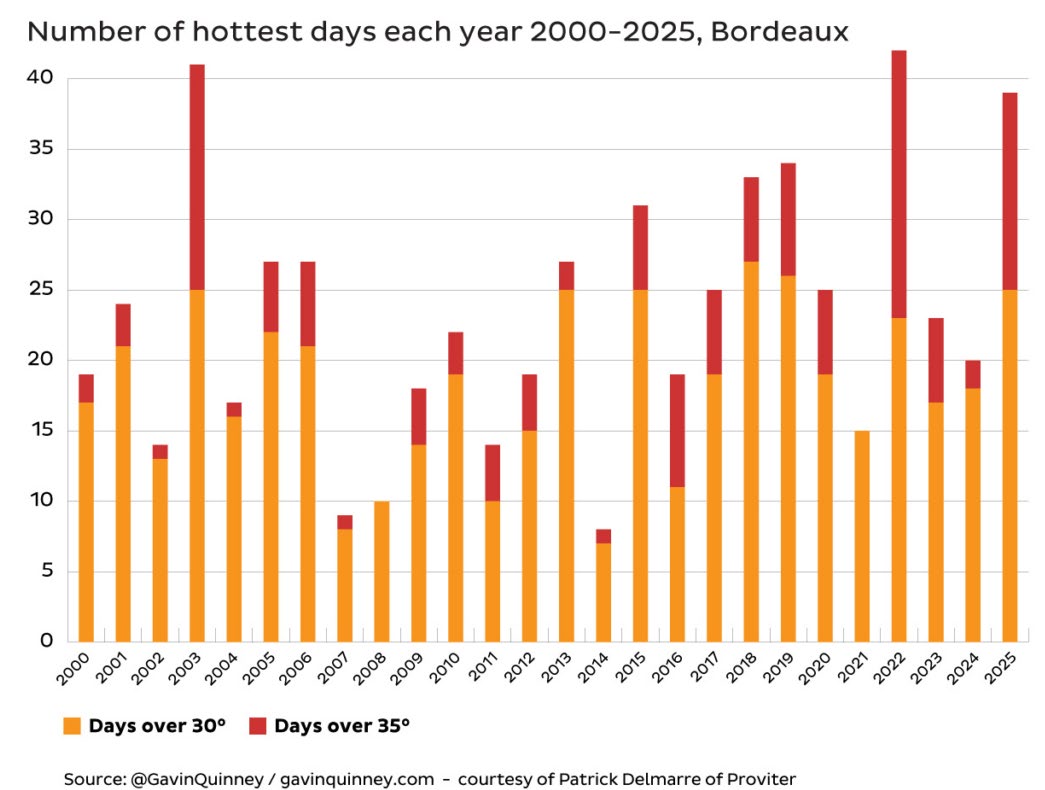
At the peak of drought, photosynthesis slowed significantly. The result was smaller berries, thicker skins and high concentration — yet without excessive sugar accumulation.
This is a key reason why alcohol levels in 2025 remain restrained despite the heat.
Diurnal Range: The Quiet Hero of 2025
One of the most important technical themes repeated by growers was the strong diurnal range: warm days combined with cooler nights.
This preserved:
- Acidity
- Aromatic definition
- Tannin finesse
- Freshness in the final wines
This is often the difference between a warm vintage that becomes heavy, and one that becomes elegant.
Late August Rainfall: Restoring Balance
Rain at the end of August brought welcome relief. Some estates felt it significantly reduced vine stress and encouraged even ripening. Others argued that the best soils had retained sufficient spring water to avoid extreme hydric stress during summer.
Either way, the result is clear in the glass: ripeness without excess.
Harvest: Early, Fast and Highly Technical
Many estates described 2025 as among their earliest harvests on record. Timing was critical.
- Dry whites were largely harvested before the end of August
- Merlot followed from late August into early September
- Cabernet Sauvignon ripened steadily and was harvested toward the end of September
Picking decisions played a decisive role in separating the best wines from the merely good.
Wine Style Summary: What Collectors Should Expect
Reds: Freshness, Precision and Early Charm
The best reds show:
- Bright fruit purity
- Polished tannins
- Excellent freshness
- A savoury saline edge
- Subtle spice and lift
Moderate alcohol levels (often 12.5–13.5%) make the wines surprisingly approachable at this early stage, yet the underlying structure and acidity will support long ageing.
This is a vintage where many wines will drink well earlier than expected, but the top performers will evolve beautifully over decades.
Dry Whites: A Breakout Success
Dry whites are a standout in 2025, combining:
- Exotic fruit expression
- Vivid aromatics
- Citrus-driven acidity
- Tension and mineral energy
Collectors who have historically overlooked Bordeaux Blanc should pay close attention. Demand for top dry whites has been rising steadily in global markets, and 2025 looks particularly strong.
Sauternes & Barsac: High Potential
Sweet wines show ripe profiles balanced by strong acidity. Conditions were supportive of botrytis development, and early tastings suggest the top estates have produced wines of excellent purity and concentration.
Appellation Perspective: Where 2025 Shines
While quality is high across the classified growths and top estates, there are notable variations by terroir and appellation.
Two factors consistently separated the best from the very good:
- Soil composition and water retention
- Harvest timing decisions
In many cases, limestone and clay subsoils — capable of retaining water — proved advantageous, making 2025 a strong expression of terroir.
Left Bank Highlights
- Margaux: refined, floral, approachable wines with seductive texture
- Pauillac: more structure and firmer tannins; long-term ageing profile
- Saint-Estèphe: excellent freshness and energy, often very complete
- Saint-Julien: quality is high, but variation between properties is notable
- Pessac-Léognan: exceptional finesse and balance; the strongest showing we have seen in the past decade of En Primeur tastings
Right Bank Highlights
- Saint-Émilion: the best terroirs delivered finely balanced wines with strong identity. Some yields were extremely low (Cheval Blanc reportedly as low as 15hl/ha), reinforcing the scarcity narrative.
- Pomerol: beautifully ripe Merlot and aromatic Cabernet Franc; wines range from very good to exceptional
Winecube Investment Outlook: Pricing Will Decide Everything
At Winecube, we advise collectors who want to build cellars that deliver both:
- Pleasure and unique drinking experience
- Long-term portfolio performance
This is the heart of Smart Passion.
From an investment perspective, the 2025 En Primeur campaign may prove as critical commercially as it is qualitatively — particularly because recent campaigns such as 2023 and 2024 did not generate broad market appetite.
The Market Context
Since 2022, the fine wine market has experienced notable price corrections. Many recent Bordeaux vintages now trade below their original release levels. Investors and collectors are rightly cautious.
A fundamental question dominates:
Why buy En Primeur if the wine can later be bought at the same or lower price?
This is why pricing discipline is critical.
However, there are positive signs:
- Liv-ex bid-to-offer ratios are at their strongest since 2022
- Demand at the top end has stabilised
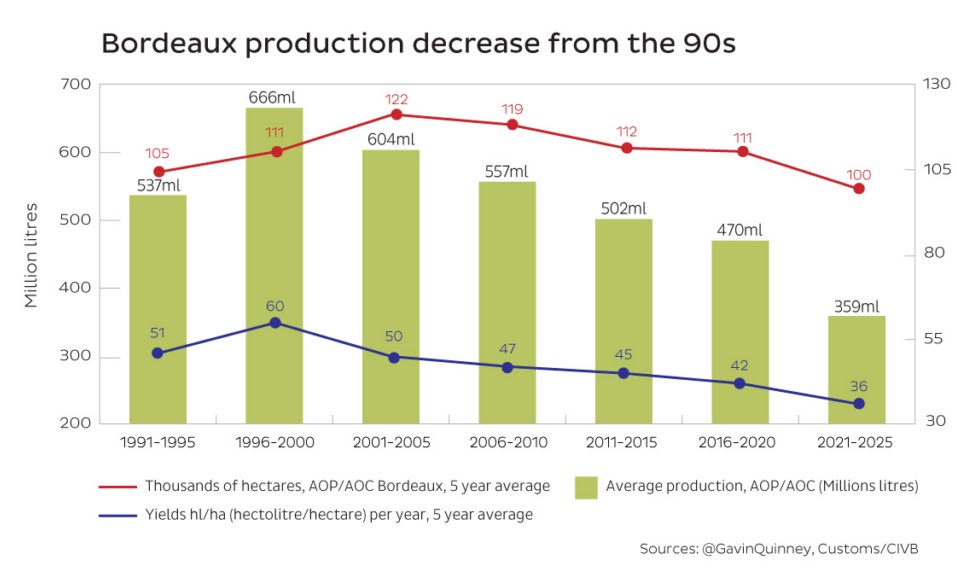
- Scarcity fundamentals in Bordeaux have been quietly strengthening as production volumes decline
2025 offers an opportunity for Bordeaux to re-engage with collectors, consumers and investors — but only if release prices create a genuine value proposition.
Anticipated Pricing Scenarios (Winecube View)
| Scenario | Probability | Winecube view |
|---|---|---|
| Scenario A: Market-Driven Reset (-10% to -20% vs 2024) | 10% | Estates look at current pricing for well-rated recent vintages such as 2016, 2019, 2020 and 2022 and release 2025 at a discount. This would create momentum for both the En Primeur campaign and the secondary market and could rejuvenate broader interest in Bordeaux. |
| Scenario B: Flat to Modest Increase (0% to +5% vs 2024) | 35% | This would generate demand for the top-scoring estates and the most liquid labels but may not fully reignite broad momentum across the entire campaign. |
| Scenario C: Scarcity Premium (+10% to +15% vs 2024) | 40% | Some estates may attempt to justify higher prices based on low yields. This may work for the most prestigious châteaux, but risks weakening the mid-tier campaign and limiting broader participation. |
| Scenario D: Overreach (+15% to +25% vs 2024) | 15% | If estates significantly raise pricing despite recent market caution, the campaign may struggle to generate momentum, even with strong critic reviews. Buyers may instead purchase back vintages already available in bottles, where pricing is clearer. |
Where We Expect the Best Value
Many second wines from First and Second Growth estates, as well as several Third and Fourth Growth châteaux, were outstanding in 2025. Even at 2024 pricing levels, they may represent excellent drinking value.
However, for true investment appeal, pricing must offer a discount to the physical market.
The good news for collectors is that Bordeaux volumes have been declining for years.
Scarcity combined with early drinkability may cause the 2025 vintage to disappear quickly from the market — accelerating future price appreciation for the best wines.
Winecube Favourite Wines Tasted En Primeur
Pauillac
Château Latour
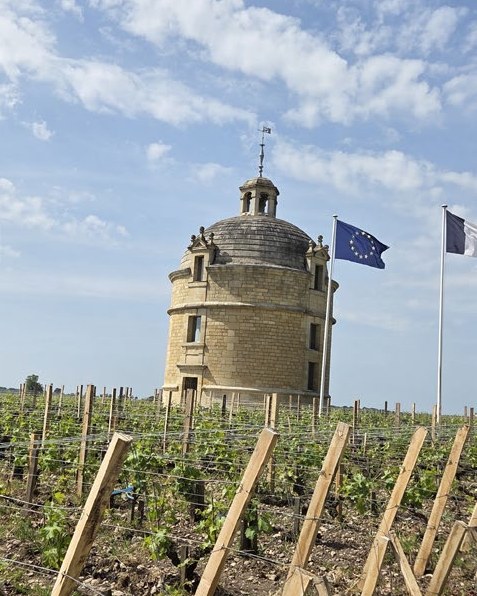
Latour sits in a category of its own. The purity, definition and mineral structure are extraordinary. Aromatics of violet and black fruits lead into a palate that is opulent yet perfectly balanced, with tannins that feel sculpted rather than extracted. The finish is long, precise and almost saline. A profound wine.
Petit Mouton de Rothschild
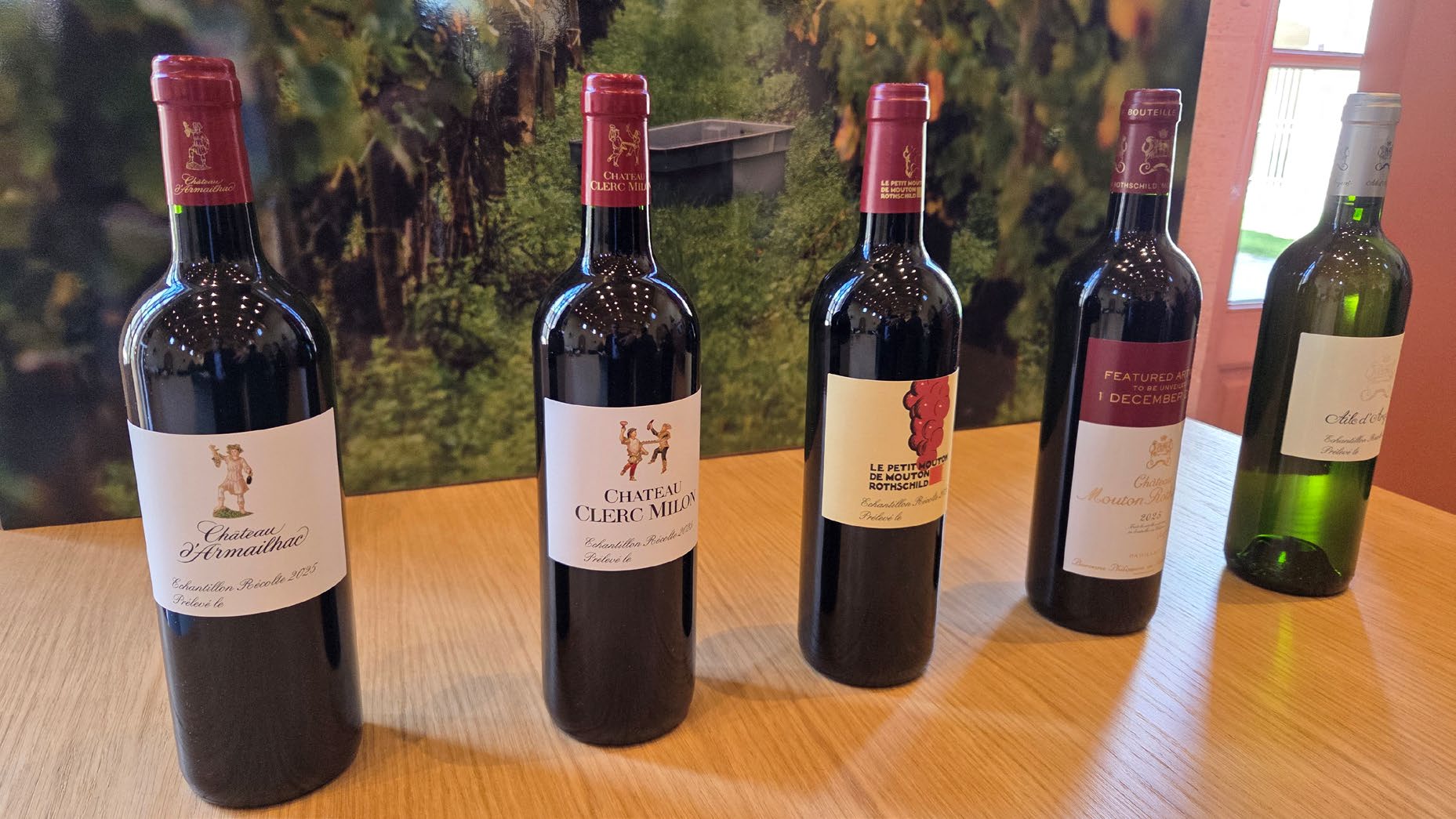
Expressive floral aromatics with immediate charm. The palate is silky and layered, moving from vibrant red fruit into darker berries. Beautiful balance and seamless tannin integration. A wine that will be hard to resist early yet has the structure to cellar well.
Margaux
Château Rauzan-Ségla
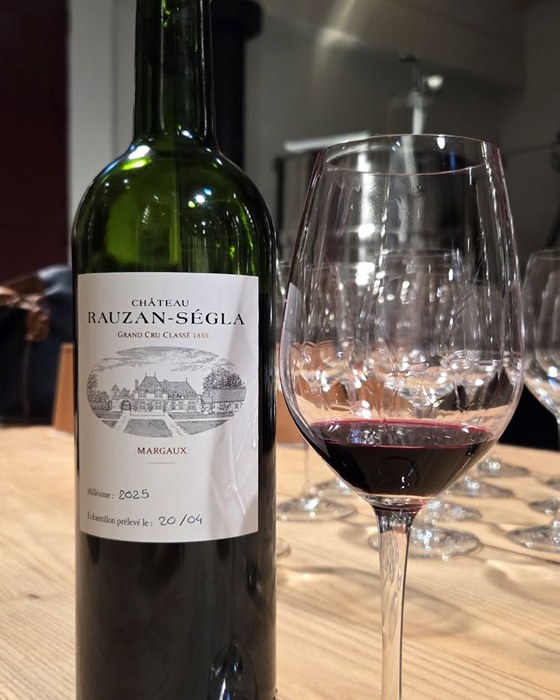
A refined and seductive Margaux. Complex nose filled with rose petal, subtle mint and polished red fruit. Generous texture, long finish, and superb harmony between fruit, tannin and acidity. A standout that should age gracefully.
Saint-Julien
Château Gruaud Larose
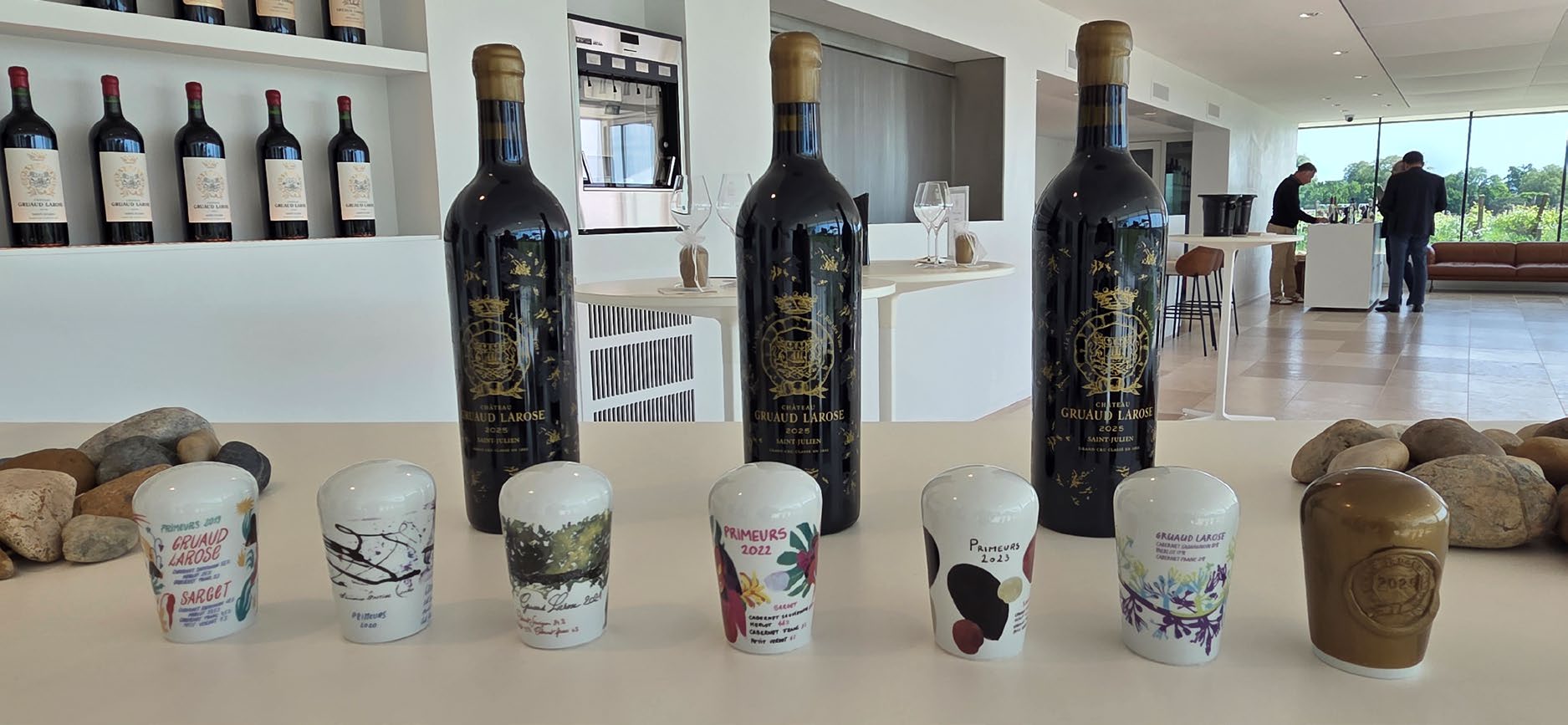
Aromatic, slightly wild and intensely expressive. Dark berries and herbal lift combine with impressive freshness and concentration. It delivers depth without heaviness and finishes long. A serious Gruaud Larose with real personality.
Saint-Estèphe
Château Montrose
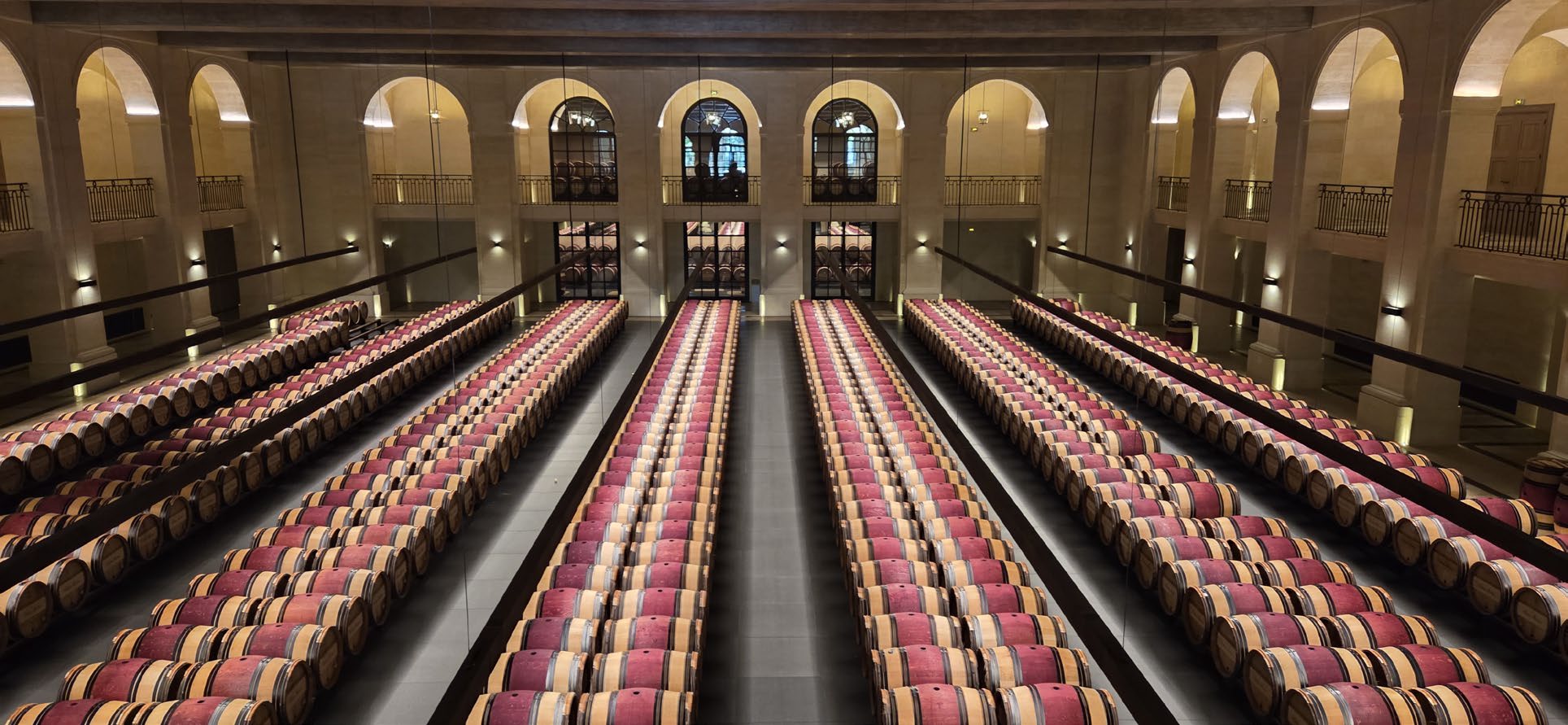
A powerful, structured Montrose built for long ageing. Black fruits, graphite and pencil lead dominate. The tannin framework is pronounced yet integrated, and the freshness is striking. This is a wine that will reward patience.
Pessac-Léognan
Château La Mission Haut-Brion
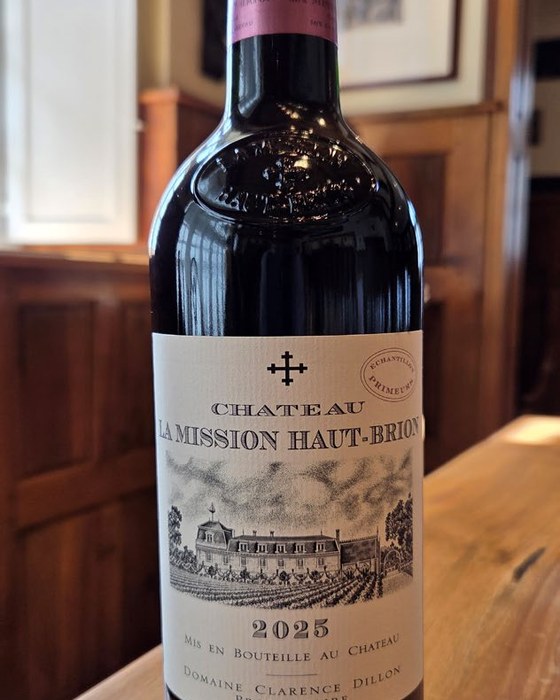
Our favorite appellation of the week, and this was the wine that stood tallest. Opulent aromatics of red fruit and eucalyptus. The palate is layered and explosive: crushed berries, spice, pepper and immense energy. With 58.3% Merlot in the blend, the wine is rich yet exceptionally vibrant. The élevage will add another dimension. A future legend in the making.
Saint-Émilion
Château Figeac
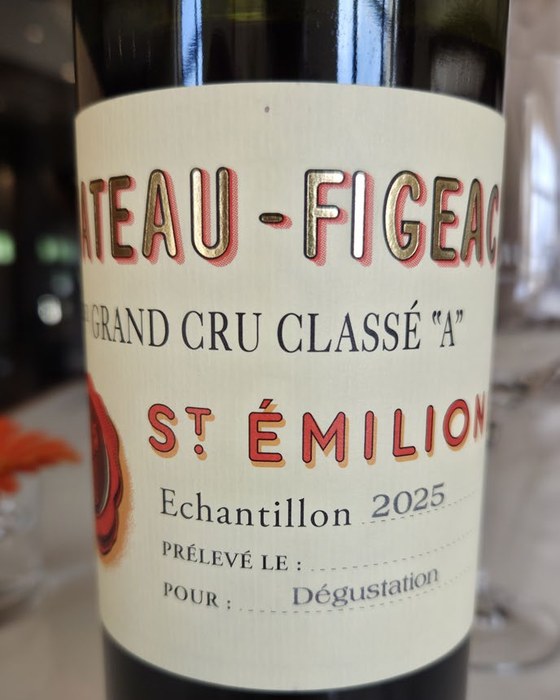
A masterclass in wine making and terroir expression. Violet, red berries and white pepper on the nose, followed by a silky palate that evolves into sweet red fruits and spice, balanced by minerality and salinity. The tannins are precise and polished, and the finish is long, savoury and layered with black fruit and peppery notes. A must-have for serious collectors.
Pomerol
Vieux Château Certan
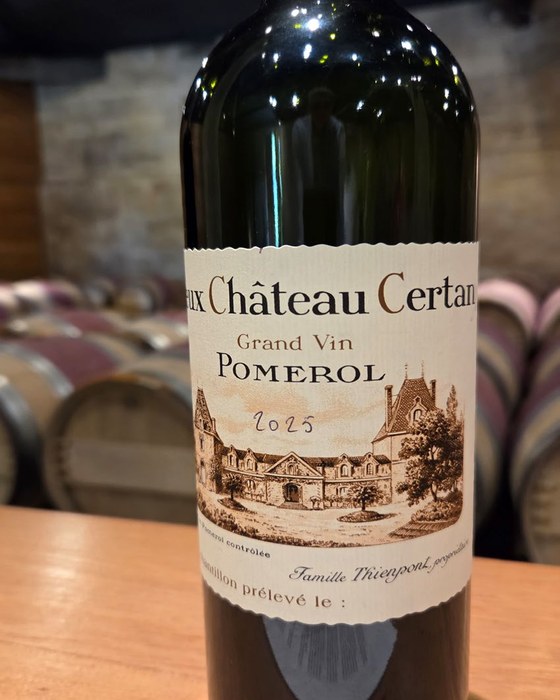
A wine of rare emotional impact. Liquorice, blackcurrant and subtle green pepper aromatics. The palate is pure, juicy and layered, with the joyful sensation of biting into sweet cherry and plum on a hot summer day. Generous and fleshy yet poised, with soft tannins and extraordinary finesse. We expect strong demand and very high scores.
Winecube Vintage Scorecard (Early Assessment)
| Category | Early assessment |
|---|---|
| Quality | ★★★★☆ |
| Scarcity | ★★★★★ |
| Early Drinkability | ★★★★★ |
| Ageing Potential | ★★★★☆ |
| Investment Appeal (depends on pricing) | ★★★☆☆ → ★★★★★ |
Final Thoughts: Why 2025 Matters
Bordeaux 2025 is not a blockbuster vintage built on raw power. It is something more compelling for today’s collector: a vintage of freshness, terroir expression, moderate alcohol and precision.
In a market increasingly focused on elegance and drinkability, 2025 feels highly relevant — and with one of the smallest crops in decades, the best wines will become scarce quickly.
For Winecube clients, this is a campaign that could deliver exceptional opportunities — but only if release prices create a true advantage versus the physical market.
This is a vintage to watch closely — and potentially to act on quickly.
Next Step: Secure Your 2025 Allocation
To receive:
- Weekly En Primeur updates
- Winecube buy / avoid recommendations
- Early release pricing alerts
- Allocation strategy tailored to your collection
Contact Winecube and express your interest today: info@wine3.com
Scarcity will define this campaign — and the best opportunities will not remain available for long.