Tuscany
Tuscany (Toscana)
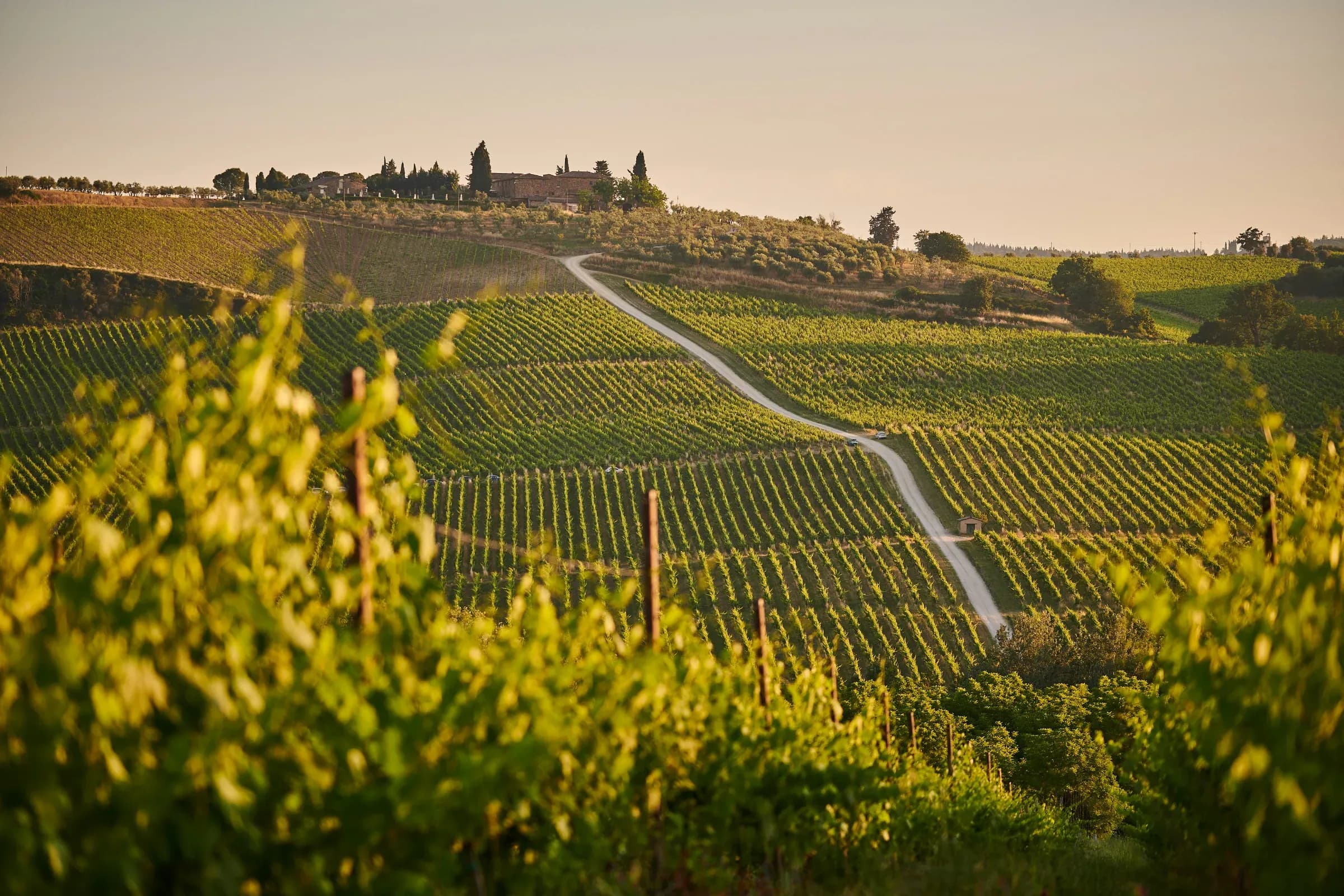
Tuscany is one of Italy’s most historically important and stylistically influential wine regions. Its identity is built above all around Sangiovese, the black grape that underpins Chianti Classico, Brunello di Montalcino, Vino Nobile di Montepulciano, and Morellino di Scansano, while the Tuscan coast—especially Bolgheri—has become a benchmark for Cabernet- and Merlot-based blends. Tuscany’s defining strengths are altitude, complex calcareous and marl-rich soils, and a long tradition of maturation that allows Sangiovese’s acidity and tannin to evolve into some of Italy’s most ageworthy wines.
1. Overview
Tuscany’s best wines sit on a broad stylistic arc. At one end are high-toned, floral, red-fruited Sangiovese wines shaped by altitude and stony hillside soils; at the other are deeper, more powerful, slower-maturing expressions from warmer sectors or from coastal Cabernet-based blends. The region’s classical core remains inland, but Tuscany is not only Sangiovese: Vernaccia di San Gimignano remains the flagship white DOCG, while Vermentino and Trebbiano-based wines broaden the picture, and Vin Santo preserves the region’s historic sweet-wine tradition.
2. Climate and terroir fundamentals
Tuscany is broadly Mediterranean in climate, but that label alone is too simple. Inland hills between roughly 250 and 600 metres preserve acidity and aromatic definition, while lower and more coastal sites tend to produce riper fruit, softer tannins, and earlier-drinking styles. Sangiovese is a late-ripening black grape, so autumn conditions are crucial: warm, dry September and October weather can be decisive for tannin maturity and balance.
Key terms
- Élevage: the maturation and handling of wine between fermentation and bottling, including vessel choice, time in wood or concrete, time on lees, racking, and oxygen exposure.
- Friable marl: a crumbly, easily broken sedimentary soil made of clay and carbonate, often with silt or sand, giving good drainage but some water retention.
- Galestro: in Tuscan wine language, galestro refers to a flaky, friable marl (often schist-like in appearance), that breaks into thin plates or shards. It is not marble. It matters because it drains well, moderates vine water supply, and is strongly associated with refined Sangiovese tannin structure, especially in Chianti Classico.
- Alberese: a hard, compact limestone frequently found in Chianti Classico and parts of Montalcino, often associated with firmer, more linear, more structural wines.
- Maremma: the broad coastal and near-coastal zone of southern and western Tuscany. Historically marshy in places, today it is a major winegrowing area with warmer, more maritime conditions than inland Chianti or Montepulciano.
Coastal Tuscany introduces a different terroir logic: in Bolgheri, gravel, sand, and loam under maritime influence make the area particularly suited to Cabernet Sauvignon, Cabernet Franc, and Merlot.
3. Core grapes
Sangiovese remains the central black grape. Its local expressions include Sangiovese Grosso in Montalcino and Prugnolo Gentile in Montepulciano. Supporting traditional black grapes include Canaiolo and Colorino, while coastal Tuscany and IGT wines draw heavily on Cabernet Sauvignon, Cabernet Franc, and Merlot. Key whites include Vernaccia di San Gimignano, Vermentino, and the Trebbiano/Malvasia pair traditionally used in Vin Santo.
4. Tuscany PDO quick-reference table (altitude, climate, precipitation, challenges)
Rainfall figures below are broad, region-level averages; site variation is significant (altitude, exposure, and vintage conditions can override averages).
| PDO | Core grapes / legal focus | Typical altitude | Climate headline | Typical annual rainfall | Soil signal | Unique viticultural challenges | Core style outcome |
|---|---|---|---|---|---|---|---|
| Chianti Classico DOCG | Sangiovese-led (min 80%); no white grapes | ~200–750 m | Inland Mediterranean with continental swings; strong diurnal range | ~800–900 mm | Galestro (friable marl), Alberese (limestone), some sandstone/clays | Late Sangiovese harvest + autumn rain risk; drought/heat spikes; sunburn on exposed fruit; managing Sangiovese’s seed tannin ripeness | High-acid, firm-tannin Sangiovese with cherry/violet/herbal lift; terroir differences amplified (UGA in top tier) |
| Brunello di Montalcino DOCG | 100% Sangiovese (Grosso) | ~120–600 m | Warm, relatively dry for Tuscany; strong slope/exposure effects | ~700 mm | Mixed marl/limestone/clay; wide mesoclimate differences | Ripeness vs freshness balance (north vs south); drought stress; sunburn; autumn rain pressure | Powerful, structured Sangiovese with long ageing curve; dried cherry/leather/tobacco complexity |
| Vino Nobile di Montepulciano DOCG | Sangiovese (Prugnolo Gentile) min 70% | ~250–600 m | Inland, warm-moderate; cooler nights at altitude | ~650–750 mm | Clay/loam with calcareous elements; mixed hillsides | Managing vigour and mid-palate weight; late-season rain; keeping aromatic definition while ripening tannin | Polished Sangiovese: ripe cherry/plum, savoury spice, firm but smoother tannins |
| Morellino di Scansano DOCG | Sangiovese (Morellino) min 85% | ~50–500 m | Warm Mediterranean maritime; sea breezes | ~600–800 mm | Marine sediments; sands/clays/limestone mixes | Coastal humidity + fungal pressure; ripeness management to avoid flat wines; sunburn | Riper, softer Sangiovese; earlier approachability; red fruit + Mediterranean herbs |
| Bolgheri DOC / Bolgheri Rosso Superiore | Cabernet Sauvignon/Cabernet Franc/Merlot (flexible) | ~10–380 m | Maritime Mediterranean; moderated heat | ~500–600 mm | Gravel/sand/loam; some clay-limestone pockets | Heat spikes + drought; managing Cabernet ripeness without high pH; mildew pressure in humid years | Structured, polished Bordeaux-style reds; cassis/cedar/spice; Cabernet Franc adds perfume/line |
| Vernaccia di San Gimignano DOCG | Vernaccia | ~64–630 m (many sites ~200–400 m) | Temperate sub-Mediterranean; good ventilation | ~600–700 mm | Sandstone/yellow sands + sandy clays | Oxidation management; balancing freshness with texture; drought in exposed years | Citrus/pear/almond with saline/stony edge; texture from lees/neutral wood |
| Carmignano DOCG | Sangiovese with Cabernet permitted | ~100–400 m | Warm-moderate; inland but not high-altitude | ~650–800 mm | Limestone/clay mixes | Achieving Cabernet phenolic ripeness without losing Sangiovese lift; balancing oak | Structured reds combining Sangiovese acidity with Cabernet frame |
5. Key appellations and regulatory anchor points.
5.1 Chianti Classico DOCG
Chianti Classico is the most historically resonant Sangiovese appellation in Tuscany and increasingly the most terroir-focused. Current rules require a minimum of 80% Sangiovese, prohibit white grapes, and cap yield at 7,500 kg/ha.
The standard Annata tier—the ordinary vintage-dated release level—requires a minimum of 12 months of ageing. Riserva requires 24 months, including at least 3 months in bottle. Gran Selezione requires 30 months minimum and may indicate one of the official UGAs (Unità Geografiche Aggiuntive) on the label (UGA labelling applies to Gran Selezione).
In style, Chianti Classico is usually defined by sour cherry, violet, dried herbs, high acidity, and firm but increasingly refined tannins. The modern movement has been away from heavily oak-shaped “international” wines and toward larger casks, concrete, amphora in some cases, and more transparent expressions of site.
5.2 Brunello di Montalcino DOCG
Brunello di Montalcino is 100% Sangiovese and remains one of Italy’s benchmark long-ageing reds. Official release timing is long: ageing includes at least 2 years in wood plus bottle ageing, with earliest release on January 1 of the fifth year after harvest; Riserva releases on January 1 of the sixth year after harvest after longer bottle ageing.
Montalcino’s terroir is unusually variable for a relatively compact denomination. Higher and cooler northern sectors tend to yield more perfumed, tighter, more acid-driven wines, while southern sectors are generally warmer and more powerful. Brunello’s mature profile often moves toward dried cherry, leather, tobacco, balsam, forest floor, and savoury spice.
5.3 Vino Nobile di Montepulciano DOCG
Vino Nobile must contain a minimum of 70% Sangiovese (Prugnolo Gentile) and has a maximum yield of 8,000 kg/ha. The normal wine requires at least 2 years of maturation from January 1 after the harvest; Riserva requires 3 years, including bottle ageing.
A major recent development is the new Pieve category, which formalises a more site-specific top tier. Published rules indicate minimum 85% Sangiovese, maximum yield 7,000 kg/ha, and at least 3 years of ageing with minimum wood and bottle periods.
Stylistically, Vino Nobile often sits between Chianti Classico and Brunello: broader and slightly softer than Chianti Classico, but less massive than Brunello, with ripe cherry and plum fruit, savoury spice, and polished tannins.
5.4 Morellino di Scansano DOCG
Morellino di Scansano requires minimum 85% Sangiovese (Morellino). It is a warm coastal-Maremma expression and tends to show riper fruit, softer tannins, and earlier approachability than the inland DOCGs.
5.5 Bolgheri DOC and Bolgheri Rosso Superiore
Bolgheri reds are generally based on Cabernet Sauvignon and/or Cabernet Franc with Merlot, often with smaller additions of Syrah and Petit Verdot. The official rules allow very flexible proportions for the core Bordeaux varieties.
Yield limits are set in kg/ha: 9,000 kg/ha for Bolgheri Rosso and 8,000 kg/ha for Bolgheri Rosso Superiore. Rosso Superiore requires 2 years total ageing, including 1 year in barrel.
For an approximate wine-volume equivalent: using a typical dry red conversion of about 0.65–0.70 L of finished wine per kg of grapes, these grape ceilings translate roughly to:
- 9,000 kg/ha → ~58–63 hl/ha (approximate)
- 8,000 kg/ha → ~52–56 hl/ha (approximate)
Bolgheri’s style is rooted in maritime moderation and gravelly soils: cassis, cedar/spice, firm tannins, and a polished, international texture compared with inland Tuscany.
5.6 Vernaccia di San Gimignano DOCG
Vernaccia is Tuscany’s flagship white DOCG. Riserva requires extended ageing (11 months from January 1 after harvest plus 3 months in bottle). The disciplinare also specifies a maximum grape-to-wine conversion of 70% for the denomination.
In style, Vernaccia typically shows citrus, orchard fruit, almond, and a saline or stony edge; the best examples gain texture through lees work and, occasionally, large neutral wood.
6. Tuscany key grape quick-reference table
This is a “distilled memory” table.
| Grape | Colour | Budding / ripening | Skin / tannin | Vigour & yield behaviour | Preferred soils | Key hazards | Winemaking levers | Typical Tuscan profile |
|---|---|---|---|---|---|---|---|---|
| Sangiovese (incl. Grosso; Prugnolo Gentile) | Black | Early bud; late ripening | Thin–medium skins; high seed phenolics | Moderate vigour; quality improves sharply with yield control | Galestro, alberese, mixed hillsides | Uneven ripening; autumn rain; drought/heat spikes; sunburn | Gentle extraction; careful press timing; botti vs barrique; parcel separation | Sour cherry/cherry skin, violet, herbs; high acidity; firm tannin; ageworthy |
| Canaiolo | Black | Mid-season | Softer tannin | Moderate; can be generous | Clay/marl | Rot in humid years | Softening blend component | Red fruit, softer edges; supportive |
| Colorino | Black | Late | Thick skins; high colour | Low–moderate yields | Warm sites, heavier soils | Hard tannin if pushed | Small % for colour/tannin | Darker colour, added grip |
| Cabernet Sauvignon | Black | Late | Thick skins; firm tannin | Moderate; canopy control needed | Gravel/sand/loam; some clay-limestone | Green tannin in cooler sectors; drought stress; high pH if overripe | Bordeaux extraction; barrique/tonneaux | Cassis, cedar, graphite; structured coastal blends |
| Merlot | Black | Early–mid | Medium skins; plush tannin | Vigorous on rich soils; needs yield control | Clay-limestone, deeper soils | Overripeness; softness in heat | Oak integration; blending for volume | Plum, cocoa; mid-palate flesh |
| Cabernet Franc | Black | Mid; earlier than Cab Sauv | Thin–medium skins; fine tannin | Moderate; strong site sensitivity | Gravel + clay-limestone | Green/herbal notes if shaded | Partial whole cluster possible; careful pick timing | Red fruit, violet; aromatic line in blends |
| Vernaccia | White | Mid | Medium skin | Moderate | Sandstone/yellow sands + sandy clays | Oxidation risk; drought in exposed years | Lees ageing; neutral wood | Citrus/pear/almond; saline finish; some ageability |
| Vermentino | White | Mid–late | Medium skin | Moderate | Coastal sands/loams | Sunburn; aroma loss in heat | Reductive handling; brief lees | Citrus peel, herbs; Mediterranean salinity |
| Trebbiano Toscano | White | Late | Thin skin; neutral | High yield potential; must be restricted | Fertile valleys/hills | Rot, dilution | Base for Vin Santo; oxidative élevage | Neutral base; develops nutty oxidative notes |
| Malvasia (Vin Santo component) | White | Mid | Thin skin; aromatic | Moderate | Warm sites | Rot | Drying + oxidative ageing in caratelli | Raisin, honey, nuts (Vin Santo context) |
7. Winemaking approaches across Tuscany
Sangiovese requires careful handling because its tannin quality depends on ripeness and extraction management. Many producers now favour precision harvesting by parcel and aspect, moderate extraction rather than maximal maceration, larger oak casks or neutral vessels for transparency, and reduced new oak compared with the 1990s/2000s.
Tuscan sweet-wine traditions remain important. Vin Santo is still made by drying Trebbiano and Malvasia grapes, fermenting slowly, and ageing oxidatively in small caratelli casks.
8. Viticultural challenges
Across Tuscany, the main viticultural issues are drought and heat stress; uneven ripening in Sangiovese, especially where crop load is high; sunburn risk on exposed fruit; autumn rain pressure during late Sangiovese harvests; and mildew/humidity in warmer coastal sectors such as Maremma.
9. Summary
Tuscany remains a Sangiovese-led region of altitude, soil complexity, and maturation tradition. Chianti Classico is increasingly terroir-specific through UGA and stricter top-tier positioning; Brunello is the benchmark for long-lived 100% Sangiovese; Vino Nobile is sharpening hierarchy through Pieve; and Bolgheri defines Tuscany’s great coastal Cabernet-based wines. Together, these zones make Tuscany one of Italy’s most complete fine-wine regions.
Check your knowledge
Expert quiz