Cabernet Franc
Cabernet Franc
Cabernet Franc is a black grape known for two global roles: (1) a key blending component in Bordeaux (especially Right Bank) and (2) a leading varietal black grape in the Loire Valley. It typically shows red-fruited aromatics (raspberry, red cherry), floral notes (violet), and an herbal spectrum that ranges from fresh leafy tones to bell pepper if under-ripe. It commonly ripens earlier than Cabernet Sauvignon, making it valuable in cooler or more marginal sites.
At its best, Cabernet Franc produces wines that are site-transparent, medium-bodied, and ageworthy without relying on sheer power.
1. Identity and synonyms
Cabernet Franc is one of the parent grapes of Cabernet Sauvignon (via Sauvignon Blanc) and is also a parent of several major Bordeaux varieties.
In the Loire, it is often called Breton in traditional usage.
2. Grape characteristics
| Parameter | Cabernet Franc |
|---|---|
| Colour | Black |
| Budding | Early (spring frost sensitivity) |
| Ripening | Mid-season; typically earlier than Cabernet Sauvignon |
| Vigour | Moderate to high; needs yield control for concentration |
| Skin thickness | Thin to medium (site-dependent) |
| Tannin | Medium; can be fine-grained; stems can add grip in whole-cluster ferments |
| Acid | Medium to medium-high in cool sites; drops quickly in hot seasons |
| Aromatic markers | Raspberry/red cherry, violet; herbaceous notes increase with shade/under-ripeness |
| Key hazards | Coulure in cool/wet flowering; botrytis risk with compact canopies; green/pyrazine expression if under-ripe |
| Soil affinity | Strong results on clay-limestone and marl/limestone slopes; brighter, lighter wines on gravel/sand terraces |
3. Soils and site preferences
Cabernet Franc is highly sensitive to soil water balance and canopy light exposure:
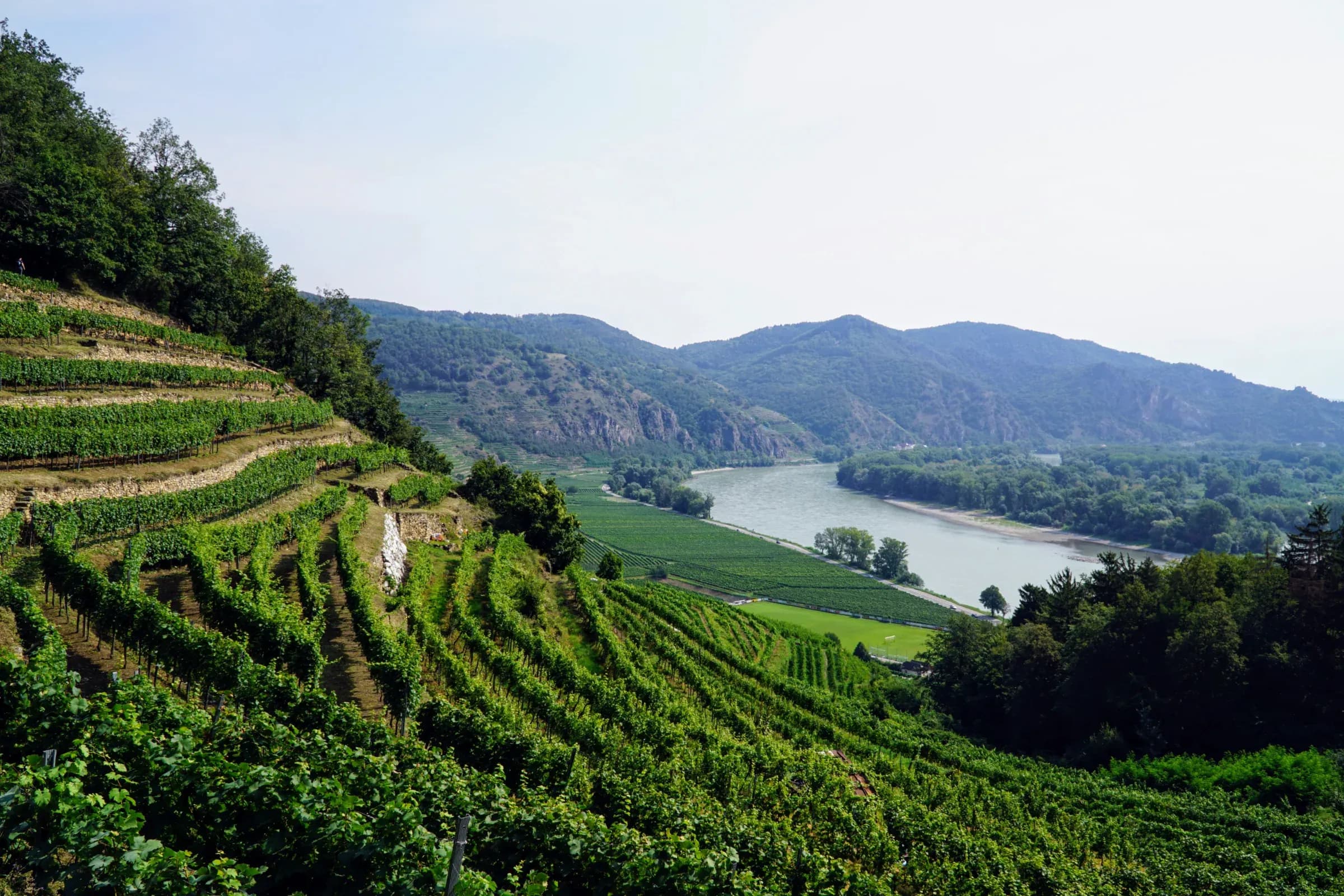
- Clay-limestone / limestone slopes: most complete structure and aromatic definition; firm tannin with retained acidity.
- Gravel and sand terraces: earlier-drinking wines with lighter body and more immediate fruit.
- Warm, drought-prone sites: risk of ripening shutdown and hard phenolics if stress is severe.
Practical takeaway: Cabernet Franc performs best when it can reach full flavour ripeness without heat stress and without excessive vigour (which would shade fruit and preserve green characters).
4. Where it is permitted and where it is dominant
Loire Valley (dominant or near-dominant)
Cabernet Franc is the signature black grape in:
- Chinon AOC (dominant; Cabernet Sauvignon permitted in limited proportion)
- Bourgueil AOC (dominant; Cabernet Sauvignon permitted)
- Saint-Nicolas-de-Bourgueil AOC (dominant; Cabernet Sauvignon permitted)
- Saumur-Champigny AOC (Cabernet Franc dominant; small proportions of other varieties permitted)
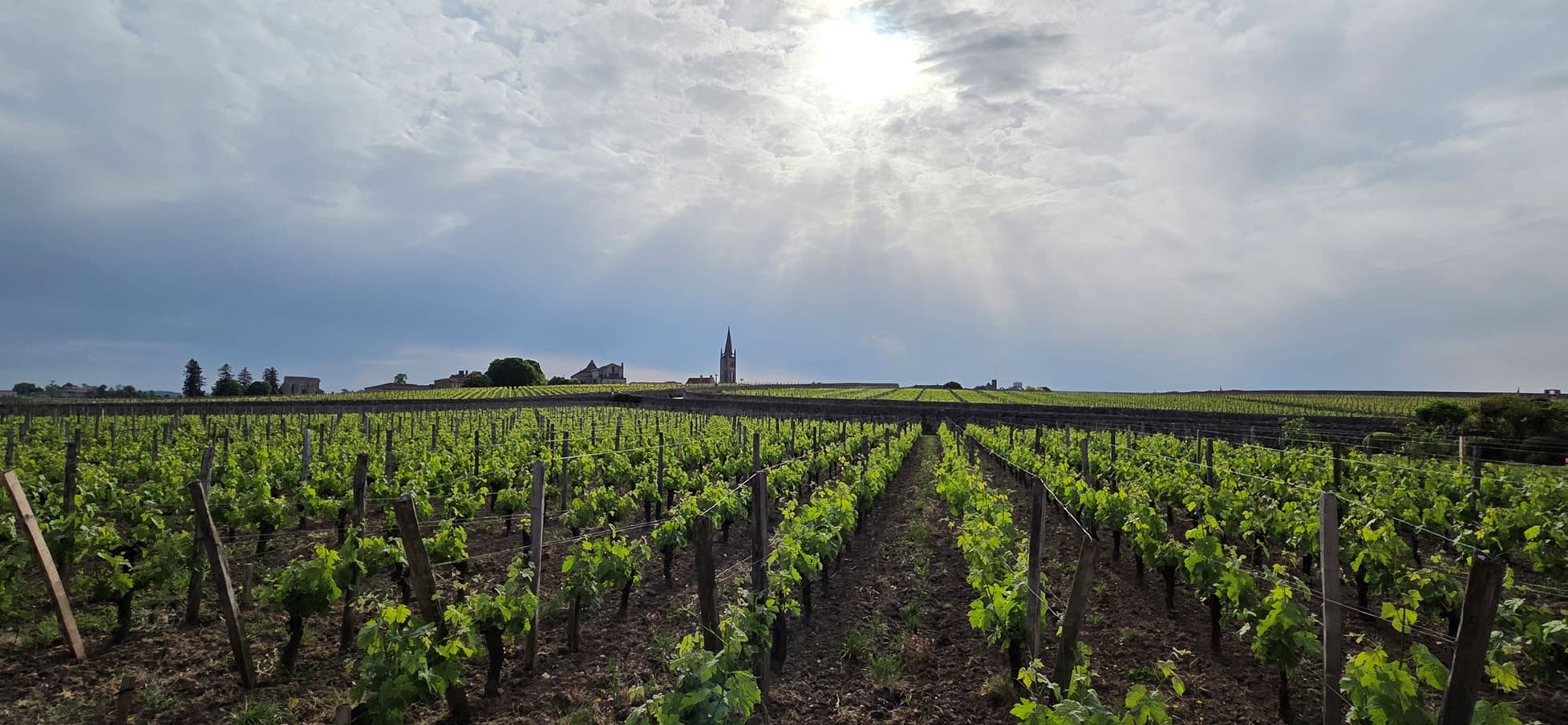
Bordeaux (permitted broadly; dominant mainly on the Right Bank)
Cabernet Franc is widely permitted across Bordeaux and is especially important in:
- Saint-Émilion (major blending component alongside Merlot)
- Pomerol (often a meaningful supporting variety to Merlot)
Italy (important in specific coastal blends)
- Bolgheri DOC: Cabernet Franc is a key permitted grape and an important component in many blends; varietal bottlings also exist.
North America (AVA systems do not regulate varieties the same way)
Cabernet Franc is widely planted and often successful in cooler or humid regions where Cabernet Sauvignon can struggle to ripen reliably, notably parts of:
- New York (Finger Lakes / Long Island)
- Virginia
- Ontario
5. Yield ranges (approximate, region-focused)
Legal maxima and practical targets vary by appellation and producer intent. The following figures are useful anchors:
Loire AOCs
- Legal maxima in key Cabernet Franc AOCs are commonly in the mid-50s hl/ha range (by appellation).
- Documented average yields where published in serious zones often sit in the low-40s hl/ha, reflecting quality-focused cropping.
- Premium cuvées frequently target ~30–45 hl/ha depending on site and season.
Bordeaux (Right Bank)
- Some Right Bank appellations operate with lower legal maxima than many Loire AOCs (often around the low-40s hl/ha in stricter zones).
- Estate practice for top cuvées commonly targets ~30–45 hl/ha, depending on vintage and terroir.
New World benchmarks (typical practice)
- Quality-focused Cabernet Franc producers often aim for ~35–55 hl/ha (site and water availability dependent), with lower yields for reserve-level wines.
6. Viticulture: canopy, hazards, and rootstocks
Canopy and ripeness management
Cabernet Franc’s quality hinges on managing the line between fresh herb and under-ripe green:
- Shaded fruit and under-ripeness increase herbaceous/pyrazine perception.
- Crop thinning and leaf removal timing are decisive.
- Early budbreak elevates spring frost risk.
Disease pressure
- In humid climates, tight canopies increase botrytis risk; airflow and spray timing matter.
- In Atlantic climates, wind exposure and drainage are important to secure healthy harvests.
Rootstocks (practical framework)
Rootstock choice is primarily about:
- controlling vigour (avoid shading and dilution),
- matching drought tolerance (avoid ripening shutdown),
- matching lime tolerance (calcareous soils),
- and sometimes delaying budbreak in frost-risk sites.
Exact choices are estate- and site-specific; the key is matching vine balance and water relations to Cabernet Franc’s need for light exposure and full flavour ripeness.
7. Winemaking: techniques and style control
Fermentation and extraction
Cabernet Franc can turn angular if extracted hard in borderline ripeness years. Common approaches include:
- gentle cap management,
- press decisions based on seed tannin maturity,
- partial whole-cluster use for aromatic lift (only when stems are lignified).
Oak and élevage
- Loire often favours stainless or older/larger oak for line and transparency.
- Bordeaux-style expressions use barriques/tonneaux for structure integration.
Blending role
Cabernet Franc is used to:
- increase aromatic lift (violet/graphite),
- refine tannin shape,
- add freshness and length,
- counterbalance Merlot’s plush mid-palate.
8. Style spectrum
Loire varietal Cabernet Franc
Medium-bodied; red fruit, violet, graphite, fresh herb; medium tannin and medium-high acidity. Clay-limestone sites often yield the most ageworthy examples.
Right Bank blending component
Aromatic spine and definition in Merlot-led blends; adds freshness and finesse.
Coastal Italian blend component (Bolgheri)
Adds perfume and line to Cabernet/Merlot blends; can appear as varietal bottlings.
Cool-climate New World varietal
Often a “Cabernet alternative” where Cabernet Sauvignon is less reliable; fresh red fruit and savoury structure.
9. Summary
Cabernet Franc is a versatile, terroir-expressive black grape that thrives when it reaches full flavour ripeness without heat stress or canopy shade. It is dominant in several Loire appellations (Chinon, Bourgueil, Saint-Nicolas-de-Bourgueil, Saumur-Champigny) and is essential in Right Bank Bordeaux blends, with important roles in coastal Tuscany (Bolgheri) and cool-climate North America.
Check your knowledge
Expert quiz