Tuscany
Tuscany (Toscana)
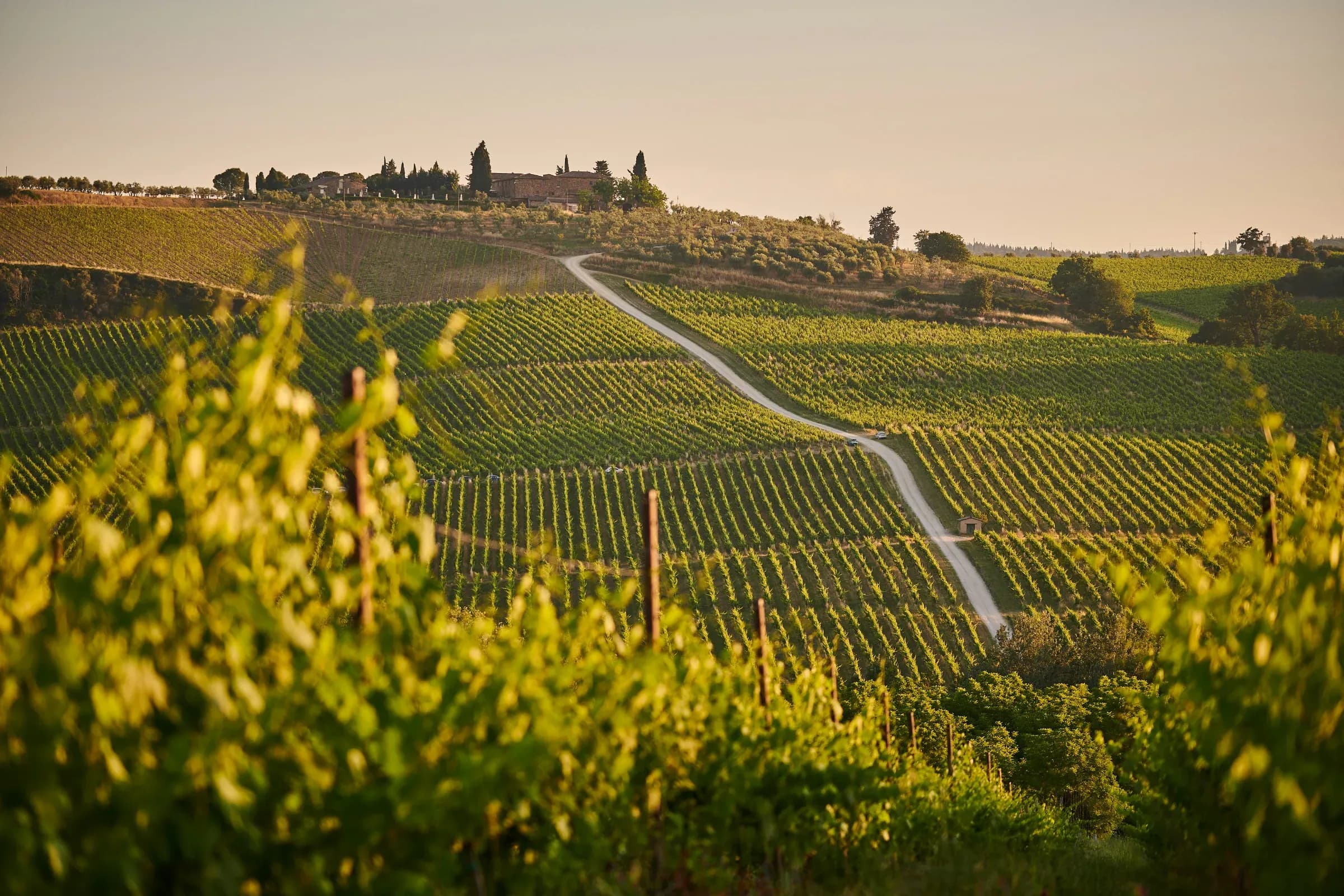
Tuscany is one of Italy’s most important wine regions. It is best known for Sangiovese, a black grape that produces many of the region’s famous red wines, and for coastal wines based on Cabernet and Merlot. Tuscany can make elegant, high-acid reds from inland hills and richer wines from warmer or coastal areas.
How to think about Tuscany
Tuscany has several core zones that shape its main styles:
- Chianti Classico: the classic inland Sangiovese style, often bright and structured.
- Brunello di Montalcino: powerful, long-aged 100% Sangiovese.
- Vino Nobile di Montepulciano: Sangiovese-based wine that is usually polished and slightly softer than Chianti Classico.
- Morellino di Scansano: a warmer coastal Sangiovese style that is generally riper and easier to drink young.
- Bolgheri: coastal blends based on Cabernet Sauvignon, Cabernet Franc, and Merlot.
- Vernaccia di San Gimignano: Tuscany’s best-known white DOCG.
Climate and soils (why the wines taste different)
Inland hills between roughly 250 and 600 metres tend to preserve acidity and aromatic lift, while lower and coastal sites ripen fruit more quickly. Soils matter a lot for Sangiovese:
- Galestro (crumbly marl) and Alberese (hard limestone) are strongly associated with high-quality inland Sangiovese.
- Coastal Bolgheri has gravelly and sandy soils that suit Cabernet and Merlot.
Key grapes
Sangiovese is the core grape for most famous Tuscan reds. It typically shows sour cherry, herbal notes, high acidity, and firm tannins, and it is sensitive to harvest timing because it ripens late.
Supporting local grapes include Canaiolo and Colorino, while Cabernet Sauvignon, Cabernet Franc, and Merlot are important in coastal blends.
Key whites include Vernaccia, coastal Vermentino, and Trebbiano/Malvasia used for Vin Santo.
Winemaking style differences
- Chianti Classico has moved toward more site transparency and less obvious new oak.
- Brunello is defined by long maturation and a slow ageing curve.
- Bolgheri often uses French oak and a Bordeaux-style approach to structure and polish.
- Vernaccia can be crisp and mineral, and higher-quality examples may use lees ageing for texture.
Summary
Tuscany is defined by Sangiovese grown on inland hills and by Cabernet/Merlot blends on the coast. The region’s soils, altitude, and long traditions of ageing create some of Italy’s most recognisable and ageworthy wines.
Check your knowledge
Enthusiast quiz